Category Archives: Judi Pacuan Kuda

Panduan Lengkap Bermain di Agen Resmi Balap Kuda Online Indonesia: Tips dan Strategi untuk Pemain Pemula

Agen resmi balap kuda online di Indonesia menawarkan pengalaman yang menarik bagi para penggemar olahraga ini. Dengan panduan lengkap, pemain dapat memahami cara bermain dengan baik dan memaksimalkan peluang mereka untuk menang. Memasuki dunia balap kuda bisa membingungkan, terutama bagi pemula, namun dengan informasi yang tepat, setiap orang dapat menavigasi platform ini dengan percaya diri.

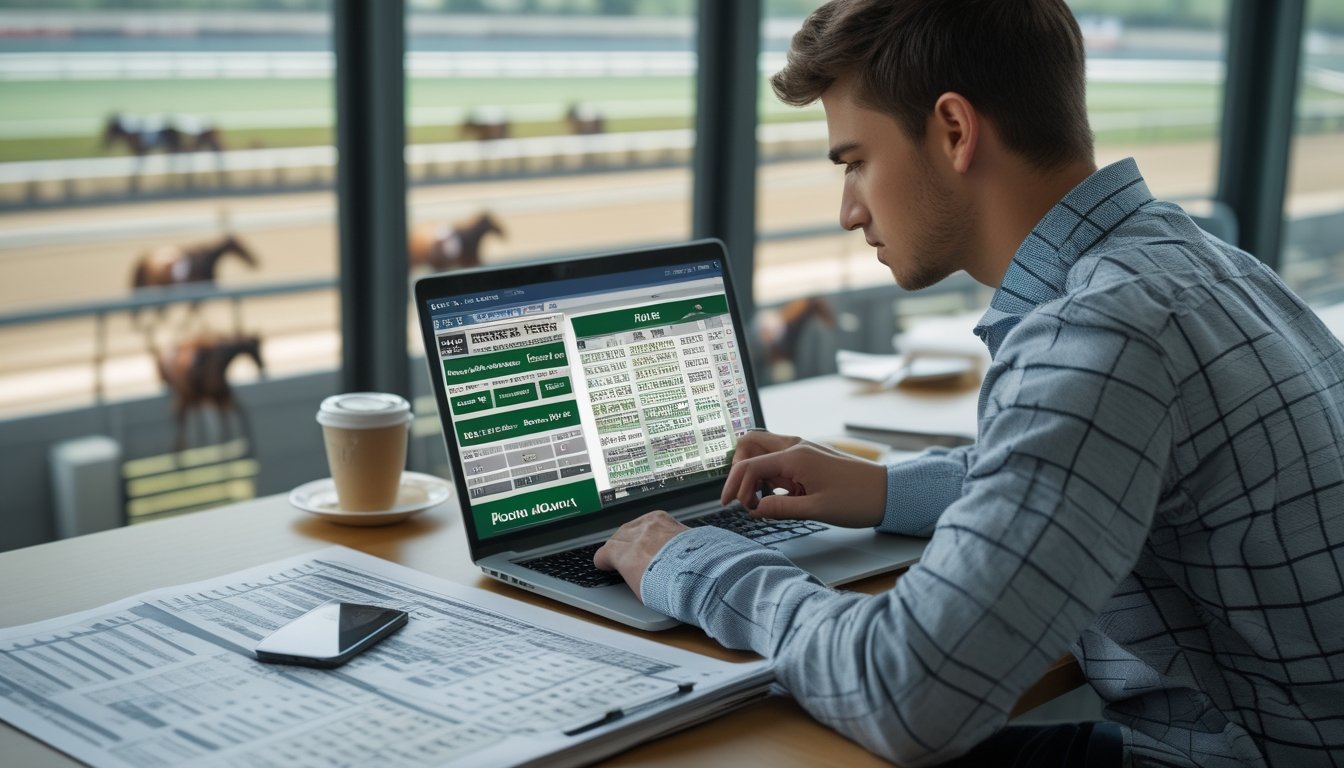
Seorang pria menggunakan laptop dengan layar menampilkan taruhan balap kuda online, dikelilingi oleh barang-barang terkait balap kuda di meja kerja.

Dalam artikel ini, pembaca akan menemukan tips praktis, strategi taruhan yang efektif, dan penjelasan tentang berbagai jenis taruhan yang tersedia. Mengetahui bagaimana cara memilih agen yang tepat juga akan menjadi fokus penting, karena hal ini berdampak langsung pada pengalaman dan keamanan bermain.

Tidakkah Anda ingin mengetahui cara memaksimalkan pengalaman balap kuda online? Dengan informasi yang tepat, setiap orang bisa menjadi pemain yang lebih baik.

Cara Memilih Agen Resmi Balap Kuda Online Indonesia

Seorang pengguna sedang menggunakan laptop untuk memasang taruhan balap kuda online di meja kerja dengan bendera Indonesia kecil di samping.

Memilih agen resmi untuk bermain balap kuda online di Indonesia memerlukan pertimbangan yang matang. Ada beberapa kriteria penting yang harus diperhatikan agar pengalaman bermain menjadi aman dan menyenangkan.

Kriteria Agen Resmi dan Terpercaya

Agen resmi harus memenuhi beberapa kriteria untuk dianggap terpercaya. Pertama, mereka seharusnya memiliki umur yang tidak terlalu pendek di industri. Sebuah agen yang telah beroperasi selama beberapa tahun biasanya lebih stabil dan profesional.

Kedua, agen tersebut harus memiliki hubungan baik dengan penyedia layanan balap. Ini mengindikasikan bahwa mereka bekerja sama dengan pihak yang sudah diakui. Selain itu, mereka juga wajib menawarkan sistem layanan pelanggan yang responsif. Pastikan agen menyediakan berbagai saluran komunikasi, seperti chat langsung atau telepon, untuk menangani pertanyaan dan masalah.

Mengidentifikasi Lisensi dan Reputasi

Lisensi merupakan aspek krusial dalam memilih agen. Agen yang terpercaya akan memiliki lisensi resmi dari otoritas yang diakui. Lisensi ini menunjukkan bahwa agen mengikuti regulasi yang ada dan beroperasi secara legal.

Reputasi agen juga bisa ditentukan melalui ulasan dan testimoni dari pengguna lainnya. Mencari informasi di forum atau situs review dapat memberikan gambaran lebih jelas mengenai pengalaman pemain lain. Pastikan juga untuk memperhatikan feedback negatif, yang bisa menjadi indikasi masalah serius.

Perlindungan Data dan Keamanan Transaksi

Keamanan data sangat penting saat bermain di agen online. Pastikan agen menggunakan teknologi enkripsi untuk melindungi informasi pribadi dan finansial pemain. Ini meliputi data seperti nama, alamat, dan detail kartu kredit.

Agen yang baik juga menerapkan metode pembayaran yang aman dan diakui secara internasional. Pemain harus selalu merasa aman saat melakukan deposit dan penarikan. Memilih agen yang menawarkan berbagai opsi transaksi, seperti e-wallet atau transfer bank, dapat menambah kenyamanan dalam bermain.

Panduan Registrasi dan Verifikasi Akun Balap Kuda Online

Proses registrasi dan verifikasi akun di agen resmi balap kuda online Indonesia merupakan langkah awal yang penting untuk memulai pengalaman taruhan. Pembaca perlu memahami prosedur ini agar dapat melakukan pendaftaran dengan lancar dan memenuhi semua persyaratan yang ditetapkan.

Langkah-langkah Membuat Akun

Untuk membuat akun di situs balap kuda online, langkah pertama adalah mengunjungi situs resmi agen. Setelah itu, pengguna harus mencari tombol pendaftaran, biasanya terletak di halaman utama. Setelah mengklik tombol tersebut, formulir pendaftaran akan muncul.

Formulir ini umumnya memerlukan informasi berikut:

  • Nama Lengkap
  • Email Aktif
  • Nomor Telepon
  • Tanggal Lahir
  • Kata Sandi

Setelah mengisi formulir, pengguna perlu memeriksa kembali semua informasi yang telah dimasukkan sebelum mengirimkan. Pastikan email yang digunakan aktif, karena konfirmasi pendaftaran akan dikirim melalui email.

Proses Verifikasi Identitas

Setelah mendaftar, agen akan meminta verifikasi identitas untuk melanjutkan. Proses ini biasanya memerlukan dokumen seperti:

  • KTP atau SIM
  • Bukti Alamat (seperti rekening listrik)

Pengguna harus mengunggah dokumen tersebut melalui platform yang disediakan. Penting untuk memastikan bahwa gambar dokumen jelas dan tidak kabur.

Setelah pengiriman, verifikasi akan dilakukan oleh pihak agen. Proses ini bisa memakan waktu dari beberapa jam hingga beberapa hari. Pengguna akan menerima notifikasi melalui email atau SMS setelah akun mereka terverifikasi.

Tips Menghindari Kendala Saat Registrasi

Untuk menghindari kendala saat proses registrasi dan verifikasi, terdapat beberapa tips yang bisa diikuti:

  1. Gunakan Email Aktif: Pastikan email yang digunakan untuk pendaftaran selalu aktif untuk menerima konfirmasi.
  2. Siapkan Dokumen: Siapkan dokumen identitas dalam format yang jelas dan sesuai ukuran yang diminta.
  3. Periksa Syarat Agen: Baca syarat dan ketentuan agen dengan cermat agar tidak ada yang terlewat.
  4. Hubungi Layanan Pelanggan: Jika mengalami kendala, segera hubungi layanan pelanggan untuk mendapatkan bantuan.

Dengan mengikuti langkah-langkah dan tips tersebut, pengguna dapat mempermudah proses pendaftaran dan verifikasi akun balap kuda online.

Teknik Bermain dan Strategi Menang Balap Kuda Online

Bermain balap kuda online memerlukan pemahaman yang baik tentang strategi dan teknik. Dengan menguasai jenis taruhan, menganalisis data, dan mengelola modal, pemain dapat meningkatkan peluang menang.

Memahami Jenis Taruhan Balap Kuda

Jenis taruhan dalam balap kuda bervariasi dan masing-masing memiliki karakteristik yang berbeda. Beberapa jenis taruhan yang umum meliputi:

  • Taruhan Menang: Pemain bertaruh pada kuda yang diharapkan akan datang pertama.
  • Taruhan Plas: Memungkinkan pemain untuk memenangkan taruhan jika kuda finis di dua posisi teratas.
  • Taruhan Trifecta: Pemain harus memprediksi tiga kuda yang finis pertama, kedua, dan ketiga dalam urutan yang benar.

Memahami jenis taruhan ini membantu pemain menentukan strategi yang tepat berdasarkan analisis kinerja kuda dan kondisi balapan. Pemain disarankan untuk mempelajari kelebihan dan risiko masing-masing taruhan sebelum membuat keputusan.

Analisis Statistik dan Formasi Kuda

Analisis statistik adalah elemen penting dalam menentukan peluang kemenangan. Pemain perlu melihat beberapa faktor seperti:

  • Rekor Balap: Melihat hasil balapan sebelumnya kuda dapat memberikan wawasan tentang performa.
  • Kondisi Lintasan: Lintasan yang basah atau kering dapat mempengaruhi kecepatan dan daya tahan kuda.
  • Jockey: Keterampilan jockey juga dapat berpengaruh pada hasil pertandingan.

Membuat tabel atau grafik dari data-data ini bisa membantu pemain dalam visualisasi informasi. Pendekatan analitis ini memungkinkan pemain membuat keputusan yang lebih cerdas dan terinformasi.

Mengelola Modal Saat Bermain

Pengelolaan modal yang efisien sangat krusial dalam perjudian online. Pemain harus menetapkan batasan dalam hal bertaruh dan mengikuti rencana yang telah dibuat. Beberapa tips pengelolaan modal meliputi:

  • Tetapkan Budget: Menentukan jumlah uang yang dapat dipertaruhkan dan tidak melampaui batas tersebut.
  • Pilih Taruhan yang Tepat: Tidak semua jenis taruhan memiliki risiko yang sama. Pemain harus memilih yang sesuai dengan modal yang dimiliki.
  • Evaluasi Hasil: Setelah beberapa taruhan, penting untuk mengevaluasi hasilnya dan menyesuaikan strategi jika diperlukan.

Dengan mengelola modal dengan cermat, pemain akan memiliki ketahanan lebih baik dalam jangka panjang dan kemampuan untuk bermain tanpa tekanan finansial yang berlebihan.

Prosedur Transaksi dan Penarikan Dana di Agen Resmi

Transaksi dan penarikan dana merupakan langkah penting dalam bermain di agen resmi balap kuda online di Indonesia. Memahami prosedur ini membantu memastikan pengalaman bermain yang aman dan lancar.

Panduan Deposit Dana

Untuk melakukan deposit dana, pengguna perlu mengikuti langkah-langkah yang telah ditentukan oleh agen. Pertama, pilih metode pembayaran yang tersedia seperti transfer bank, e-wallet, atau kartu kredit. Umumnya, agen resmi menyediakan beberapa opsi untuk kenyamanan pemain.

Setelah memilih metode, pengguna harus memasukkan jumlah deposit dan mengisi informasi yang diminta. Pastikan semua detail yang dimasukkan akurat. Setelah deposit diproses, biasanya pengguna akan menerima konfirmasi melalui email atau SMS. Waktu pemrosesan dapat bervariasi, tetapi umumnya berlangsung dalam beberapa menit hingga satu jam.

Langkah Penarikan Kemenangan

Menarik kemenangan memerlukan prosedur yang sama telitinya. Pengguna harus masuk ke akun mereka dan menuju ke bagian penarikan. Pada langkah ini, penting untuk memilih metode penarikan yang sama dengan metode deposit, jika memungkinkan.

Setelah memilih metode, masukkan jumlah yang ingin ditarik dan ikuti petunjuk tambahan yang mungkin disediakan. Biasanya, agen akan memverifikasi identitas pengguna untuk keamanan sebelum memproses penarikan. Waktu yang dibutuhkan untuk menerima dana dapat berbeda-beda, mulai dari beberapa jam hingga beberapa hari kerja.

Solusi Masalah Transaksi

Dalam hal masalah transaksi, pengguna harus segera menghubungi layanan pelanggan agen. Agen resmi sering kali menyediakan berbagai saluran komunikasi, seperti live chat, email, atau nomor telepon.

Sebelum menghubungi, pastikan untuk memiliki detail transaksi terbuka, seperti tanggal, jumlah, dan metode yang digunakan. Jika ada bukti transaksi, seperti screenshot, itu juga akan membantu mempercepat proses penyelesaian. Agen biasanya akan menindaklanjuti setiap masalah serius dan berupaya memberikan solusi dengan cepat.

Agen Balap Kuda Online Resmi Dengan Bonus Menarik dan Turnamen Terupdate untuk Penggemar Balap

Agen balap kuda online resmi menawarkan pengalaman menarik bagi para penggemar balap di seluruh Indonesia. Dengan berbagai bonus menarik yang disediakan, pemain dapat meningkatkan peluang mereka untuk meraih kemenangan. Para peserta dapat menikmati berbagai turnamen terbaru yang menghadirkan kompetisi seru dan hadiah yang menggiurkan.

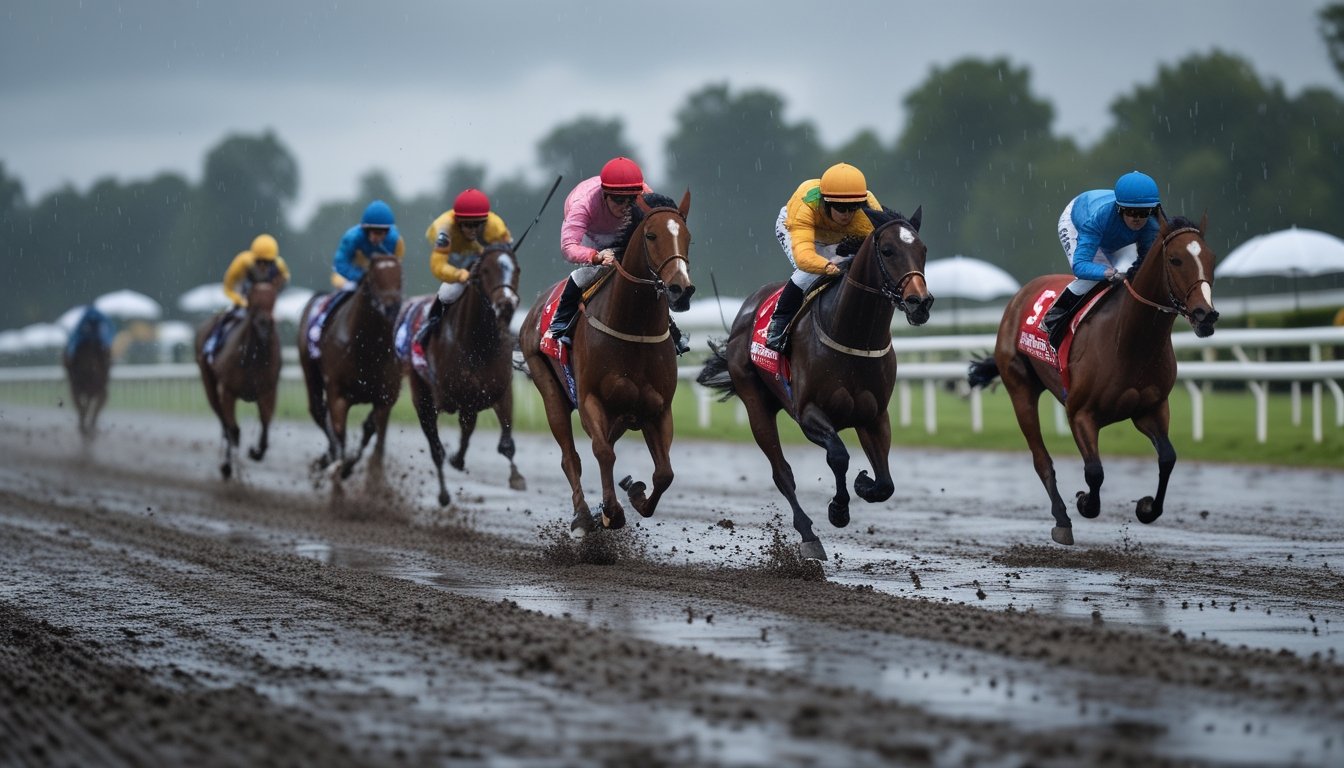
Beberapa kuda pacuan dengan joki berwarna-warni sedang berlari kencang di lintasan pacuan kuda dengan penonton di latar belakang.

Dalam dunia yang semakin digital, memilih agen yang terpercaya sangatlah penting. Agen balap kuda online resmi tidak hanya menawarkan keamanan dalam transaksi, tetapi juga pelayanan terbaik untuk memuaskan kebutuhan para penggunanya. Dengan informasi terkini mengenai jadwal balapan dan tips taruhan, pemain dapat membuat keputusan yang lebih cerdas.

Dengan beragam fitur yang memudahkan, seperti live streaming dan pilihan taruhan yang bervariasi, pengalaman balap kuda online menjadi lebih interaktif. Pemain dapat merasakan sensasi balapan secara langsung sambil memiliki peluang untuk mendapatkan bonus menarik.

Keunggulan Agen Balap Kuda Online Resmi

Seorang profesional menggunakan laptop di meja kerja dengan tampilan balap kuda online dan ikon bonus di sekitar.

Agen balap kuda online resmi menawarkan beragam keunggulan yang membedakannya dari platform lainnya. Dengan legalitas yang terjamin, kemudahan dalam pendaftaran dan transaksi, serta pilihan lomba yang lengkap, pengguna dapat menikmati pengalaman bertaruh yang lebih baik dan lebih aman.

Legalitas dan Keamanan Situs

Salah satu keunggulan utama agen balap kuda online resmi adalah legalitasnya. Situs-situs ini biasanya memiliki lisensi yang dikeluarkan oleh otoritas perjudian yang diakui. Hal ini memberikan jaminan kepada pengguna bahwa mereka beroperasi sesuai dengan peraturan yang berlaku.

Keamanan data pribadi juga menjadi fokus di agen resmi. Dengan teknologi enkripsi yang canggih, informasi pengguna dilindungi dari potensi pencurian. Pengguna dapat merasa tenang saat melakukan transaksi dan menjelajahi situs.

Kemudahan Registrasi dan Transaksi

Proses registrasi di agen balap kuda online resmi dirancang sederhana dan cepat. Pengguna hanya perlu mengisi formulir pendaftaran dengan informasi dasar, tanpa prosedur rumit. Ini memungkinkan mereka untuk mulai bertaruh dalam waktu singkat.

Transaksi finansial juga dipermudah dengan penyediaan berbagai metode pembayaran. Pengguna dapat memilih dari transfer bank, e-wallet, atau kartu kredit sesuai kenyamanan mereka. Ketepatan dan kecepatan dalam proses pencairan dana adalah nilai tambahan yang patut dicatat.

Pilihan Lomba Balap Kuda Terlengkap

Agen balap kuda online resmi biasanya menawarkan pilihan lomba yang luas. Pengguna dapat bertaruh pada berbagai acara dari seluruh dunia, termasuk balap lokal dan internasional. Ini memberikan kesempatan lebih untuk menemukan perlombaan yang sesuai dengan minat dan strategi taruhan.

Selain itu, informasi terkait lomba, seperti statistik kuda, riwayat balapan, dan form kuda tersedia secara lengkap. Dengan data ini, pengguna dapat membuat keputusan taruhan yang lebih terinformasi dan strategis.

Bonus Menarik dari Agen Balap Kuda Online

Agen balap kuda online menawarkan berbagai bonus menarik yang dapat meningkatkan pengalaman pengguna. Bonus ini tidak hanya menarik bagi pemain baru, tetapi juga untuk pemain yang sudah berpengalaman. Berikut ini penjelasan lebih lanjut tentang jenis bonus, syarat klaim, dan cara memaksimalkan manfaat dari bonus tersebut.

Jenis Bonus yang Ditawarkan

Agen balap kuda online menghadirkan beberapa jenis bonus untuk menarik dan mempertahankan pemain. Berikut adalah beberapa jenis bonus yang umum ditawarkan:

  • Bonus Selamat Datang: Diberikan kepada pemain baru setelah mendaftar dan melakukan deposit pertama. Biasanya berupa persentase dari jumlah deposit.
  • Bonus Setoran: Diberikan pada setiap deposit yang dilakukan setelah deposit pertama. Ini bisa berupa tambahan dana langsung atau taruhan gratis.
  • Bonus Loyalitas: Diberikan kepada pemain yang aktif dan setia. Semakin sering bermain, semakin besar bonus yang dapat diperoleh.
  • Promosi Khusus dan Turnamen: Agen sering mengadakan promosi yang mencakup turnamen dengan hadiah menarik.

Setiap bonus ini dirancang untuk memberikan nilai tambah dan membuat pengalaman bermain semakin seru.

Syarat dan Ketentuan Klaim Bonus

Untuk dapat menikmati bonus, pemain harus memahami syarat dan ketentuan yang berlaku. Berikut adalah beberapa hal penting yang perlu diperhatikan:

  • Kriteria Kelayakan: Pemain baru biasanya harus memenuhi kriterian tertentu, seperti usia dan lokasi, untuk mendapatkan bonus selamat datang.
  • Persyaratan Taruhan: Bonus sering kali memiliki persyaratan taruhan yang harus dipenuhi sebelum dapat ditarik. Ini biasanya dinyatakan dalam bentuk kali lipat dari bonus.
  • Batas Waktu: Beberapa bonus memiliki batas waktu untuk diklaim dan digunakan. Pemain harus cepat dalam memenuhi syarat untuk tidak kehilangan kesempatan.

Mengetahui syarat ini penting agar pemain tidak menghadapi hambatan saat ingin menggunakan bonus.

Tips Memaksimalkan Bonus Balap Kuda

Memanfaatkan bonus dengan bijak dapat meningkatkan peluang kemenangan. Berikut adalah beberapa tips yang dapat membantu:

  1. Baca Syarat dan Ketentuan: Dahulu, penting untuk memahami semua persyaratan terkait bonus. Ini membantu menghindari kesalahpahaman.
  2. Rencanakan Penggunaan Bonus: Tentukan bagaimana dan kapan akan menggunakan bonus. Memilih waktu yang tepat bisa meningkatkan peluang menang.
  3. Manfaatkan Semua Bonus: Jangan lewatkan kesempatan bonus lainnya yang ditawarkan oleh agen. Ini bisa jadi peluang baik untuk mengeksplorasi berbagai perlombaan.

Dengan pendekatan yang cermat, pemain dapat memaksimalkan penggunaan bonus dan meningkatkan pengalaman balap kuda mereka.

Turnamen Balap Kuda Online Terupdate

Turnamen balap kuda online menawarkan pengalaman yang menarik bagi para penggemar. Dengan jadwal yang selalu diperbarui, peserta dapat berpartisipasi dalam berbagai kesempatan untuk memenangkan hadiah menarik. Berikut adalah rincian mengenai jadwal, cara berpartisipasi, dan hadiah yang tersedia.

Jadwal Turnamen Terkini

Jadwal turnamen balap kuda online terus diperbarui untuk memberikan peserta informasi terkini. Pelaksanaan turnamen biasanya dijadwalkan setiap akhir pekan dengan beberapa sesi. Beberapa platform juga memberikan opsi turnamen harian.

Berikut adalah contoh jadwal yang dapat diambil dari sumber terpercaya:

Tanggal Nama Turnamen Waktu Mulai
5 Maret 2026 Grand Race Championship 14:00 WIB
12 Maret 2026 International Derby 15:00 WIB
19 Maret 2026 Summer Sprint Series 16:00 WIB

Penting untuk memeriksa situs resmi agen balap kuda untuk memastikan informasi akurat.

Cara Berpartisipasi dalam Turnamen

Peserta dapat mendaftarkan diri untuk turnamen melalui platform agen balap kuda. Proses pendaftaran umumnya meliputi langkah-langkah sebagai berikut:

  1. Buat Akun: Pengguna harus membuat akun di situs agen.
  2. Isi Formulir Pendaftaran: Setelah itu, mereka perlu mengisi formulir pendaftaran untuk turnamen yang dipilih.
  3. Lakukan Pembayaran: Biasanya, akan ada biaya pendaftaran yang harus dibayar melalui metode yang tersedia.

Setelah pendaftaran selesai, peserta akan menerima konfirmasi dan rincian lebih lanjut tentang turnamen.

Hadiah dan Penghargaan Eksklusif

Setiap turnamen balap kuda online mempersiapkan hadiah yang menarik bagi para pemenang. Hadiah sering kali berupa uang tunai, bonus, atau barang lainnya.

Berikut adalah jenis penghargaan yang sering ditawarkan:

  • Juara Pertama: Uang tunai hingga Rp 10.000.000 dan bonus poin.
  • Juara Kedua: Hadiah uang tunai Rp 5.000.000 dan bonus tambahan.
  • Juara Ketiga: Uang tunai Rp 2.500.000 dan merchandise resmi.

Selain itu, peserta juga dapat mendapatkan penghargaan lain seperti promo dan diskon di turnamen mendatang. Penghargaan ini memberikan motivasi tambahan bagi peserta untuk bersaing lebih baik.

Tips Memilih Agen Resmi Balap Kuda Online Aman dan Terverifikasi untuk Pengalaman Taruhan yang Optimal

Memilih agen resmi untuk balap kuda online adalah langkah penting bagi siapa saja yang ingin terlibat dalam dunia perjudian ini dengan aman. Faktor utama yang perlu diperhatikan adalah memastikan agen tersebut memiliki lisensi dan telah terverifikasi oleh lembaga yang berwenang. Ini menjamin keamanan transaksi serta integritas permainan yang ditawarkan.

Seorang pria dan wanita berdiskusi di kantor modern dengan layar digital menampilkan data balap kuda.

Selain lisensi, penting untuk mengevaluasi reputasi agen tersebut di kalangan pemain lain. Ulasan dan pengalaman pengguna sebelumnya dapat memberikan wawasan berharga tentang tingkat pelayanan dan keamanan yang mereka tawarkan. Memilih agen dengan ulasan positif membantu menghindari risiko yang tidak perlu.

Akhirnya, pengguna juga harus memperhatikan metode pembayaran yang tersedia dan dukungan pelanggan. Agen yang baik biasanya menawarkan berbagai opsi pembayaran yang aman dan selalu siap membantu dengan masalah yang mungkin timbul. Memastikan semua aspek ini dapat menjaga pengalaman bermain tetap menyenangkan dan aman.

Kriteria Agen Resmi Balap Kuda Online Aman

Seorang profesional sedang bekerja di depan laptop dengan data balap kuda online dan simbol keamanan di meja kantor yang rapi.

Memilih agen resmi untuk balap kuda online yang aman dan terverifikasi memerlukan pemahaman mendalam mengenai beberapa kriteria penting. Kriteria tersebut meliputi lisensi dan legalitas, transparansi permainan, reputasi di kalangan pengguna, serta fitur keamanan digital yang disediakan oleh agen.

Lisensi dan Legalitas yang Sah

Salah satu kriteria utama adalah keberadaan lisensi resmi. Agen yang tidak memiliki lisensi dari otoritas yang diakui menunjukkan sinyal bahaya. Lisensi mencerminkan bahwa agen tersebut beroperasi di bawah regulasi yang ketat, memberikan perlindungan bagi pengguna.

Penting untuk memverifikasi jenis lisensi yang dimiliki. Misalnya, beberapa agen mungkin memiliki lisensi dari lembaga seperti PAGCOR atau UK Gambling Commission. Melakukan penelitian tentang keabsahan lisensi ini dapat membantu mengurangi risiko penipuan. Selain itu, agen yang memiliki legalitas jelas lebih mungkin untuk memberikan layanan yang adil dan transparan.

Transparansi Alur Permainan

Transparansi dalam alur permainan sangat penting bagi pengguna. Agen yang baik harus menyediakan informasi lengkap mengenai mekanisme taruhan, peluang, dan aturan permainan.

Pengguna juga harus memiliki akses ke data historis hasil taruhan dan rincian mengenai biaya yang mungkin timbul. Dengan demikian, pemain dapat merencanakan taruhan mereka dengan lebih baik. Jika agen tidak menjelaskan proses secara rinci, bisa jadi ada yang disembunyikan dari pengguna.

Reputasi dan Ulasan Pengguna

Reputasi agen di kalangan pengguna lainnya adalah indikator yang sangat berharga. Ulasan dan testimoni dapat memberikan wawasan mengenai pengalaman pemain lain.

Pemain dapat mencari informasi di forum atau situs evaluasi untuk menemukan pendapat dan pengalaman yang objektif. Jika banyak pengguna melaporkan masalah seperti kesulitan penarikan dana atau pelayanan yang buruk, itu dapat menjadi tanda bahwa agen tersebut kurang dapat diandalkan.

Pengguna juga sebaiknya memperhatikan sejauh mana agen menanggapi keluhan yang ada, serta bagaimana mereka menangani masalah. Komitmen terhadap kepuasan pengguna adalah tanda agen yang baik.

Fitur Keamanan Digital

Fitur keamanan harus menjadi prioritas utama saat memilih agen balap kuda online. Agen yang aman biasanya menggunakan teknologi enkripsi yang kuat untuk melindungi data pribadi dan transaksi keuangan pengguna.

Penting untuk memperhatikan beberapa aspek, seperti SSL (Secure Socket Layer), yang mengamankan komunikasi antara pengguna dan server. Selain itu, agen juga harus memiliki sistem autentikasi dua faktor untuk melindungi akun pengguna dari akses tidak sah.

Memiliki kebijakan privasi yang jelas dan transparan juga menunjukkan bahwa agen berkomitmen untuk menjaga data penggunanya. Pengguna sebaiknya memeriksa seberapa sering agen memperbarui fitur keamanan dan menangani potensi risiko keamanan.

Tanda-Tanda Agen Balap Kuda Online Terverifikasi

Memilih agen balap kuda online yang aman adalah langkah penting bagi setiap pemain. Beberapa tanda dapat digunakan untuk memastikan bahwa agen yang dipilih telah terverifikasi dan dapat dipercaya. Berikut adalah beberapa aspek yang perlu diperhatikan.

Verifikasi Identitas Agen Resmi

Salah satu tanda utama agen balap kuda online terverifikasi adalah adanya proses verifikasi identitas yang jelas. Agen yang baik akan meminta informasi pribadi dan dokumen yang diperlukan untuk memastikan bahwa pemain adalah individu yang sah. Hal ini memberikan lapisan keamanan tambahan bagi kedua pihak.

Pemain harus merasa nyaman bahwa informasi mereka dilindungi. Dengan adanya sistem verifikasi, agen dapat mengurangi risiko penipuan dan menjaga integritas dari platform yang mereka tawarkan. Pastikan juga untuk memeriksa apakah agen memiliki lisensi dari otoritas resmi.

Bukti Sertifikat Keanggotaan

Agen balap kuda yang terverifikasi biasanya akan menampilkan bukti sertifikat keanggotaan atau asosiasi. Sertifikat ini menunjukkan bahwa agen tersebut beroperasi secara legal dan mematuhi standar yang ditetapkan oleh badan regulasi. Pencarian informasi ini dapat dilakukan melalui website agen tersebut.

Sertifikat juga menjadi indikator bahwa agen memiliki reputasi yang baik di komunitas balap kuda. Pastikan untuk melakukan verifikasi dua arah, dengan mencari informasi tambahan di situs resmi dari organisasi yang menerbitkan sertifikat tersebut. Ini adalah langkah penting dalam memastikan keandalan agen yang dipilih.

Dukungan Pelanggan Profesional

Agen balap kuda online yang terverifikasi akan menyediakan dukungan pelanggan yang profesional dan responsif. Ada beberapa saluran komunikasi yang biasanya ditawarkan, seperti live chat, email, atau telepon. Ketersediaan dukungan ini penting karena pemain mungkin memerlukan bantuan pada waktu yang berbeda.

Kemampuan agen untuk menjawab pertanyaan atau mengatasi masalah dengan cepat merupakan tanda bahwa mereka menghargai kepuasan pelanggan. Tim dukungan yang kompeten akan memberikan informasi yang jelas dan membantu memecahkan permasalahan yang dihadapi oleh pemain. Pastikan juga untuk membaca ulasan pelanggan lain mengenai layanan ini.

Tips Memilih Agen Balap Kuda Online Terbaik

Memilih agen balap kuda online yang terpercaya memerlukan perhatian terhadap beberapa aspek penting. Beberapa faktor utama yang perlu dipertimbangkan antara lain promo dan bonus yang ditawarkan, metode pembayaran yang fleksibel, serta kualitas platform yang digunakan.

Perbandingan Promo dan Bonus

Promosi dan bonus dapat sangat mempengaruhi keputusan seseorang untuk bergabung dengan agen tertentu. Banyak agen menawarkan bonus pendaftaran, yang memberikan insentif bagi pemain baru. Penting untuk membandingkan :

  • Persentase bonus: Beberapa agen mungkin menawarkan bonus sebesar 100% atau lebih.
  • Syarat taruhan: Cermati ketentuan yang harus dipenuhi untuk menarik bonus.
  • Promosi berkelanjutan: Periksa apakah agen memberikan promosi reguler untuk member yang sudah terdaftar.

Agen yang baik menyediakan informasi transparan mengenai semua penawaran ini. Pemain sebaiknya memilih agen yang tidak hanya memberikan bonus besar, tetapi juga syarat yang jelas dan menguntungkan.

Fleksibilitas Metode Pembayaran

Fleksibilitas dalam metode pembayaran adalah faktor penting lainnya. Pemain perlu memastikan agen yang dipilih menyediakan berbagai opsi untuk melakukan transaksi, seperti:

  • Transfer bank: Metode yang umum dan terpercaya.
  • E-wallet: Seperti OVO, GoPay, PayPal, yang menawarkan proses cepat.
  • Kartu kredit/debit: Untuk memudahkan pemain dalam melakukan deposit.

Kecepatan dan biaya transaksi juga sangat penting. Agen terbaik akan memberikan berbagai pilihan yang membantu pemain melakukan deposit dan penarikan dengan efisien.

Kualitas Platform dan User Experience

Kualitas platform dan pengalaman pengguna memainkan peran krusial dalam keputusan pemilihan agen. Hal-hal yang perlu diwaspadai antara lain:

  • Antarmuka pengguna: Harus intuitif dan mudah dinavigasi.
  • Ketersediaan fitur: Seperti statistik balapan, live streaming, dan method betting yang bervariasi.
  • Responsif: Pastikan platform dapat diakses dengan nyaman di berbagai perangkat, seperti ponsel dan tablet.

Sebuah platform yang baik memberikan kenyamanan kepada pemain dan memudahkan akses ke berbagai fitur yang penting selama bermain.

Langkah Aman Bertransaksi di Agen Balap Kuda Online

Transaksi di agen balap kuda online memerlukan kehati-hatian dan pengetahuan tentang cara melindungi diri. Penting bagi pemain untuk memahami perlindungan data pribadi mereka dan potensi risiko yang mungkin timbul selama transaksi.

Perlindungan Data Pribadi

Penting untuk memilih agen yang menawarkan keamanan data yang tinggi. Cek apakah situs menggunakan protokol HTTPS, yang mengenkripsi komunikasi antara pengguna dan situs. Penggunaan firewall juga menjadi indikator bahwa data yang diberikan akan aman.

Sebelum mendaftar, baca kebijakan privasi untuk mengetahui bagaimana data akan digunakan dan dilindungi. Pengguna harus membatasi informasi yang dibagikan. Jangan pernah memberikan informasi yang tidak perlu, seperti nomor kartu kredit di situs yang tidak terpercaya. Gunakan metode pembayaran yang aman dan terverifikasi untuk memberikan lapisan ekstra keamanan pada transaksi.

Risiko dan Cara Menghindarinya

Risiko dalam balap kuda online dapat berupa penipuan, pencurian identitas, atau situs yang tidak dapat dipercaya. Sebelum melakukan transaksi, selalu pastikan bahwa agen tersebut telah terdaftar dan memiliki lisensi resmi.

Lakukan riset tentang ulasan dan pengalaman pemain lain. Gunakan tabel perbandingan untuk mengevaluasi reputasi agen.

Apabila tanda-tanda mencurigakan muncul, seperti situs yang sering down atau sulit dihubungi, lebih baik menghindari agen tersebut. Penting juga untuk menggunakan kata sandi yang kuat dan unik untuk akun, serta aktif mempertahankan keamanan akun dengan mengaktifkan autentikasi dua faktor jika tersedia.

Daftar Agen Resmi Balap Kuda Online Legal dan Terpercaya di Indonesia 2026

Balap kuda online semakin populer di Indonesia, menarik perhatian banyak penggemar olahraga dan penjudi. Daftar agen resmi balap kuda online legal dan terpercaya di Indonesia sangat penting untuk memastikan pengalaman yang aman dan menyenangkan. Memilih agen yang tepat tidak hanya memberikan akses ke berbagai kompetisi balap, tetapi juga menjamin keamanan transaksi dan keadilan dalam permainan.

Lomba kuda pacuan dengan joki berwarna-warni di lintasan balap yang ramai dan cerah.

Dalam dunia digital, menemukan sumber yang terpercaya bisa menjadi tantangan tersendiri. Banyak agen menawarkan layanan mereka, namun tidak semuanya memiliki lisensi resmi serta reputasi yang baik. Artikel ini akan memberikan informasi penting mengenai agen-agen yang telah teruji dan mendapatkan kepercayaan dari para pengguna di Indonesia.

Dengan memahami daftar agen resmi, para pemain dapat meningkatkan peluang mereka untuk menikmati pengalaman balap kuda yang memuaskan. Mereka kemungkinan besar akan menemukan opsi yang memenuhi kebutuhan dan preferensi mereka, menjadikan aktivitas ini lebih menarik dan menguntungkan.

Kriteria Agen Balap Kuda Online Legal dan Terpercaya

Orang-orang profesional sedang bekerja di kantor dengan layar komputer yang menampilkan data balap kuda, menunjukkan suasana agen balap kuda online yang terpercaya.

Dalam memilih agen balap kuda online, beberapa kriteria penting harus diperhatikan. Kriteria ini mencakup lisensi resmi, reputasi agen, keamanan data pengguna, dan transparansi sistem pembayaran. Memahami kriteria ini membantu pemain untuk memilih agen yang dapat diandalkan.

Lisensi Resmi dan Regulasi di Indonesia

Agen balap kuda online yang dianggap legal harus memiliki lisensi resmi dari otoritas perjudian di Indonesia. Lisensi ini menunjukkan bahwa agen telah memenuhi standar tertentu dalam operasi dan perlindungan konsumen.

Tanpa lisensi yang valid, agen bisa saja beroperasi secara ilegal, yang berpotensi menempatkan pemain di risiko penipuan. Pemain harus memastikan untuk memverifikasi keberadaan lisensi ini sebelum mendaftar. Beberapa lembaga pengatur yang mengeluarkan izin antara lain Komisi Perjudian dan organisasi terkait lainnya yang beroperasi di Indonesia.

Pemain juga disarankan untuk mengecek apakah agen tersebut mengikuti regulasi terbaru yang berlaku untuk menjaga kredibilitas dan keamanan permainan.

Reputasi Agen Balap Kuda Online

Reputasi agen adalah salah satu indikator terpenting dari kepercayaan pemain. Sebuah agen yang memiliki banyak ulasan positif dari pengguna lain lebih mungkin untuk memberikan pengalaman yang memuaskan.

Pemain dapat mencari informasi melalui forum, blog, atau platform media sosial untuk menilai pendapat pengguna lain. Elemen penting dalam reputasi termasuk cara agen menangani keluhan, kecepatan dalam pembayaran, dan layanan pelanggan yang tersedia.

Sebuah agen yang terpercaya juga akan transparan dalam aktivitas mereka dan menyediakan informasi yang jelas tentang aturan serta sistem permainan.

Keamanan Data Pengguna

Keamanan data pengguna adalah aspek kritis yang tidak boleh diabaikan. Agen balap kuda online harus menggunakan teknologi enkripsi terkini untuk melindungi informasi pribadi dan keuangan pemain.

Pemain harus memastikan bahwa situs agen menggunakan protokol aman seperti SSL (Secure Socket Layer). Selain itu, informasi tentang kebijakan privasi dan pengumpulan data juga harus dijelaskan dengan jelas oleh agen.

Agen yang menghargai keamanan akan memiliki langkah-langkah protektif dalam pencegahan akses tidak sah serta perlindungan terhadap serangan siber.

Transparansi Sistem Pembayaran

Keberadaan sistem pembayaran yang transparan adalah kriteria vital bagi agen balap kuda online. Pemain harus dapat melihat dengan jelas berbagai metode transaksi yang tersedia dan biaya yang terkait.

Agen yang baik akan menyediakan berbagai pilihan pembayaran, termasuk transfer bank, e-wallet, dan sistem pembayaran lainnya. Informasi mengenai waktu pemrosesan penarikan dana juga perlu tersedia, sehingga pemain tidak merasa terjebak atau bingung terkait waktu yang dibutuhkan untuk mendapatkan kemenangan mereka.

Keberadaan syarat dan ketentuan yang jelas mengenai semua aspek pembayaran juga mencerminkan transparansi dan keandalan agen.

Daftar Agen Resmi Balap Kuda Online di Indonesia

Pemilihan agen balap kuda online yang tepat sangat penting bagi para petaruh. Artikel ini mencakup agen-agen paling terkemuka yang legal dan terpercaya di Indonesia, serta fitur dan kelebihan masing-masing.

Agen Balap Kuda Legal Terpopuler

Berikut adalah beberapa agen balap kuda online yang dikenal luas dan memiliki reputasi baik di Indonesia:

  1. Bola88: Menawarkan berbagai jenis taruhan dengan platform yang user-friendly.
  2. Win88: Dikenal dengan promosi menarik dan bonus untuk anggota baru.
  3. S128: Memiliki beragam pilihan taruhan yang menarik serta live streaming.
  4. Maxbet: Memfasilitasi taruhan di berbagai jenis balapan, termasuk internasional.

Masing-masing agen ini telah terdaftar dan memiliki lisensi resmi, sehingga memberikan keamanan bagi para petaruh.

Profil Singkat Masing-Masing Agen

  • Bola88: Memfokuskan pada pengalaman pengguna dengan antarmuka yang intuitif. Mereka menawarkan berbagai jenis taruhan, termasuk balapan kuda lokal dan internasional, serta memiliki layanan pelanggan 24/7.
  • Win88: Menonjol karena bonus pendaftaran yang menggiurkan dan program loyalitas bagi anggota tetap. Win88 juga menyediakan analisa dan statistik balapan untuk membantu pengguna membuat keputusan taruhan.
  • S128: Memadukan pengalaman taruhan dengan fasilitas live streaming, memudahkan pengguna untuk mengikuti balapan secara real-time. Rangkaian pilihan taruhan yang beragam menjadi salah satu daya tarik utama.
  • Maxbet: Dikenal dengan jaringan luas dan opsi taruhan yang fleksibel, Maxbet menawarkan banyak jenis balapan dan memiliki kelompok analis yang siap memberikan informasi terkini.

Perbandingan Fitur dan Kelebihan

Agen Bonus Pendaftaran Platform Live Streaming Layanan Pelanggan
Bola88 Ya Tidak 24/7
Win88 Ya Tidak 24/7
S128 Tidak Ya 24/7
Maxbet Tidak Tidak 24/7

Setiap agen memiliki kelebihan masing-masing. Bola88 dan Win88 menarik bagi mereka yang mencari bonus menarik, sementara S128 menonjol dalam hal fasilitas live streaming. Maxbet lebih fokus pada fleksibilitas taruhan dan informasi yang mendukung keputusan. Membandingkan fitur ini akan membantu petaruh memilih agen yang sesuai dengan kebutuhannya.

Tips Memilih Agen Balap Kuda Online yang Aman dan Andal

Memilih agen balap kuda online yang tepat sangat penting untuk memastikan pengalaman yang aman dan menyenangkan. Beberapa faktor kunci dapat membantu menentukan apakah agen tersebut terpercaya.

Memastikan Legalitas Agen

Legalitas agen merupakan aspek fundamental yang harus diperhatikan. Pastikan agen memiliki lisensi resmi dari lembaga yang berwenang di Indonesia. Lisensi ini menunjukkan bahwa agen mengikuti aturan dan regulasi yang ditetapkan, sehingga memberikan perlindungan bagi pengguna.

Cek situs web agen untuk informasi mengenai nomor lisensi dan badan pengawas yang mengeluarkannya. Selain itu, validasi informasi ini dengan melakukan pencarian online atau menghubungi lembaga terkait. Tindakan ini membantu menghindari penipuan dan memastikan bahwa semua transaksi dilakukan secara sah.

Ciri-Ciri Layanan Profesional

Layanan profesional terlihat dari fasilitas yang ditawarkan agen. Agen yang andal biasanya memberikan antarmuka yang mudah digunakan dan layanan pelanggan yang responsif. Pastikan agen menawarkan berbagai fitur seperti live chat, hotline, atau email untuk menjawab pertanyaan dan masalah yang mungkin timbul.

Selain itu, perhatikan metode pembayaran yang disediakan. Agen terpercaya menyediakan beberapa opsi pembayaran yang aman, seperti transfer bank dan dompet digital. Ketersediaan fitur-fitur ini mencerminkan komitmen agen dalam memberikan pengalaman yang baik bagi pengguna.

Verifikasi Testimoni Pengguna

Testimoni pengguna memiliki peran penting dalam memilih agen yang kredibel. Cari tahu pendapat pengguna lain tentang pengalaman mereka dengan agen tersebut. Ulasan positif biasanya menjadi indikasi bahwa agen tersebut dapat dipercaya.

Gunakan platform independen untuk mengecek ulasan dan pastikan testimoni tidak hanya berasal dari situs resmi agen. Selain itu, perhatikan pola dalam ulasan – banyak komentar positif dan negatif dapat memberikan gambaran yang lebih jelas tentang kinerja dan keandalan agen. Melakukan riset mendalam pada testimoni dapat membantu pengguna membuat keputusan yang lebih informasional.

Agen Resmi Balap Kuda Online Terpercaya Dengan Deposit Mudah dan Cepat untuk Pengalaman Taruhan Optimal

Balap kuda online semakin populer di kalangan pencinta taruhan. Memilih agen resmi balap kuda online terpercaya dengan deposit mudah dan cepat sangat penting untuk memastikan pengalaman yang aman dan menyenangkan. Dengan banyaknya pilihan yang tersedia, pemain perlu menemukan platform yang tidak hanya menawarkan kemudahan transaksi tetapi juga keandalan dalam setiap taruhan yang dilakukan.

Seseorang menggunakan laptop dengan tampilan situs balap kuda online di meja kerja yang rapi.

Agen yang terpercaya biasanya menawarkan berbagai metode deposit yang cepat dan transparan, memberikan kenyamanan bagi para petaruh. Mereka juga menyediakan informasi yang jelas tentang syarat dan ketentuan, sehingga pemain dapat merasa lebih yakin dalam membuat keputusan. Mengandalkan agen yang sudah terverifikasi juga membantu menghindari risiko penipuan yang dapat merugikan pemain.

Dengan mengambil langkah untuk memilih agen yang tepat, para penggemar balap kuda dapat fokus pada apa yang mereka sukai—menikmati balapan dan berpotensi meraih kemenangan. Melalui artikel ini, pembaca akan menemukan panduan untuk mengenali agen resmi yang memenuhi kriteria tersebut.

Keunggulan Agen Resmi Balap Kuda Online Terpercaya

Dua orang profesional sedang menggunakan laptop di kantor modern dengan latar belakang kota dan layar digital menampilkan data balap kuda.

Agen resmi balap kuda online terpercaya menawarkan berbagai keunggulan yang signifikan bagi para pemain. Dengan fokus pada lisensi dan keamanan, pelayanan pelanggan, serta reputasi pengguna, agen-agen ini memastikan pengalaman bertaruh yang aman dan memuaskan.

Lisensi dan Keamanan Terjamin

Agen resmi balap kuda online terpercaya biasanya memiliki lisensi dari badan pengatur yang diakui. Lisensi ini menunjukkan bahwa agen beroperasi sesuai dengan standar dan regulasi yang berlaku. Dengan adanya lisensi, pemain dapat yakin bahwa proses transaksi mereka aman.

Keamanan juga menjadi prioritas utama. Agen akan menggunakan teknologi enkripsi untuk melindungi data pribadi dan finansial pemain. Dengan langkah-langkah ini, risiko penipuan dan kebocoran data dapat diminimalkan, sehingga memberikan ketenangan pikiran saat bertaruh.

Pelayanan Pelanggan Profesional

Pelayanan pelanggan yang profesional adalah ciri khas dari agen resmi yang dapat diandalkan. Tim support biasanya tersedia 24/7, siap membantu pemain dengan berbagai pertanyaan atau masalah. Respons yang cepat dan solusi yang efektif memberikan nilai tambah bagi pengalaman pengguna.

Banyak agen menyediakan berbagai saluran komunikasi, termasuk live chat, email, dan telepon. Ini memungkinkan pemain untuk memilih metode yang paling nyaman bagi mereka. Pelayanan yang ramah dan informatif meningkatkan loyalitas pemain terhadap agen tersebut.

Reputasi dan Ulasan Pengguna

Reputasi agen balap kuda online sangat penting dalam menentukan kepercayaannya. Agen terpercaya biasanya memiliki ulasan positif dari pengguna, yang mencerminkan pengalaman mereka saat menggunakan platform tersebut. Ulasan ini dapat ditemukan di berbagai situs review dan forum.

Agen dengan reputasi baik sering kali memiliki komunitas pemain yang aktif. Pemain dapat berbagi pengalaman dan tips, meningkatkan kepercayaan terhadap agen. Memperhatikan reputasi agen sebelum mendaftar dapat membantu pemain membuat keputusan yang lebih baik dan menghindari masalah di kemudian hari.

Panduan Deposit Mudah dan Cepat

Dalam dunia taruhan online, kemudahan dan kecepatan dalam proses deposit sangat penting. Artikel ini menguraikan metode pembayaran yang tepat, proses verifikasi yang efisien, dan tips untuk mempercepat transaksi.

Metode Pembayaran Populer

Beberapa metode pembayaran menjadi pilihan utama pemain untuk melakukan deposit. Ini termasuk:

  • Transfer Bank: Cara tradisional yang aman, meskipun mungkin memerlukan waktu hingga 1-2 hari kerja untuk diproses.
  • E-Wallet: Platform seperti OVO, GoPay, dan DANA memungkinkan deposit instan. Ini adalah opsi yang sangat populer karena kemudahan dan kecepatan yang ditawarkan.
  • Kartu Kredit/Debit: Metode ini dapat langsung memproses deposit, tetapi mungkin ada risiko penolakan transaksi jika terdapat masalah dengan bank.
  • Cryptocurrency: Pilihan ini semakin diminati karena dapat memberikan anonimitas dan kecepatan transaksi yang tinggi.

Memilih metode yang tepat penting untuk memastikan pengalaman yang lancar.

Proses Verifikasi Pembayaran

Setelah melakukan deposit, verifikasi menjadi langkah penting. Pengguna biasanya perlu memenuhi beberapa persyaratan, seperti:

  • Mengunggah bukti transaksi, seperti screenshot atau foto bukti transfer.
  • Menyediakan identitas diri untuk memverifikasi akun, seperti KTP atau SIM.

Proses ini dapat memakan waktu, namun sangat penting untuk memastikan keamanan dan mencegah penipuan. Banyak situs taruhan kini menawarkan verifikasi cepat, sehingga pengguna tidak perlu menunggu lama untuk mulai bermain.

Tips Mempercepat Deposit

Untuk mempercepat proses deposit, pertimbangkan beberapa tips berikut:

  1. Pilih Metode Paling Cepat: E-wallet dan cryptocurrency biasanya menawarkan deposit instan.
  2. Periksa Detail Akun: Pastikan informasi akun dan metode pembayaran sudah terdaftar dengan benar untuk menghindari cek ulang.
  3. Baca Petunjuk: Setiap situs sering memiliki panduan khusus. Mengikuti instruksi dengan seksama dapat mengurangi kemungkinan kesalahan.
  4. Gunakan Jaringan Stabil: Saat melakukan transaksi, pastikan koneksi internet tidak terputus.

Dengan mengikuti tips ini, proses deposit dapat menjadi lebih efisien dan cepat.

Cara Memilih Agen Balap Kuda Online yang Tepat

Memilih agen balap kuda online yang tepat sangat penting untuk memastikan pengalaman bertaruh yang aman dan menyenangkan. Beberapa aspek utama yang perlu diperhatikan meliputi keandalan agen, fitur yang ditawarkan, dan kualitas dukungan teknologi yang tersedia.

Ciri-ciri Agen Resmi dan Terpercaya

Agen resmi dan terpercaya biasanya memiliki lisensi yang jelas dan dapat diverifikasi. Mereka juga menyediakan informasi kontak yang lengkap, termasuk alamat fisik dan nomor telepon. Sebaiknya, teliti ulasan dari pengguna lain untuk menilai reputasi agen tersebut.

Fitur tambahan yang sering ditemukan pada agen berlisensi meliputi transparansi dalam transaksi dan kebijakan perlindungan data. Agen yang baik harus mampu menjelaskan syarat dan ketentuan dengan jelas. Selain itu, penting juga untuk memastikan bahwa agen tersebut memiliki metode pembayaran yang aman dan berbagai opsi untuk menyetor dan menarik dana.

Perbandingan Fitur dan Bonus

Setiap agen balap kuda online menawarkan berbagai fitur dan bonus yang dapat memengaruhi keputusan pengguna. Beberapa bonus umum meliputi bonus selamat datang, cashback, dan promosi reguler. Bandingkan jenis bonus ini berdasarkan syarat dan ketentuan yang mereka tawarkan.

Perhatikan juga fitur tambahan yang ditawarkan, seperti kemampuan untuk melakukan streaming langsung, statistik balapan, atau analisis kuda. Fitur tambahan ini bisa meningkatkan pengalaman pengguna secara keseluruhan. Pastikan untuk memilih agen yang tidak hanya menawarkan bonus menarik tetapi juga fitur yang sesuai dengan kebutuhannya.

Dukungan Platform Teknologi Modern

Aksesibilitas dan kualitas platform teknologi sangat mempengaruhi pengalaman bertaruh. Agen yang baik biasanya memiliki antarmuka pengguna yang ramah dan dapat diakses dari berbagai perangkat, baik desktop maupun mobile.

Perhatikan juga kecepatan pemrosesan taruhan dan transmisi data. Platform yang andal akan memberikan informasi waktu nyata mengenai hasil balapan dan odds. Dukungan pelanggan yang responsif melalui berbagai saluran, seperti live chat, email, dan telepon, juga sangat penting untuk membantu pengguna jika menghadapi masalah.

Judi Pacuan Kuda

Menggunakan Strategi Taruhan yang Tepat untuk Menang di Judi Pacuan Kuda Terbaik — Practical Tips and Winning Approaches

You can improve your results at horse race betting by using clear strategies, disciplined bankroll management, and careful selection of races and platforms. Focus on value bets, combine solid form analysis with odds comparison, and control stakes to turn short-term wins into consistent gains.

This article shows how to evaluate races, apply both fundamental and advanced betting approaches, avoid common mistakes, and choose the right betting site so you make smarter, measurable decisions. Expect practical tactics you can use immediately to refine your process and increase your edge.

Understanding Horse Racing Betting

You will learn essential terms, how odds determine payout and risk, and the common bet types you can place. This sets a practical foundation so you can make informed wagers and manage stakes.

Key Terminology in Horse Racing

Know these core terms: favourite (lowest odds), overlay (horse with better odds than its true chance), parimutuel (pool-based betting), and handicap (weight assigned to equalize chances). Understanding them helps you interpret form guides and race cards.

Read the race card for horse name, sire/dam, -age/sex, recent form (finishing positions), jockey, trainer, and weight carried. Pay attention to track condition (fast, good, yielding, soft) and distance; some horses are sprinters, others are stayers.

Also track speed figures (numeric performance ratings) and sectional times (split times). These quantify performance across surfaces and distances so you can compare horses objectively rather than relying on name recognition.

How Odds Work in Horse Racing

Odds express both the implied probability of a horse winning and the potential payout. Decimal odds show total return per unit staked (e.g., 5.00 returns $5 on $1), while fractional odds show profit relative to stake (e.g., 4/1 returns $4 profit on $1).

Parimutuel systems pool stakes, subtract the house take, then divide the remainder among winning tickets. Bookmaker odds reflect the bookmaker’s offered price and can change up to race time based on money flow and liability.

Understand implied probability: convert odds to probability to spot value. For fractional odds A/B, probability = B / (A + B). For decimal odds D, probability = 1 / D. Look for discrepancies between your estimate and market odds to find overlays.

Types of Bets Available

Start with straight bets: win (horse finishes first), place (first two or three, depending on field), and show (first three in some jurisdictions). These are simplest and easiest to calculate payout expectations.

Exotic bets combine outcomes: exacta (first two in order), quinella (first two in any order), trifecta (first three in order), and superfecta (first four in order). Exotics pay larger pools but require more precise predictions and smaller hit rates.

You can also use each-way (win + place component) and box or wheel structures to cover multiple combinations. Manage stake size: exotics multiply ticket costs quickly, so set limits per race and calculate break-even odds before betting.

Fundamental Strategies for Winning

Focus on measurable factors you can control: horse form, wager sizing, and how the track plays on race day. Apply those consistently and use specific metrics to guide choices.

Analyzing Form and Performance

Look at the last five runs for each horse and note finishing position, margins, and class of race. Prioritize horses that improved in recent starts, finished strongly, or upgraded class without losing form.

Check speed figures (e.g., Beyer, Timeform) and compare them to the race’s historical winning figures. A horse running a speed figure within the race’s typical winning range has a clear advantage.

Evaluate pace profile: identify front-runners, stalkers, and closers. Match a horse’s running style to projected early fractions; a closer needs fast early splits to capitalize, while a front-runner needs manageable fractions.

Consider trainer and jockey combinations. Track trainers’ win rates with similar distances and surfaces, and note jockeys who consistently get the best positioning or meet-time rides.

Bankroll Management Principles

Set a fixed bankroll for racing and divide it into betting units, typically 1–2% per unit for conservative play. Use flat-betting (same unit size) to measure your edge without risking ruin from a single mistake.

Adjust unit size only after a sustained change in bankroll. If your bankroll increases by 25% or drops by 25%, recalibrate unit size so risk remains proportional.

Use staking plans for specific bet types: allocate most units to win/place bets and a smaller percentage to exotics like exactas or trifectas. Limit exotic exposure because variance is higher and one loss can deplete several units.

Track every wager in a simple ledger with date, race, bet type, stake, odds, and result. Reviewing real data prevents emotional decisions and reveals which strategies produce positive ROI.

Importance of Track Conditions

Record the surface (dirt, turf, synthetic) and the official condition (fast, good, yielding, sloppy). Some horses show pronounced surface preferences; ignore horses that have no form on the day’s surface.

Adjust expectations for weather-impacted tracks. A sloppy or heavy surface favors horses with proven wet-track wins or high early speed that can handle kickback.

Check bias tendencies at the track and distance: inside bias, speed-favoring rails, or favoring late runs. Use recent race charts to detect bias and select horses whose running style meshes with it.

Factor in post position effects. On short-turn tracks, outside posts can be a disadvantage for front-runners; on long straights, post matters less.

Advanced Betting Approaches

You’ll focus on extracting value, using empirical race data, and weighing jockey/trainer histories to shape bets that improve long-term results. Each tactic requires disciplined records, clear criteria, and consistent stake sizing.

Value Betting Tactics

Value betting means staking when the bookmaker price underestimates a horse’s real probability of winning. Calculate your implied probability from the odds (Implied % = 100 ÷ decimal odds). Compare that to your assessed probability based on form, track, distance, and conditions.

Use a simple checklist to decide value:

  • Odds converted to implied probability.
  • Adjusted probability from your model or manual assessment.
  • If your assessed % > implied %, mark as value.

Size bets with a fixed-percentage model (e.g., 1–3% of your bankroll) or the Kelly Criterion for more mathematical sizing. Track outcomes over at least 100 bets to validate your edge. Avoid chasing “near misses”; stick to the numbers and your staking rules.

Using Statistical Data and Trends

Rely on quantitative signals: speed figures, pace maps, class drops, and surface-specific performance. Pull race charts and 6–12 race samples for each horse, then derive simple metrics like average finishing speed, variance, and pace position frequency.

Organize data in a compact table for each race:

Metric Why it matters
Last 3 speed figs Current form indicator
Avg pace rank Likely race position
Surface win% Suitability to track
Class change Competitiveness shift

Combine metrics into a scorecard that weights the most predictive factors for that track. Re-calibrate weights monthly and document every change. Use trend filters—e.g., horses improving by 3+ speed points over last two starts—to highlight candidates.

Evaluating Jockey and Trainer Records

Assess jockey-trainer combinations, individual win rates, and situational stats like performance on specific tracks or in certain classes. Look for stable indicators such as a trainer’s win% when entering off a rest or a jockey’s record in tight finishes.

Use a small table to compare options:

Name Win% (30d) Track win% Notable style
Trainer A 18% 22% Improves off layoff
Jockey B 15% 19% Strong late rides

Prioritize pairings with proven success at the race’s distance and surface. Adjust for conditional riders and equipment changes (blinkers, tongue-tie). If a trainer shows a high strike rate with short-priced favorites, reduce your stake on those entrants unless other data suggests value.

Selecting the Right Betting Platform

Choose platforms with reliable licensing, transparent odds, and payment options that match how you prefer to deposit and withdraw. Prioritize sites with clear terms, consistent user reviews, and active customer support.

Criteria for Choosing Trusted Sites

Verify the operator’s license from regulators like the UKGC, MGA, or state-level authorities. Licensing shows legal oversight; check the license number on the site and confirm it on the regulator’s database.

Examine independent audits and RNG certifications where applicable. Look for seals from eCOGRA or GLI and a published fairness policy for pari-mutuel pools or fixed-odds markets.

Read recent user reviews focusing on withdrawal times, dispute handling, and account security. Avoid platforms with recurring complaints about frozen accounts, unverifiable identity checks, or unexplained chargebacks.

Check the site’s age and corporate transparency. A documented company address, registration details, and publicly available terms and privacy policy reduce operational risk.

Comparing Bonuses and Promotions

Compare welcome offers by wagering requirements, maximum bet limits, and eligible markets. A 100% deposit match with a 20x wagering requirement on accumulator bets is less valuable than a smaller bonus with 5x on single-race wagers.

Evaluate rollover rules and time limits. Bonuses that exclude favorite bet types (like quinella or exacta) or require short redemption windows can make bonuses unusable.

Watch for hidden caps on winnings and maximum bet restrictions while bonus-locked. Also check whether promotional free bets pay stake or only net profit.

Use a simple checklist:

  • Bonus amount and type (cash, free bet, match)
  • Wagering multiplier and eligible markets
  • Expiry and max cashout
  • Max bet while bonus active

Security and Payment Methods

Choose platforms that use TLS/SSL encryption and publish a clear data protection policy. Look for two-factor authentication (2FA), IP/device logging, and session timeout settings to reduce account compromise risk.

Prefer sites with multiple trusted payment providers: credit/debit cards, bank transfers, e-wallets (Skrill, Neteller), and reputable instant bank options. Check deposit and withdrawal fees, processing times, and required verification documents.

Review KYC requirements before deposit to avoid delays when cashing out. Platforms that list typical verification documents and expected processing windows (e.g., ID within 48 hours, withdrawals 1–5 business days) help you plan liquidity.

Confirm chargeback and dispute policies. A transparent receipts history, contactable support (live chat, email, phone), and escalation paths to regulators or ombudsmen protect your funds and rights.

Common Mistakes to Avoid

Focus on decision errors that directly cost money: letting emotions drive bets, skipping race specifics like track condition or jockey form, and ignoring bankroll limits and time controls. Each mistake below explains what to watch for and practical steps to correct it.

Emotional Betting Pitfalls

Emotions make you chase losses and overbet on favorites because you feel pressure to recover. Set a strict stake percentage of your bankroll per race (e.g., 1–3%) and stick to it, regardless of recent wins or losses.

Challenge confirmation bias by writing a short pre-bet note: reason for the pick, edge identified, and maximum stake. Review losing notes weekly to spot patterns like betting on horses because you “feel” confident rather than because odds imply value.

Use timers and session limits. Stop after a preset number of races or a loss threshold. This prevents tilt and reduces impulsive bets driven by excitement or frustration.

Ignoring Key Race Information

Failing to check track condition, recent form, jockey changes, and weight assignments removes your informational edge. Always verify the going (firm, good, soft), last three runs, jockey booking, and official weight; these factors materially shift expected performance.

Compare morning line odds with current market odds to spot late money or information leaks. Use a short checklist before betting: track, horse recent speed figures, jockey, trainer form, and barrier draw.

Avoid single-metric decisions. A horse with a top speed rating but poor barrier draw or heavy weight may be a trap. Balance all key variables and quantify your edge before committing stakes.

Overlooking Responsible Gambling

Ignoring bankroll management and time controls turns strategic betting into a financial risk. Allocate a dedicated betting bankroll separate from living expenses, set daily/weekly loss limits, and never increase stakes to chase profits.

Use self-imposed cooling-off measures: session timers, bet limits on the platform, and predefined inactivity periods after losses. Keep records of every bet—stake, odds, rationale, and outcome—to analyze ROI and emotional triggers.

If you notice persistent rule-breaking or betting beyond limits, employ external safeguards like deposit caps, reality checks, or self-exclusion options. Responsible controls protect your funds and keep decision-making rational.

Maximizing Long-Term Success

Track measurable habits and performance to turn short-term wins into consistent returns. Focus on data you can act on: bankroll changes, bet types, track conditions, jockey-trainer combos, and ROI per strategy.

Consistent Review of Betting Results

Keep a structured log with dates, race IDs, horse number, bet type, stake, odds, outcome, and net result. Review this weekly and calculate ROI, hit rate, and average return per bet type to spot which wagers actually make profit.

Use a simple table or spreadsheet with these columns:

  • Date
  • Race ID
  • Horse/Jockey/Trainer
  • Bet Type (win/place/exacta)
  • Stake
  • Odds
  • Result
  • Net P/L
    Color-code losing streaks and profitable patterns to avoid emotional decisions during variance.

Perform monthly deeper analysis: compare ROI by track, distance, surface, and weather. Adjust stakes only after you confirm a statistically significant edge; small-sample noise can mislead you.

Adapting Strategies Over Time

Update your models when recurring patterns change: equipment changes, trainer form shifts, or new jockeys appear. When a strategy’s ROI drops for three consecutive months, test tweaks on a small sample before full adoption.

Use A/B testing: split bankroll allocation between current and modified strategies and measure results over at least 100 bets per arm. Track metrics like ROI, variance, and max drawdown to decide which version to scale.

Keep rules for when to pause a strategy—preset thresholds such as a 20% decline in ROI or a drawdown exceeding 10% of your active bankroll. That discipline preserves capital and lets you pivot methodically rather than reactively.

Judi Online Terpercaya

Tips Memilih Situs Judi Pacuan Kuda Terbaik yang Aman dan Terpercaya: Expert Guidance for Safe, Reliable Horse Racing Betting

You want a safe, trustworthy horse racing betting site that protects your money and gives fair odds, and you can find one by checking licensing, security, payout history, and transparent game rules. Pick sites licensed by reputable regulators, using SSL and clear payout records, and prioritize platforms with independent fairness audits and responsive customer support.

This article walks you through how to evaluate those factors, compare bonuses without falling for traps, and judge mobile usability and community feedback so you can place bets with confidence. By following practical checks on security, fairness, and service quality, you’ll avoid common risks and focus on sites that treat your stakes seriously.

Understanding Horse Racing Gambling Sites

You will learn how online horse racing platforms process races, accept bets, and settle payouts, plus the main bet types you’ll encounter and how payouts are calculated. Focus on platform mechanics, account requirements, and bet structures to make safer, smarter choices.

How Online Horse Racing Gambling Works

Online sites register you with identity verification, age checks, and deposit methods like e-wallets, bank transfer, or card. You fund an account, select a race from listed fixtures (local or international), and place bets within the platform’s betting window.

Odds update in real time from pari-mutuel pools or fixed-odds books. Pari-mutuel pools pool all stakes and calculate payouts after the operator’s commission; fixed-odds lock a payout at bet time. Live streaming, form guides, and past-performance data help you evaluate horses.

Wager settlement happens after the official race result is declared by the track steward. Withdrawals must pass the site’s KYC and anti-fraud checks; expect standard processing times and possible verification holds.

Popular Types of Horse Racing Bets

Win, place, and show (where offered) are the simplest: you back a horse to finish first, in the top two or three respectively. These bets suit beginners and help manage bankroll volatility.

Exotic bets include Exacta, Quinella, Trifecta, and Superfecta. Exacta asks you to pick first and second in order; Quinella requires the first two in any order. Trifecta and Superfecta require the top three or four in exact order, offering higher returns but much lower hit rates.

You’ll also see Forecast and Reverse Forecast (popular in some markets), as well as Betting Pools like Tote bets. Understand minimum stakes, maximum payouts, and ticket-cancellation rules before committing funds.

Key Criteria for Choosing a Trusted Site

Focus on verifiable credentials and real player experiences. Prioritize sites that publish licensing details, security measures, dispute procedures, and consistent user feedback.

Licensing and Legal Certification

Check for a visible, valid license from a recognized regulator such as the UK Gambling Commission, Malta Gaming Authority, or Isle of Man Gambling Supervision Commission. Verify the license number on the regulator’s website; do not rely solely on badges displayed on the site.

Review the terms and conditions for jurisdiction limits, responsible gambling policies, and anti-money laundering procedures. Confirm the site uses independent audits (e.g., eCOGRA, GLI) and publishes audit reports or RTP statistics for races and betting markets.

Look for SSL/TLS encryption and data-protection statements that reference GDPR or equivalent local privacy laws. Verify payment processors and banking partners — established processors reduce fraud risk and speed up withdrawals.

Strong Reputation Among Players

Scan multiple sources: discussion forums, social media groups, and aggregated review sites. Focus on patterns in complaints about withdrawals, account closures, or bet settlement rather than isolated negative comments.

Check the site’s response history to disputes: prompt, documented support replies and resolution timelines indicate operational reliability. Pay attention to independent complaint registries or regulator sanctions listed against the operator.

Evaluate longevity and market presence. Sites with years of consistent operation, transparent ownership, and repeat customers are less likely to engage in abusive practices.

Essential Site Security Features

You need concrete protections that keep your personal data safe and your money secure. Focus on proven technical standards and clear payment controls.

Data Encryption Standards

Confirm the site uses TLS 1.2 or TLS 1.3 for all connections. These protocols protect data in transit between your browser and the site; anything older (SSL, TLS 1.0/1.1) is insecure.

Check for an EV or OV SSL certificate shown in the browser padlock and certificate details. An EV/OV certificate means a validated identity and reduces phishing risk. Also look for HSTS (HTTP Strict Transport Security) to prevent downgrade attacks and ensure the site always uses HTTPS.

Ask whether the site publishes encryption and hashing details. Passwords should be stored with a modern hashing algorithm (bcrypt, Argon2) and salted. Sensitive data at rest—identity documents, payment tokens—should be encrypted using AES-256 or equivalent with proper key management.

Review the site’s privacy and security pages for third-party audits or penetration test summaries. Independent reports and a clear vulnerability disclosure policy indicate the operator takes encryption and data security seriously.

Secure Payment Methods

Use payment options that limit exposure of your bank or card details. Look for reputable processors (Visa/Mastercard gateway, PayPal, Skrill, Trustly) or tokenized crypto/wallet integrations that keep your actual card number hidden.

Prefer sites that support two-step verification for withdrawals. Requiring email+SMS or authenticator app confirmation reduces theft risk even if your account credentials leak. Also check if the site enforces withdrawal whitelists and holds for new payment methods to prevent fast unauthorized cashouts.

Examine fee transparency and chargeback policies. Clear fees and a documented dispute process give you recourse for incorrect charges. Finally, verify PCI DSS compliance indicators for card processing and read the payment provider’s privacy terms so you know how long transaction data is retained.

Evaluating Game Fairness and Transparency

You should verify technical proof that games are random and access audit results showing payout rates and test history. Focus on certifications, third‑party reports, and how easily the operator publishes that information.

Random Number Generator Certification

Look for RNG certificates from reputable labs such as eCOGRA, iTech Labs, GLI, or Quinel. The certificate should state the RNG algorithm tested, the date of the test, the scope (which games were tested), and whether continuous monitoring is in place.
Check the certificate number and lab report link; you can cross‑reference those on the lab’s website to confirm authenticity. Absence of a certificate or use of an unnamed testing body is a red flag.

Pay attention to whether the RNG is tested for both randomness and seed integrity. Transparent operators publish how often RNGs are re‑tested and whether the RNG is patented or open‑source. If the site uses cryptographic provably fair methods for some games, confirm the procedure and provideable verification tools so you can independently validate outcomes.

Accessible Game Audit Results

Ensure the operator publishes recent audit reports that list RTP (return to player) percentages per game and the audit methodology. Reports should contain test samples, date ranges, and sample sizes so you can judge statistical significance.
Prefer sites that link full PDF reports rather than short summaries; concise summaries can hide important details like excluded game modes or promotional adjustments.

Verify that audit frequency matches the operator’s claim—quarterly or monthly is common for active casinos. If the report is older than a year, request updated results or select a different site. Also check for an independent complaints or dispute mechanism described alongside audit findings so you can challenge anomalies with documented evidence.

Assessing Customer Service Quality

Good customer service reduces downtime and resolves betting disputes quickly. Focus on measurable support features that affect your play: hours of operation, contact channels, and staff competence.

Availability of 24/7 Support

Check whether the site offers true 24/7 support, not just automated hours. Verify live chat, telephone, and email availability across nights and weekends so you can act immediately after races or when withdrawals are urgent.

Look for multiple contact channels listed on the site’s help page and test them. Send a short query via live chat at different times and note whether an agent connects; this confirms real-time coverage rather than mere auto-responses.

Pay attention to language options and regional phone numbers. If you need help in a specific language or prefer local dialing, the presence of those options matters for clear, fast communication.

Response Time and Professionalism

Measure response time by timing initial contact and the time to final resolution. Aim for average live-chat response under 2 minutes and email replies within 24 hours for non-urgent issues.

Assess professionalism by the agent’s clarity, accuracy, and adherence to security protocols. Good agents ask for minimal necessary verification, reference policy sections, and provide step-by-step instructions without promising outcomes they can’t control.

Document interactions: save chat transcripts and ticket numbers. That provides evidence in case of disputes and helps you evaluate whether the support team follows through on promised actions.

Bonuses and Promotions For Horse Racing Bettors

Look for bonuses that match your betting style and bankroll, and read terms that control playthrough, eligible odds, and expiration.

First Deposit Bonus Options

Many sites offer a matched deposit bonus—commonly 50%–200%—that increases your starting bankroll. Check the maximum bonus cap (e.g., $100–$1,000) and whether the match applies to cash only or a mix of cash and bonus funds.
Some platforms use free bets instead of matched cash. Free bets often return only winnings, not the stake, and usually require you to place a qualifying bet at minimum odds (for example, +150 or 2.50 decimal).
Look for promo codes tied to horse-racing markets; these can unlock race-specific boosts like enhanced odds or risk-free first bets for select meetings. Verify geographic or payment-method restrictions—certain bonuses exclude e-wallet deposits or specific countries.

Wagering Requirements and Terms

Wagering requirements dictate how many times you must bet bonus money before withdrawal—typical values range from 5x to 30x. Understand whether the multiplier applies to the bonus amount only or to bonus+deposit combined.
Check eligible markets and minimum odds listed in the terms. Some bonuses exclude exotic wagers (exacta, trifecta) or count only win/place bets toward rollover.
Note expiration and contribution rates in a clear list:

  • Expiration: often 7–30 days.
  • Contribution: certain bet types may contribute 0%–100% toward wagering.
  • Max stake while bonus active: sites commonly cap single-bet stakes (e.g., $5–$25) to prevent stake-splitting abuse.
    Always read the fine print for bonus abuse policies, withdrawal limits on winnings from bonuses, and required identity checks before cashing out.

User Experience and Mobile Compatibility

You should expect fast navigation, clear betting flows, and consistent layout across devices. Prioritize sites that minimize steps from race selection to bet confirmation and keep essential features—live odds, race card, and bet slip—immediately accessible.

Intuitive Website Interface

Look for a clean layout that places the race list, odds, and bet slip within one screen or one click. Labels must be specific (e.g., “Next Race”, “Exacta/Trifecta”, “Place Bets”) so you never guess what a button does.

Check how the site displays odds formats and currency; toggles for fractional/decimal odds and quick currency switches reduce errors. Search and filter tools matter: filter by race type, distance, or track, and sort by start time or favorite horses. A visible, persistent bet slip with editable stake fields and clear payout estimates prevents mistakes.

Security cues should be obvious: HTTPS, visible licensing info, and accessible help or live chat links. Load times under 3 seconds for race pages indicate efficient design, while consistent typography and color contrast improve readability during long betting sessions.

Mobile-Optimized Platforms

Test the mobile site on both Android and iOS; performance can differ significantly between browsers. Native apps often provide push notifications for race starts and personalized alerts, but a responsive mobile website can be equally effective if it preserves all desktop features.

Buttons and touch targets should be at least 44×44 pixels to avoid mis-taps when you place quick bets. Ensure the mobile interface consolidates key elements: condensed race card, expandable horse details, and a one-tap bet confirmation with clear cancellation option.

Data usage and offline behavior matter when you have limited connection. Sites that cache race lists and let you prepare a bet offline (then confirm when online) give you an edge. Finally, check for consistent account sync: balance, bet history, and open bets must match exactly between your phone and desktop.

Track Record of Reliable Payouts

You should verify a site’s history of timely and accurate payouts before depositing funds. Look for documented payout timelines and any published payout percentages to judge consistency.

Check user reviews and independent audit reports. Positive reviews that reference consistent withdrawal experiences carry more weight than promotional claims.

Use a short checklist when evaluating payout reliability:

  • Audit reports: Confirm third-party verification of payment systems.
  • Withdrawal limits and times: Note minimums, maximums, and processing windows.
  • Supported payment methods: Multiple reputable options reduce single-point failures.

Watch for red flags in payout behavior. Repeated delays, unverifiable testimonials, or frequent changes to withdrawal terms suggest risk.

You can test a site with a small withdrawal first. This practical step confirms real-world processing speed and any identity-verification hurdles.

Keep records of your transactions and communications. Screenshots and timestamps help if you need to escalate a dispute to the platform, payment provider, or regulator.

Community Feedback and Recommendation Sources

Check player reviews on multiple platforms before committing to a site. Focus on consistency in praise or complaints—one-off opinions matter less than repeated patterns.

Use forums and social media groups dedicated to horse racing betting to gauge community sentiment. Look for recent posts about payouts, customer service, and experience with verification processes.

Consult independent review sites and comparison pages for structured evaluations. Pay attention to metrics like payout speed, license verification, and security protocols.

Ask questions in community chats and note how responsive other users and moderators are. Quick, helpful replies often indicate an active, engaged user base that can point out scams or trustworthy operators.

Keep a short checklist when reading feedback:

  • Verified user experiences vs. anonymous claims
  • Dates of reviews (favor recent)
  • Specifics about withdrawals, bonuses, and account holds

Cross-reference recommendations from influencers with community discussions. Influencer endorsements can be biased; corroborate with ordinary user reports and regulatory records.

Document any red flags you see repeatedly, such as delayed withdrawals or blocked accounts. Use those observations to rule out risky sites and narrow your options to platforms that the community consistently trusts.

Bonus Judi pacuan kuda

Analisis Statistik dalam Judi Pacuan Kuda: Cara Meningkatkan Akurasi Prediksi Anda — A Practical Guide to Data-Driven Race Forecasting

You want better, more consistent results from horse race betting, not guesses. By using statistical analysis—cleaning race data, choosing the right predictors, and testing models—you can raise the accuracy of your predictions and make smarter betting decisions. A practical, data-driven approach will improve your edge by turning intuition into measurable advantage.

This article shows which data to collect, which statistical methods move the needle, and how to apply predictive models to real betting strategies while evaluating performance and managing risks. You’ll get clear steps to build, test, and refine models, plus guidance on common pitfalls and responsible gambling so you can improve outcomes without overreaching.

Understanding Statistical Analysis in Horse Race Gambling

Statistical analysis helps you move from intuition to measurable edges. It shows which variables truly affect outcomes and how to balance risk versus reward.

Key Statistical Concepts for Betting

You must track probability, expected value (EV), variance, and sample size to make sound bets. Probability quantifies a horse’s chance to win; convert odds to implied probability and compare to your estimate to find value.
Expected value tells you whether a bet pays off in the long run. Calculate EV = (probability of win × payout) − (probability of loss × stake) to see positive or negative expectation.
Variance and standard deviation measure outcome dispersion. High variance strategies can produce big swings; manage bankroll accordingly.
Sample size determines confidence. Small samples create noisy estimates; use confidence intervals or Bayesian priors to avoid overreacting to limited data.

Why Data Matters in Horse Racing

You need accurate, relevant data to isolate predictive signals. Use form lines, sectional times, pace metrics, track bias, class changes, jockey/trainer stats, and equipment changes as core variables.
Historical race times and pace figures let you model finishing ability under different pace scenarios. Combine those with class drops or rises to adjust expected performance.
Data quality affects model reliability. Clean timestamps, consistent distance normalization, and proper handling of missing values reduce bias.
Timely updates matter on race day. Scratchings, weather shifts, and track condition changes can flip probability estimates quickly.

Common Misconceptions About Statistics in Gambling

You should not assume a high-rated model guarantees profit. Models reduce uncertainty but cannot eliminate randomness inherent in each race.
Another misconception is that past winners always indicate future success. Form persistence exists, but regression to the mean and context (distance, surface, race type) often explain performance shifts.
People often equate correlation with causation. Just because a trainer’s win rate correlates with a race outcome doesn’t prove causality; control for confounders like quality of mounts and race selection.
Finally, many bettors expect short-term streaks to predict long-term trends. Statistical significance requires adequate sample sizes; avoid changing strategies after small sample results.

Collecting and Preparing Horse Racing Data

You need accurate, consistent inputs and a reliable structure before any statistical modeling. Focus on where each data point comes from, how you standardize formats, and how you verify correctness.

Essential Data Sources

Identify racecards, official results, and timing sheets as primary inputs. Racecards list runners, jockeys, trainers, weights, and barriers; official results provide finishing order, margins, and official times; timing sheets (sectional and final) show speed patterns you can quantify.

Add form lines and historical speed figures from racing databases or commercial services for deeper context. Include horse pedigree, age, sex, and surface/distance history. Betting market data — starting price (SP) and exchange volumes — reveal market expectations and can be used for implied probability features.

Collect track condition reports and weather logs for each meeting. Turf firmness, track bias notes, wind, and precipitation affect times and should join each race record. Store source, timestamp, and any revision history for future audits.

Data Cleaning and Organization

Standardize names and identifiers first. Normalize horse, jockey, and trainer names to canonical IDs to avoid duplicates; use unique race IDs tied to date and venue. Convert weights, distances, and times into consistent numeric units (e.g., kilograms, meters, seconds).

Handle missing values strategically. Impute only when defensible: use recent averages for a horse’s missing sectional times or use indicator variables to mark imputed entries. Remove or flag obviously corrupted rows — impossible times, negative margins, or inconsistent finishing orders — and retain originals in a raw table.

Structure your database for analysis: separate tables for horses, races, results, pedigrees, and betting markets. Index by race_id and horse_id for fast joins. Keep a change log and schema versioning to reproduce past model results.

Data Quality and Accuracy

Verify timestamps and source authenticity first. Cross-check official results against multiple providers; where discrepancies appear, prioritize governing body data. Automate checksum comparisons and run daily reconciliation reports.

Measure completeness and consistency metrics regularly. Track missing-rate per field, unique-count growth for identifiers, and distribution shifts in key numeric fields like race times. Flag sudden anomalies for manual review — a sudden drop in mean finishing times usually indicates data-entry or unit errors.

Validate predictive usefulness through back-testing. Use historical holdout sets to confirm that cleaned features improve predictive accuracy. Maintain a feedback loop: when models underperform, trace back to raw records to find upstream data faults and fix your ingestion or cleaning rules.

Core Statistical Methods for Improving Prediction Accuracy

You will learn practical tools to summarize race data, build predictive relationships, and compute actionable probabilities. Each method targets different stages: data cleaning and exploration, model formation and validation, and converting model outputs into betting decisions.

Descriptive Statistics

Descriptive statistics let you quantify central tendency and dispersion for key features like finishing times, stride length, and handicap ratings. Calculate mean and median to spot skewed distributions; use standard deviation and interquartile range to assess variability across jockeys, tracks, and distances.

Use frequency counts and cross-tabs to detect categorical patterns — for example, track surface by win rate. Visuals such as histograms, boxplots, and heatmaps quickly reveal outliers and seasonal trends. Also compute moving averages or exponentially weighted means for form indicators so recent performances carry more weight than old results.

Standardize numeric variables (z-scores) before combining features from different scales. That step prevents large-valued features from dominating distance-based methods and improves interpretability when you compare effect sizes across predictors.

Regression Analysis

Regression helps quantify how predictors like weight carried, post position, and days since last race affect finishing position or winning probability. Start with linear regression for continuous outcomes (e.g., finish time) and logistic regression for binary outcomes (win vs. no win). Report coefficients, standard errors, and p-values to judge effect size and significance.

Include interaction terms when you suspect combined effects (e.g., trainer × track). Regularize with Lasso or Ridge to reduce overfitting when you have many covariates. Validate models with k-fold cross-validation and track metrics such as RMSE for continuous targets or AUC/precision-recall for classification.

Check residuals for heteroscedasticity and nonlinearity; use polynomial terms, splines, or tree-based models if linear assumptions fail. Translate regression outputs into expected probabilities or corrected finishing-time estimates for direct use in your betting decisions.

Probability Models

Probability models convert model outputs and historical frequencies into actionable odds. Use Bayesian updating when you want to combine prior beliefs (trainer strike rates, stable form) with recent race evidence; update beta priors for win probabilities with observed successes and failures.

Model race outcomes as multinomial when you rank multiple horses, or use pairwise logistic comparisons (Bradley-Terry) to estimate head-to-head strengths. Simulate race outcomes with Monte Carlo by sampling from your predictive distributions; run thousands of simulations to estimate place and show probabilities under uncertainty.

Account for bookmaker margins and convert implied probabilities into fair probabilities by normalizing. Compute expected value (EV) for each bet: EV = (implied payout × model probability) − (1 − model probability). Use EV and variance to size stakes using Kelly or fractional Kelly for bankroll management.

Advanced Techniques for Horse Race Predictions

These methods focus on extracting predictive signals from structured data and temporal patterns. Apply them to improve feature quality, model selection, and backtesting rigor for real betting decisions.

Machine Learning Algorithms

Select models that suit the dataset size and feature types you have. For small datasets, prefer regularized logistic regression, random forest, or gradient boosting (XGBoost, LightGBM) because they handle mixed numeric/categorical inputs and reduce overfitting. For larger datasets with many interactions, consider neural networks (MLP or simple embedding layers for categorical features) but guard against overfitting with dropout and early stopping.

Key features to engineer:

  • Recent form metrics: last 3–5 finishes, weighted by recency.
  • Track-specific stats: turf vs. dirt, course length adjustments.
  • Jockey/Trainer combos and change indicators.
  • Race conditions: distance, class, weight carried, going.

Evaluation and deployment:

  • Use k-fold cross-validation with time-aware splits when races are chronological.
  • Optimize for metrics you care about (AUC for ranking, log loss for probabilities).
  • Calibrate probabilities (Platt scaling or isotonic) before converting to implied odds.

Time Series Analysis

Treat horse and stable performance as time series to capture trends and momentum. Use rolling windows to compute features like moving averages of speed figures, exponentially weighted averages to emphasize recent races, and variance measures to detect form volatility.

Techniques to apply:

  • ARIMA/SARIMA for stable-level forecasts when you have long history per horse or trainer.
  • State-space models (Kalman filter) to track latent ability that evolves over time.
  • CHANGE-POINT detection to flag sudden shifts (injury, equipment change, trainer switch).

Practical steps:

  • Align time series by race date and normalize by race difficulty (race class index).
  • Impute missing events carefully; treat long gaps as informative rather than noise.
  • Backtest using rolling-origin evaluation to mimic live forecasting and avoid lookahead bias.

Applying Predictive Models to Betting Strategies

You will learn how to choose and validate models, convert model outputs into specific bet types and staking plans, and control downside risk using statistical methods. The focus is on actionable steps you can apply to race-day data and betting exchanges.

Model Selection and Validation

Pick models that match your data volume and feature set. For small datasets (hundreds of races), prefer logistic regression or gradient-boosted trees with strong regularization. For large datasets (thousands of races, detailed sectional times), consider ensemble methods or neural nets but always monitor overfitting.

Validate using time-series-aware methods. Use walk-forward validation: train on past seasons, test on the next blocks of races, and roll forward. Track metrics that matter for betting: Brier score for probabilistic accuracy, AUC for ranking, and expected return (ROI) when converting probabilities to odds.

Calibrate predicted probabilities with Platt scaling or isotonic regression so your forecasted win chances match observed frequencies. Maintain a holdout (out-of-sample) set for final evaluation, and revalidate after any model or data change. Log model versions, feature sets, and performance per track and distance to detect concept drift.

Integrating Insights Into Betting Decisions

Translate model probabilities into bet choices with a decision rule. For win bets, compute edge = model_prob – market_prob. Place a bet only when edge exceeds a threshold that accounts for bookmaker margin and transaction costs.

Use these practical bet types:

  • Win/place: when model shows high absolute probability.
  • Each-way: for horses with moderate probability but good place value.
  • Multi-leg bets: combine only when individual legs show strong independent edges.

Convert edge into stake with the Kelly criterion for optimal growth, or a fractional Kelly to reduce volatility. Round stakes to available bet increments and cap exposure per race. Track every wager with the model version and market odds to measure real-world ROI. Adjust thresholds by track, class, and field size because model performance varies by race conditions.

Managing Risk With Statistics

Quantify bankroll risk with drawdown and volatility metrics. Simulate thousands of betting seasons using bootstrapped historical races to estimate worst-case drawdowns and tail losses at chosen staking levels.

Set hard limits: maximum percent of bankroll per race, daily loss stop, and maximum concurrent exposure on correlated races. Use variance-reduction tactics: fractional staking, diversification across race types, and limiting correlated multi-leg combinations.

Monitor performance by segment: track ROI by model version, track, distance, going, and jockey-trainer combos. Rebalance staking and selection rules when expected return falls below a pre-defined threshold or when calibration drifts by more than 5 percentage points.

Evaluating Prediction Performance

You need clear, measurable criteria and a plan for iterative improvement. Focus on accuracy metrics, error analysis, and a schedule for retraining models based on new race data.

Measuring Prediction Accuracy

Use multiple metrics to capture both classification and ranking performance. For win/place forecasts, calculate accuracy, precision, recall, and F1-score on your labeled outcomes. For predicted finishing order or probability estimates, use Brier score and log loss to evaluate calibration of probabilities.

Track ranking-specific measures such as Mean Reciprocal Rank (MRR) and Spearman’s rho to judge how well predicted orders match actual finishing positions. Report confidence intervals or bootstrap the metrics to understand statistical significance across race samples.

Present results in a compact table each evaluation cycle:

  • Metric — Purpose — Target range
  • Accuracy — Correct winner predictions — e.g., 25–40% (depends on field size)
  • Brier score — Probability calibration — lower is better
  • Spearman’s rho — Rank correlation — closer to 1 is better

Record metrics per track, distance, and class to identify contexts where predictions fail.

Continuous Model Improvement

Set a retraining cadence tied to data volume and drift detection; for example, retrain weekly if you add >1,000 new race entries or immediately if performance drops >5% on key metrics. Implement automated monitoring that alerts when Brier score or recall degrades beyond thresholds you define.

Use error analysis to prioritize fixes: examine mispredicted favorites, slow starts, or jockey changes. Maintain a feature importance log and re-evaluate feature sets quarterly. Test model updates with backtesting on held-out recent races and run A/B comparisons before deploying changes.

Automate pipelines for data ingestion, feature engineering, and validation. Keep model versioning and a rollback plan. You should keep detailed experiment notes so you can reproduce improvements and avoid accidental overfitting to short-term trends.

Common Challenges and How to Overcome Them

You’ll face two main practical hurdles: incomplete or biased datasets, and high outcome variance that masks true signal. Addressing these requires concrete data-cleaning steps, better feature selection, and disciplined risk management.

Data Limitations

Missing or inconsistent race records distort model training. Start by auditing data fields: horse ID, jockey, trainer, track condition, and split times. Fill gaps with reliable proxies (e.g., last-race finish instead of omitted sectional times) and log imputed values so you can test sensitivity.

Watch for survivor and selection bias. Public databases often overrepresent successful horses or major tracks. Counter this by combining multiple sources (official racing forms, regional entries, and timing feeds) and weighting underrepresented races during training.

Standardize categorical variables. Normalize jockey and trainer names, encode track conditions consistently, and convert finishing positions into performance metrics (speed rating, percentiles). Track data lineage so you can reproduce results and identify which records change model performance.

Dealing With Variance in Outcomes

Race results are noisy; even top predictors will lose frequently. Quantify this by measuring outcome variance across identical feature sets and report confidence intervals for predictions rather than single-point odds.

Use ensemble methods and Bayesian updating to stabilize forecasts. Ensembles reduce model-specific noise; Bayesian approaches incorporate prior race knowledge and update beliefs as new races occur. Both techniques improve calibration of predicted probabilities.

Manage bankroll with utility-based staking. Convert probability estimates into bet sizes using Kelly fraction or a fixed-fraction rule to limit drawdowns from variance. Backtest your staking plan across market odds and simulated slumps to ensure it survives realistic losing streaks.

Ethical Implications and Responsible Gambling

You should recognize that statistical tools can improve predictions but cannot eliminate risk. Even high-probability models produce losing streaks, and you must account for variance in your staking decisions.

Use risk-management techniques to protect your bankroll. Set limits on stake size, adopt stop-loss rules, and decide in advance how much time and money you will spend on betting activities.

Be transparent about model limitations with others if you share predictions. Misrepresenting accuracy or implying guaranteed returns can cause financial harm and damage trust.

Consider legal and social responsibilities where you live. Gambling laws, taxation, and licensing rules vary, and you should comply with them to avoid legal consequences.

Practice responsible behaviors and seek help if gambling becomes a problem. Resources include helplines, counseling services, and self-exclusion programs; keep a list of local support options handy.

Key practical reminders:

  • Track outcomes: Maintain a log of bets, stakes, and model forecasts to evaluate performance objectively.
  • Avoid chasing losses: Increasing stakes to recover losses often worsens outcomes.
  • Protect vulnerable people: Do not encourage gambling among minors or those with known addictions.

You must balance analytical rigor with ethical judgment. Applying statistics responsibly preserves both your finances and the well-being of others.

Pasaran Judi  pacuan kuda

Rahasia Menang Besar di Judi Pacuan Kuda Terbaik: Comprehensive Beginner’s Guide to Winning Strategies

You can learn practical steps to improve your chances and avoid the common traps that cost beginners money. Start by mastering how to read racecards, choose reliable platforms, and apply simple betting strategies that match your budget — those actions separate casual guesses from consistent winners.

This guide breaks down what matters most: how horse form and track conditions affect outcomes, which online platforms offer fair value and bonuses, and how to protect your bankroll while chasing bigger wins. Expect clear, actionable tips you can use from your very next bet.

Understanding Horse Racing Gambling

Horse racing gambling relies on understanding race structure, bet options, and common jargon. You need to know how races run, how odds translate to payouts, and which bets match your risk tolerance.

Basic Rules and Gameplay Explained

A race typically features a field of horses running over a set distance on dirt, turf, or synthetic tracks. Horses are assigned post positions and ridden by jockeys; the first past the finish line wins.
Races are divided by class and age—maiden, claiming, allowance, stakes—so compare class levels to evaluate competition. Track conditions (fast, good, yielding, sloppy) change performance; check the official track report before betting.
Betting windows open before post time and close at the start; pari-mutuel systems pool wagers, deduct takeout, and calculate payoffs from the remaining pool. You place bets at the track, online, or via mobile apps. Always verify the race number, track abbreviation, and horse number on your ticket.

Types of Horse Racing Bets

Win, Place, and Show are the simplest bets: Win pays if your horse finishes first, Place pays for first or second, Show pays for first, second, or third.
Exotic bets increase payout potential and complexity: Exacta (pick first two in exact order), Trifecta (first three exact), Superfecta (first four exact), and Quinella (first two in any order). Boxed versions let you cover multiple orders at higher cost.
Other popular wagers include Daily Double (winners of two consecutive races), Pick 3/4/5/6 (pick winners across successive races), and Across-the-Board (Win/Place/Show combined). Assess payout vs. probability and size your stake accordingly.

Common Terminology in Horse Racing

Odds—displayed as fractional (e.g., 3/1) or decimal—show the ratio of profit to stake; a 3/1 shot returns 4 units on a 1-unit bet. Favorite is the lowest-odds horse; longshot carries high odds and lower implied probability.
Handicap refers to assigning weights to level competition; claiming race means horses are for sale at a set price, which affects form and strategy. Blinkers, lasix, and equipment notes appear in program charts and indicate changes that may influence performance.
Program pages list past performances: finishing positions, margins, track condition, jockey, trainer, and speed figures. Learn to read these cards to compare form lines and make more informed wagers.

Choosing the Best Online Horse Racing Gambling Platforms

Focus on site legality, transparent fees, fast payouts, and a clean user interface. Prioritize platforms with clear odds, live race streams, and customer support that answers within minutes.

How to Evaluate Platform Credibility

Check the operator’s license first. Look for licensing authorities such as the UK Gambling Commission, Malta Gaming Authority, or a reputable national regulator; the license number should appear in the site footer and match the regulator’s public register.

Verify third-party audits and fair-play certificates. Independent testing from eCOGRA or GLI confirms random number integrity and accurate payout reporting. Scan the site for a published RTP or payout history for pari-mutuel pools.

Read recent user complaints and regulator actions. Focus on payout disputes, frozen accounts, and unresolved KYC problems. Use complaint databases and player forums to confirm recurring issues rather than one-off reports.

Confirm HTTPS, strong privacy policy, and dispute channels. A clear escalation path (chat, email, phone, regulator contact) and specified payout processing times indicate operational transparency. Keep screenshots of terms and key communications.

Benefits of Licensed Horse Racing Sites

Licensed sites legally operate under regulator supervision, which reduces the risk of fraud. Regulators enforce rules on responsible gambling, identity verification, and fund segregation to protect your money.

You gain access to dispute resolution mechanisms. If the operator refuses a legitimate withdrawal, the regulator can mediate, and audit trails help your case. This makes recovering disputed funds more feasible than with unlicensed operators.

Licensed platforms often provide better data feeds and odds. Regulated operators contract with official tote providers and timing services, delivering accurate race results and real-time odds adjustments. That improves your ability to spot value bets.

Licensing also requires transparent financial reporting. You can expect clear fee schedules, documented commission rates for pools, and published withdrawal timelines. These details matter when managing bankroll and calculating expected returns.

User Experience and Payment Options

Evaluate the site on navigation speed, race filters, and bet slip clarity. You should find racecards, recent form, jockey/trainer stats, and live streams within two clicks from the main racing page. Mobile responsiveness is critical for live betting.

Check supported payment methods and processing times. Prefer platforms that accept local bank transfers, major cards (Visa, Mastercard), e-wallets (Skrill, Neteller), and fast payouts via instant bank or cryptocurrency. Note deposit fees and withdrawal minimums.

Look for clear KYC and withdrawal policies. Platforms that outline required documents, expected verification time (e.g., 24–72 hours), and front-loaded identity checks reduce future delays. Immediate chat support during verification speeds resolution.

Assess promotional terms and bet type availability. Confirm that bonuses apply to horse racing (not only slots), and read wagering requirements in plain language. Ensure the site offers exacta, trifecta, quinella, and exotic pool betting if those matter to your strategy.

Strategies for Winning Big in Horse Racing

You need concrete steps that improve your edge: read past performances, control your stake size, and use a repeatable betting method that matches your risk tolerance. Focus on measurable signals — speed figures, class drops, jockey changes — and on strict money rules.

Analyzing Horse Performance Data

Look at speed figures from the last three starts and compare them on similar track surfaces and distances. Pay attention to final furlong times, pace lines, and whether the horse improved its fractions; a consistent late kick often beats early speed on drying tracks.

Check class and form cycles: a horse dropping from allowance to claiming with steady speed gains often offers value. Note equipment changes, recent layoffs, and jockey/trainer combos. Use a simple checklist: speed figures, pace scenario, class trend, rider change, and track bias. Mark horses that meet at least four of five criteria.

Bankroll Management Tips

Decide your betting bankroll and never exceed 1–3% on a single win bet; use smaller percentages for exotic tickets. Allocate separate funds for practice and live betting to prevent chasing losses and to test systems without risking core capital.

Set daily and weekly loss limits and stop after two losing days in a row. Adjust bet size only after a sustained positive run, not on hunches. Track every wager in a spreadsheet: date, race, bet type, stake, odds, result, and ROI. Review monthly to cut unprofitable bet types.

Developing an Effective Betting System

Choose a primary bet type (win/place/show, exacta, or daily double) and specialize until you consistently profit. For example, use win/place on favorites with solid speed figures and small exotic plays on horses that hit at mid-range odds.

Create rules that filter entries: require a minimum speed figure, favorable pace setup, and proven trainer/jockey pairing. Backtest your rules on past cards for at least 200 races to measure hit rate and payout. Iterate: tweak one rule, retest, and record changes. Use discipline — follow your system, log results, and refuse impulsive bets when emotional.

Reading Racecards and Form Guides

Racecards condense a horse’s recent performance, track preferences, distance ability, and current odds into a single reference. Form guides and racecards show key numbers and abbreviations that let you compare runners quickly and spot likely contenders.

Interpreting Horse Statistics

Focus first on the last five runs, finishing positions, and the race class for each line on the form. Lines showing “1”, “2”, “F”, “UR” tell finishing place or incident; a string of top-three finishes at the same distance or track indicates reliability.
Pay attention to weight carried (kg or lbs) and any weight changes between runs—horses run differently under higher loads. Look for time figures or speed ratings when available; a higher rating at the same class usually means superior ability.

Track condition abbreviations (e.g., Good, Soft, Heavy) matter; compare a horse’s best results by surface. Note gaps between runs: a fresh horse after a short break can outperform one returning from a long layoff unless there’s clear trial form.
Also check blinkers, tongue-tie, or gear changes listed on the card; these often precede performance improvements or declines.

Trainer and Jockey Influence

Start with trainer strike-rate at the current track and over the last 30–90 days; a trainer with high local win% is more trustworthy than one with isolated big winners. Observe trainer patterns: some send horses to target specific meetings or distances, while others specialize in improving horses after a prep run.
Jockey statistics matter for both total wins and recent partnership with the horse. A jockey who has ridden the horse before and produced a winning effort suggests good rapport and tactical knowledge.

Combine trainer-jockey pair data: established partnerships often lift performance, especially in tight races. Finally, check for last-minute rider changes; a late swap to a higher-class jockey can signal stable confidence, while a downgrade may indicate concern.

Avoiding Common Mistakes for Beginners

Focus on disciplined bankroll control, objective decision-making, and learning from reliable sources rather than impulse. Small habit changes often prevent the biggest losses.

Chasing Losses and Emotional Betting

Chasing losses destroys your bankroll fast. Set a strict session loss limit (for example, 10% of your total bankroll) and stop when you hit it. Never increase stake size simply to “recover” previous losses; that strategy raises variance and often accelerates depletion.

Use pre-defined bet sizes based on a percentage of your bankroll—commonly 1–3% per wager—to keep risk predictable. Keep a simple log of bets: horse name, stake, odds, reason for the bet, and result. Review the log weekly to spot patterns in emotional betting.

When you feel tilt, step away for 30–60 minutes or end the session. Avoid alcohol and distractions while betting. If you repeatedly break rules, automate stakes or ask a trusted friend to enforce limits.

Ignoring Expert Insights

You benefit from expert sources, but you must vet them. Follow racecards, stewards’ reports, recent form guides, and reputable tipsters who publish transparent records and reasoning. Favor analysts who explain pace, track bias, jockey changes, and equipment adjustments.

Cross-check at least two independent sources before changing your view. Use expert insights to adjust probabilities, not to replace your own assessment. When an expert cites a specific measurable reason—e.g., “horse switches from inside to outside draw; expected to lead”—treat that as actionable data.

Avoid paying for opaque tips with no performance history. Instead, invest in one or two trusted subscriptions or databases that provide raw data (split times, going, sectional times). That lets you combine expert context with objective numbers to make clearer decisions.

Maximizing Bonuses and Promotions

You should focus on the bonus types that match your bankroll and betting style, and use free bets when they reduce risk or improve value. Track wagering requirements and expiration dates to avoid locked funds.

Types of Available Bonuses

Bookmakers offer several common bonus types you can use: welcome bonuses, deposit matches, free bets, refunds/cashbacks, and enhanced odds. Welcome bonuses often require a minimum deposit and may split into multiple smaller bonuses over time.
Deposit matches usually boost your first one or two deposits by a percentage—read the maximum cap and the matched amount’s wagering multiplier.
Cashback/refund promos return a percentage of net losses on selected races; confirm whether returns are cash or site credit. Enhanced odds attach to specific races or horses and increase potential payout but may carry stricter staking limits.
Check the terms for minimum odds, eligible markets, wagering requirements, and expiration. Store these in a note so you don’t accidentally forfeit a bonus.

How to Use Free Bets Strategically

Treat free bets as value plays where you can take higher-risk, higher-return options without risking your cash. Use free bets on bets that would offer little payout if placed with your own funds—like longshots in exotics—or to hedge a live position where cash would be costly.
If a free bet returns only net profit (stake not returned), place it on selections where the implied probability is lower than your calculated edge. For deposit-tied free bets, stagger deposits to meet bonus release schedules and avoid forcing large wagers to clear requirements.
Always calculate the effective expected value: apply the free-bet rules, eligible odds range, and any max payout caps before committing, and prioritize offers with low wagering multipliers and long expiration windows.

Responsible Gambling Practices

You should set a strict budget before you place any bets and treat that amount as non-negotiable. Sticking to a pre-set bankroll helps prevent impulsive losses and keeps betting within your financial means.

Use betting limits and time limits on your accounts to control activity. Most licensed platforms offer built-in tools; enable them and adjust as your situation changes.

Keep a record of bets, wins, and losses to track patterns and measure performance. A simple table works well:

Date Stake Type of Bet Outcome Running Balance

Avoid chasing losses. Increasing stakes after losses often increases risk and rarely improves long-term results.

Recognize warning signs of problem gambling: spending more than planned, borrowing to bet, or neglecting obligations. If you notice these signs, pause betting and seek help immediately.

Use available support resources if gambling causes distress. Contact licensed counseling services, use platform self-exclusion features, or reach out to national helplines in your area.

Maintain balance by diversifying leisure activities and keeping social connections outside betting. That reduces emotional reliance on gambling and supports healthier decision-making.

Latest Trends in Horse Racing Gambling

You’ll see data analytics reshaping how bettors choose horses. Track-level performance metrics, speed figures, and jockey-trainer analytics are now widely available through apps and services.

Mobile betting continues to grow and changes timing. You can place live bets during races, use cash-out features, and receive real-time odds updates from your phone.

Streaming and live data feeds bring more transparency. Watching live races alongside telemetry and sectional times helps you confirm form and pace before wagering.

Betting exchanges and micro-betting offer new options beyond win/place/show. Exchanges let you back or lay horses, while micro-bets focus on in-race events like the next leader or finishing position after a specific segment.

Responsible gambling tools are more common and should be part of your strategy. Set deposit limits, use self-exclusion if needed, and review activity reports provided by operators.

Emerging technologies like AI models influence predictions, but they don’t guarantee wins. Use algorithmic suggestions as one input among form study, track conditions, and bankroll rules.

You can benefit from community insights without copying tips blindly. Forums and tipster services provide angles and consensus picks, yet you should validate claims with objective data.

Regulatory changes affect available markets and taxation in some regions. Stay informed about local rules to avoid surprises that impact payouts or legal access.

Judi balap kuda online

Mengenal Sistem Taruhan Terbaik di Judi Pacuan Kuda Agar Menang Lebih Sering: Proven Strategies and Practical Tips

You want practical ways to improve results at the track, not gimmicks. Focus on learning reliable betting systems that match your goals, bankroll, and risk tolerance — that alignment will increase your chances of winning more often.

This article breaks down how different systems work, when to use each one, and which factors (horse form, track conditions, odds management) matter most so you can pick a strategy that fits your style. Expect clear comparisons of popular approaches, realistic limits and risks, and actionable steps to sharpen your judgment before you stake money.

Understanding Horse Racing Betting Systems

You will learn what betting systems are, how they developed, and which principles make them effective. This helps you evaluate strategies, manage risk, and choose approaches that match your goals and bankroll.

Definition and Overview of Betting Systems

A betting system is a structured method you use to place wagers, combining stake sizing, selection rules, and timing. Systems can be fixed (flat betting), percentage-based (stake as a percent of bankroll), or progressive (adjust stakes after wins or losses).

Flat betting keeps your stake constant and simplifies record-keeping. Percentage staking protects your bankroll by scaling bets to account size, reducing risk after losses. Progressive systems like Martingale or Fibonacci change bet sizes to recover losses or amplify wins, but they raise the chance of large drawdowns.

You should evaluate systems by expected value (EV), variance, and bankroll requirements. A system does not change race odds; it changes how you manage money and exposure. Use clear rules so you can test results objectively.

Historical Evolution of Horse Racing Bets

Formal betting on horse racing dates to 18th-century England with bookmakers setting odds at race meetings. Pari-mutuel betting, where bettors pool stakes and share the pool after the house take, originated in France and became dominant in many jurisdictions by the late 19th and early 20th centuries.

Technological changes shaped systems: tote boards, printed racing forms, telegraph and later electronic data allowed more sophisticated handicapping and faster odds updates. Modern exchanges and online platforms introduced lay betting and in-running markets, creating new system opportunities.

Regulatory shifts also influenced strategy: limits on credit betting, mandated pool reporting, and disclosure of jockey/trainer infractions changed how you assess information. Understanding this history helps you see why certain systems persist and why some past methods no longer work.

Key Principles Behind Effective Betting

Risk management must guide every system you use. Decide a maximum bankroll exposure, set loss limits per day/race, and use stake sizing rules that prevent ruin. Consistent record-keeping lets you measure ROI, strike rate, and variance objectively.

Focus on edge, not certainty. Your system should exploit small, repeatable edges—better form reading, sharper odds, or niche markets with less efficient pricing. Understand variance: even a positive-EV system will lose during downswings.

Test systems with historical data and small live stakes first. Track metrics like return on investment (ROI), average odds of winners, and drawdown depth. Abandon or adjust systems that fail to deliver the expected edge over a statistically meaningful sample.

Types of Horse Racing Betting Systems

You will find three main structures used in horse racing: one sets fixed prices before the race, one pools all bets and divides payouts, and one lets bettors trade odds among themselves. Each model changes your strategy, risk, and how payouts are calculated.

Fixed Odds Systems

Fixed odds give you a guaranteed price at the moment you place the bet. If you back a horse at 5.0 (4/1) and the bet is accepted, your potential return is locked regardless of later market moves. This system is common with bookmakers and online sportsbooks.

Key features:

  • Price guaranteed at wager time — no change after acceptance.
  • Straightforward stake-to-return math — calculate returns by stake × odds.
  • Limited by bookmaker rules — bookmakers may void bets for rule breaches or late scratches.

When to use it: choose fixed odds when you see a strong value price early or when you want certainty about returns. Watch for shorter accepted bet windows at popular meetings and for limits on high-stake wagers.

Parimutuel Systems

Parimutuel pools collect all bets of a type, subtract the takeout (house commission), then divide the remainder among winning tickets. The final odds are unknown until the pool closes, so you discover your payout after betting stops and bets are tallied.

Important points:

  • Payout varies with pool size and winners — larger pools can mean higher returns.
  • House takeout reduces expected value — percentages vary by jurisdiction and bet type.
  • Bet types include win, place, quinella, exacta, trifecta — complexity affects both payout and chance of splitting the pool.

When this suits you: use parimutuel for big-field races where pool growth can boost return, or for exotic bets where diversified combinations can exploit pricing inefficiencies. Monitor takeout rates; lower takeouts improve long-term profitability.

Exchange Betting Models

On a betting exchange you act as either backer or layer, matching your stakes with other users rather than a bookmaker. You set the price you want to offer or accept, and the exchange charges a commission on net winnings.

Core mechanics:

  • You can lay bets (bet against an outcome) — opens hedging and trading strategies.
  • Market-driven prices — odds fluctuate based on matched orders and liquidity.
  • Commission applies only to net profit — transparent fee structure varies by platform.

When to prefer exchanges: use them if you plan to trade positions, lock in profits with in-running hedges, or find value by offering odds that others accept. Liquidity matters: major races have deep markets, while minor cards can leave unmatched orders.

Selecting the Best Betting System for Consistent Wins

Focus on measurable results, practical fit with your bankroll, and known pitfalls that reduce long-term effectiveness. Prioritize systems with clear rules, documented ROI, and manageable risk profiles.

Evaluating System Performance

Measure performance using objective metrics: return on investment (ROI), hit rate, volatility (standard deviation of returns), and maximum drawdown. Track these over at least 200-300 historical bets if possible; smaller samples produce misleading variance.

Backtest on similar race types, distances, and classes you plan to bet. Use separate in-sample and out-of-sample periods to avoid curve-fitting. Record stake sizes and bet timing to simulate real-world conditions.

Check whether published results include commissions and realistic odds. A system that looks profitable at scratch prices may fail once market impact and takeout are counted. Favor systems with consistent positive expectancy across multiple datasets.

Assessing Suitability for Your Goals

Match system risk to your bankroll and time horizon. If you seek steady growth, choose low-volatility, low-drawdown strategies and bet a fixed percentage of bankroll. If you accept higher variance for bigger short-term gains, consider selective value plays or progressive staking, but cap exposures.

Consider required time and information access. Some systems demand live market agility and race-day form updates; others work from pre-race form and published odds. Pick one that fits the time you can reliably spend and the data you can access.

Factor in behavioral fit. If you abandon systems after losing streaks, a lower-drawdown approach will suit you better. If you can tolerate long losing periods, a higher-edge system with rare large wins may be acceptable.

Common Mistakes When Choosing Systems

Relying solely on headline ROI without examining drawdowns and sample size leads to false confidence. Small-sample success often collapses under real-market variability. Always check longevity and out-of-sample performance.

Ignoring commission, late odds movement, and bet execution feasibility creates unrealistic expectations. Many systems break when applied at actual track or exchange prices. Ensure your model accounts for slippage and takeout.

Chasing overly complex systems or frequent changes dilutes edge. Simplicity and rule consistency allow reliable tracking and discipline. Avoid systems that require unverifiable insider knowledge or that pivot after every losing run.

Strategies to Maximize Horse Racing Betting Success

Focus on preserving capital, finding bets where the odds favor you, and making choices based on measurable data rather than hunches. Apply specific rules for stake sizing, identify overlay situations, and use race metrics and form lines to justify every wager.

Bankroll Management Techniques

Set a fixed bankroll separate from living funds and record it in a spreadsheet. Risk a small, consistent percentage per bet — typically 1–3% — to survive losing streaks and compound gains.
Use unit sizing: assign one unit equal to 1% of your bankroll and stake multiples of that unit (e.g., 1–5 units). Adjust unit size monthly after reviewing profits or losses, never mid-race.

Create rigid stop-loss and profit-target rules. For example: stop-loss at 20% drawdown, profit target at 30% growth. Use a staking plan (flat, proportional, or Kelly) and test it on historical data before applying real money.

Keep separate sub-accounts for different strategies (win only, exotic, speculative). Track metrics: ROI, strike rate, average return per unit, and maximum drawdown. Review these weekly to spot leaks and optimize stakes.

Value Betting Approaches

Define value as situations where your estimated probability > implied probability from the bookmaker’s odds. Convert odds to implied probability: implied = 1 / decimal odds. Bet only when your model shows a clear edge.

Use market comparison across bookmakers and exchanges to find discrepancies. Look for late-market movements; follow smart-money indicators like shortening odds for a horse with stable form. Record closing-line value to measure long-term edge.

Prefer smaller, consistent value bets over chasing big favorites. Example: if your model estimates a 25% chance and the market implies 18%, back the selection at appropriate stake using your unit system. Avoid subjective phrases like “sure thing”; quantify every edge numerically.

Data-Driven Decision Making

Collect clean datasets: past performance, sectional times, jockey/trainer win rates, track bias, going changes, and draw statistics. Store data in CSV or a relational database for reproducible analysis.
Build simple models first—logistic regression or XGBoost—to predict win/place probabilities, then validate with cross-validation and out-of-sample tests.

Use feature engineering: pace figures, recent form trend, weight carried, and class drops. Monitor model calibration by comparing predicted probabilities to actual outcomes and adjust model outputs (e.g., via isotonic regression).
Automate data updates and odds scraping to keep inputs current. Keep a betting log linking each wager to model output and outcome to continuously improve signal quality.

Comparing Popular Betting Approaches

You will examine specific tactical differences, risk profiles, and execution steps that affect bankroll survival and expected outcomes. Focus on when to use each method, how to size bets, and what signals to stop.

Martingale Strategy in Horse Racing

Martingale doubles your stake after each losing bet so one win recovers prior losses plus gains the base stake. You apply it on even-money or low-odds markets—place pools or straight bets with near 2.0 implied odds—to make the math work.

Risks matter: rapid sequence losses escalate stake size exponentially and can hit bookmaker limits or deplete your bankroll. Set a strict stop-loss and maximum sequence level (for example, 5–7 doubles) before you start.

Execution tips:

  • Start with a small base stake relative to your total bankroll (1% or less).
  • Only use on races where you truly estimate near-even probability.
  • Track limits and available liquidity on tote or exchange markets.

Dutching and Hedging Methods

Dutching spreads a fixed total stake across multiple horses so that any winning selection yields the same profit. You calculate each selection’s stake by dividing your target profit by the horse’s decimal odds minus one.

Hedging adjusts exposure after markets move or after in-play developments. Hedge when odds shorten against you or when a significant race event changes win probabilities.

Practical checklist:

  • Use a calculator or spreadsheet to compute per-horse stakes precisely.
  • Limit selection count; too many runners raises complexity and reduces profit per runner.
  • Consider transaction costs and take account of different bookie margins.

Progressive Stake Adjustments

Progressive staking increases or decreases stakes based on performance, using rules such as percentage-of-bankroll or fixed-profit goals. The percentage-of-bankroll method scales stake with account equity; fixed-profit raises stake after wins and lowers after losses.

This approach controls volatility and preserves longevity compared with flat stakes. Clear rules prevent emotional over-betting: define percent limits, session goals, and loss thresholds before betting.

Operational guidance:

  • Recalculate stake before each race using a simple formula (e.g., stake = bankroll × 1.5%).
  • Combine with selective edge criteria—only escalate after demonstrable positive expectancy.
  • Keep records to evaluate whether the progression improves return on investment.

Advanced Factors Influencing Winning Odds

Focus on measurable variables that change race outcomes: past speed figures, split times, trainer/jockey win rates, recent form, and track-weather interactions. Use these to adjust stake sizes and selection criteria.

Analyzing Horse Performance Data

You should prioritize speed figures (e.g., Beyer, Timeform) from the horse’s last three starts to detect consistency. Compare race-class adjustments and weight carried; a drop in class with equal weight often improves win probability.

Look at sectionals and split times to judge closing ability versus early speed. A horse with fast final furlongs in previous races tends to perform well when races set up slowly.

Evaluate recovery and workload: short turnarounds (less than 14 days) reduce peak performance for most horses. Also account for surface-specific records—some horses show +20–30% performance on turf versus dirt.

Use a simple checklist when analyzing:

  • Last 3 speed figures (trend up/down)
  • Best vs average finish position at similar distances
  • Weight changes and medication (e.g., Lasix)
  • Surface and trip style compatibility

Trainer and Jockey Statistics

You must weigh trainer win rate at the specific track and distance more heavily than overall win percentage. Trainers often specialize; a 25% win rate for sprints at a given meet is far more predictive than a 12% overall rate.

Assess jockey-trainer combinations: a top jockey with a 30% win clip when paired with a particular trainer indicates strong synergy. Also track first-time pairing outcomes—new combos win less frequently than established ones.

Consider trainer form cycle: count starts in last 14 days and win rates for that span. Trainers sending out high percentages of placed horses are preferable for exotic bets, while high-win trainers suit win bets.

Quick reference metrics:

  • Trainer track/distance win %
  • Jockey-trainer combo win %
  • Trainer recent form (last 14/30 days)
  • Percentage of horses improving after a layoff

Track Conditions and Weather Impact

You must adjust odds for going descriptions: fast/firm favors front-runners; soft/wet favors closers with proven turf form. Translate terms into performance shifts—expect 5–15% time slowdowns on heavy going depending on distance.

Monitor barometer and wind: strong headwinds slow final splits and benefit inside draws less exposed to wind. Rain within 24 hours can change a surface from fast to muddy, altering entry suitability for horses with no wet-track form.

Inspect course bias and rail position stats. Some tracks show a rail bias where inside draws yield a >10% increase in win rate for short distances. Always cross-reference official scratch and surface reports before finalizing bets.

Risks and Limitations of Betting Systems

Betting systems can help structure your decisions, but they do not change the underlying odds or guarantee profit. You must accept financial risk, human error, and external rules that can invalidate system assumptions.

Managing Emotional Bias

You will face strong emotions after wins and losses; both can warp judgment. After a loss, chasing with larger bets often feels rational but increases exposure and can exhaust your bankroll quickly. After a win, overconfidence can push you to abandon your stake limits and take bets you would normally reject.

Use concrete safeguards: set fixed session loss limits, predefine bet sizes as a percentage of your bankroll (e.g., 1–3%), and enforce cooling-off periods after streaks. Track each decision in a simple log noting stake, reason, and outcome to identify patterns of tilt or impulsive betting. Automated betting tools or a trusted partner can help enforce rules when emotions run high.

Recognizing System Flaws

Every system relies on assumptions that can fail in real races. Models based on past finishing positions ignore sudden variables such as track condition changes, jockey substitutions, or in-race incidents. Systems that require long winning streaks or escalating stakes are particularly vulnerable to rare but destructive losing sequences.

Test systems with historical data and forward testing using small real stakes. Measure metrics beyond win rate: expect longer dry spells, calculate maximum drawdown, and estimate required bankroll to survive typical losing runs. Document scenarios where the system fails and adjust rules, or retire the system when its edge disappears.

Legal and Regulatory Considerations

Betting laws and track policies vary by jurisdiction and can directly affect your strategy. Some tracks or online operators limit maximum bet sizes, restrict automated betting, or blacklist accounts that follow successful patterns. Tax rules may affect net returns and reporting obligations for frequent bettors.

Confirm licensing and permitted activities where you live and where you place bets. Keep accurate records for both compliance and auditing: dates, race IDs, bets, stakes, and account changes. If you use third-party services, verify their legality and data security practices to avoid account suspension or legal exposure.

Improving Your Skills in Horse Race Betting

Develop a consistent research routine before you place any bet. Review recent form, track conditions, jockey-trainer combos, and workout reports to reduce guesswork.

Practice bankroll management and set clear limits for each race. Use unit sizing (e.g., 1–5 units) to keep stakes proportional and protect your funds.

Record every bet in a simple log. Track date, race, bet type, stake, odds, and outcome to spot patterns and weaknesses over time.

Study bet types and their strategic uses to diversify your approach. Win bets suit favorites; each-way and place bets cover safer positions; exactas and trifectas reward precision but need tighter selection.

Use value assessment to guide choices rather than emotion. Compare your estimated chance for a horse to implied probability from odds; wager when your estimate exceeds the market implied chance.

Learn from selective replay and notes after races. Watch replays to understand race shape, pace impact, and how horses finish; adjust your future assessments accordingly.

Consider focused specialization—track, distance, or race class—so your expertise deepens. Specialization helps you spot overlooked horses and exploit market inefficiencies.

Stay disciplined with staking plans and avoid chasing losses. Small, steady gains compound; impulsive bets usually increase variance and risk.

Use simple checklists at the track or on your app to standardize decisions. Consistency reduces bias and improves long-term results.

Conclusion

You can improve your results by choosing a betting system that matches your goals and risk tolerance. Understanding the mechanics of each system helps you apply it consistently.

Focus on bankroll management first; it limits losses and gives you more opportunities to capitalize on value bets. Combine that with selective race and form study to raise your edge.

Use a record-keeping habit to track performance. Review wins and losses regularly and adjust or abandon systems that underperform.

Treat systems as tools, not guarantees. Expect variance and plan for it; disciplined staking and patience reduce costly mistakes.

Key takeaways:

  • Bankroll rules matter — set unit size and stop-loss limits.
  • Pickivity pays — bet fewer, higher-quality races.
  • Record everything — analyze results and refine methods.

Apply what works for you, stay disciplined, and prioritize long-term consistency over short-term thrills.