Category Archives: Judi Pacuan Kuda

Pasaran pacuan kuda internasional

5 Kesalahan Umum yang Harus Dihindari dalam Judi Pacuan Kuda Terbaik — Expert Strategies to Avoid Costly Betting Mistakes

You want to win more often and avoid costly mistakes when betting on horse races. Avoid relying on gut feeling, chasing losses, or ignoring form and track conditions — these habits erode your bankroll faster than bad luck.

This post breaks down the common errors that trip up bettors, from poor bankroll management to skipping basic research, and shows practical changes you can apply immediately. Expect clear, actionable tips that help you bet smarter and keep gambling responsible.

Understanding Horse Racing Betting

You will learn the practical bet types, essential jargon, and how odds translate to risk and payout. Focus on what you can place, what each term means for your stake, and how to compare prices across tracks or books.

Types of Bets in Horse Racing

Bet types fall into two categories: single-race bets and multi-race wagers. Single-race bets include:

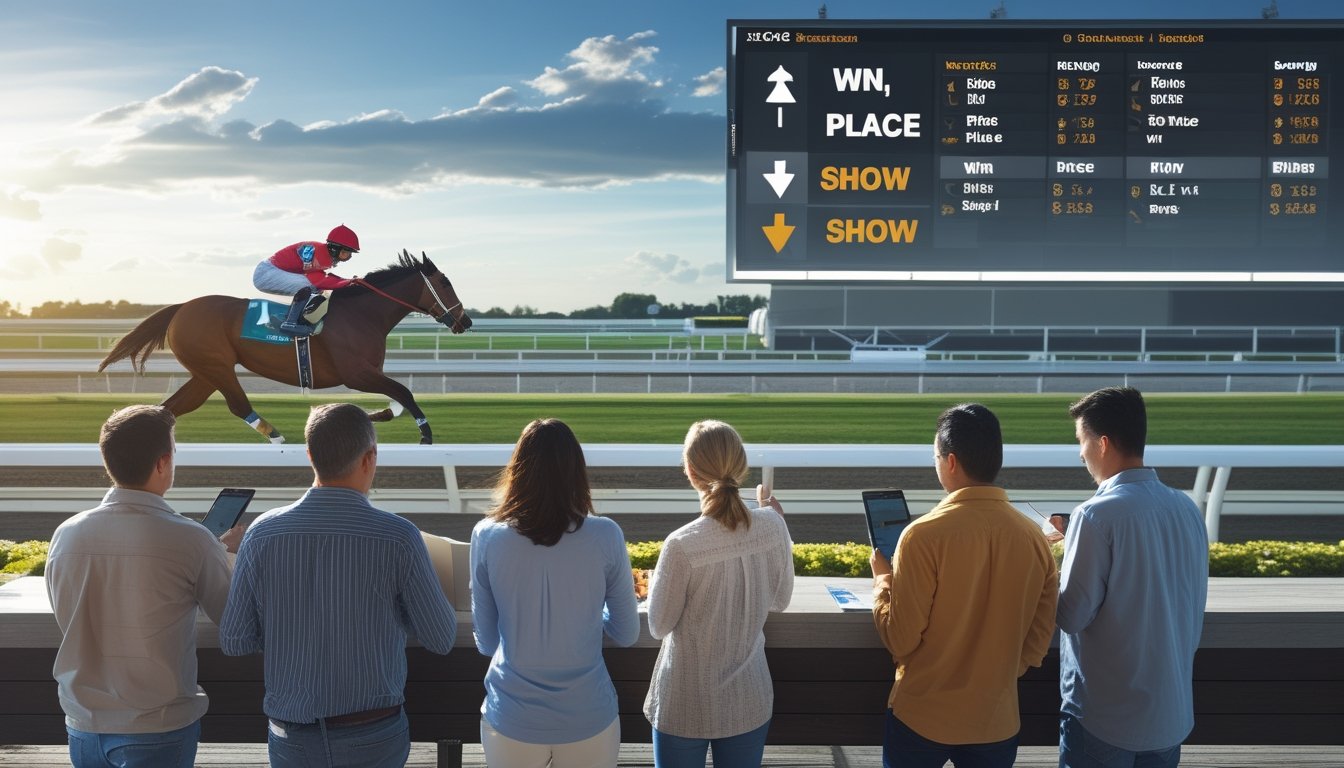
  • Win — you pick the horse that finishes first.
  • Place — you win if your horse finishes first or second.
  • Show — you win if your horse finishes first, second, or third.
    These are the simplest bets and carry the lowest complexity.

Exotic bets require more skill and offer higher payouts:

  • Exacta — pick first and second in exact order.
  • Quinella — pick first and second in any order.
  • Trifecta — pick first, second, third in exact order.
  • Superfecta — pick first through fourth in exact order.
    You can also place daily doubles, pick 3/4/6 across consecutive races, and box or wheeling options to cover multiple permutations. Use boxes to cover all orders and wheels to fix one position while varying others.

Key Terms Every Bettor Should Know

Learn the vocabulary that affects decisions and payouts:

  • Parimutuel — pool-based betting where betting pool minus takeout is split among winners.
  • Takeout — percentage the track keeps; it reduces your effective payout.
  • Favorite/Longshot — favorite has lowest odds; longshot has high odds and lower implied probability.
  • Morning line — a track’s opening odds estimate; the public can move them.
  • Scratch — a horse removed from a race; it can change pool distributions.
    These terms influence strategy and bankroll management.

Understand performance-specific words:

  • Handicap — assigned weight to equalize chances.
  • Claiming race — horses for sale at a specified price.
  • Form — a horse’s recent race results and times.
    Use form lines and program notes to judge fitness, class, and suitability to distance or surface.

How Odds Work in Horse Racing

Odds represent the amount returned on a winning stake and imply probability. In parimutuel betting, odds are dynamic: they change as money is wagered and reflect the final pool distribution after takeout.

Read odds formats correctly:

  • Fractional (e.g., 5/1) — you win 5 units for each 1 unit staked, plus your stake.
  • Decimal (e.g., 6.00) — total payout including stake; easier to compare across books.
  • American (+500 / -200) — positive shows profit on $100, negative shows amount needed to win $100.
    Calculate implied probability by dividing the denominator by the sum (fractional) or using 1/decimal for decimal odds. Compare implied probability to your assessment of the horse’s chance to find value.

5 Common Mistakes to Avoid in Horse Racing Betting

Focus on concrete, track-level factors, bankroll discipline, and realistic analysis. Small details—recent race times, rail bias, post position history—often determine whether a bet wins or loses.

Overlooking Horse Performance and Form

You must examine the horse’s last 3–5 starts, not just the most recent result. Look for consistent speed figures, finishing positions, and whether the horse improved under a particular jockey or trainer.
Pay attention to race class changes: dropping from allowance to claiming can signal easier competition, while a step up often reduces a horse’s win chances.
Check split times and closing speed when available. A horse that shows strong late fractions in similar distance races tends to maintain that edge.
Also review equipment changes and layoffs. Blinkers on/off, shoeing changes, or a long rest can materially affect performance and should alter your bet sizing or selection.

Ignoring Track and Weather Conditions

Track surface and condition directly affect performance; a horse that excels on fast dirt may falter on wet, muddy, or sloppy tracks.
Study each horse’s past results by surface and condition. Some horses have explicit “mudders” profiles; others lose multiple lengths on off tracks.
Factor in post position relative to track bias. Inside posts may be disadvantaged on tight turns when the rail favors speed.
Monitor the weather forecast and how it will change track conditions during the card. If rain is likely, adjust your selections to horses with proven off-track records and re-evaluate pace scenarios accordingly.

Chasing Losses After Bad Bets

Chasing losses destroys disciplined staking plans and increases long-term risk. When you lose, reassess the decision—was the research flawed or was variance the cause?
Set a session loss limit and stick to it. Decide in advance how much of your bankroll you will risk per day and per race to prevent emotional over-betting.
Use fixed-percentage staking or flat bets instead of raising sizes after losses. That method preserves capital and forces you to evaluate strategy rather than emotions.
Review losing bets objectively: record the rationale, outcome, and any missed factors. Learning from mistakes reduces repetition and improves future decision-making.

Common Pitfalls in Bankroll Management

You need concrete rules that protect your funds and keep emotions out of decisions. Focus on stake sizing, loss limits, and consistent record-keeping.

Betting Above Your Limits

Betting above your limits happens when you stake amounts that threaten your ability to continue after a losing streak. Set a fixed percentage of your active bankroll for single wagers — most disciplined bettors use between 1% and 3% per race. If you bet 2% on a $1,000 bankroll, your maximum wager is $20; that keeps losses manageable and prevents a single mistake from derailing your account.

Emotional swings often drive oversizing. When you chase a loss or overcommit after a win, you increase variance and risk ruin. Use automated bet sizing or pre-set wager slips on your platform to enforce limits and remove impulse decisions.

Lack of a Clear Staking Plan

A staking plan defines how much you bet relative to your bankroll and objectives. Choose a strategy that matches your risk tolerance: flat staking (same stake every race), percentage staking (stake = fixed % of bankroll), or graded staking (stake varies by confidence). Document the plan in writing and update it only after you review at predefined intervals, such as monthly or after a 10% bankroll change.

Without a written plan you make ad‑hoc bets that amplify losses. Track every bet in a simple table: date, race, stake, odds, result, and bankroll after the race. Review the table weekly to spot leaks — recurring poor bets, unsuitable bet types, or rules you consistently break.

The Importance of Research and Analysis

Good betting decisions come from checking hard data and comparing recent race conditions, not from wishful thinking. Focus on quantifiable performance, current form, and how specific variables like track surface and race distance affect outcomes.

Neglecting to Study Jockey and Trainer Statistics

You must track jockey and trainer performance across similar race types and surfaces. Look for metrics such as win rate over the past 90 days, strike rate in the same class, and return on investment (ROI) when pairing particular jockeys with specific trainers.

Create a simple table to compare critical figures:

Metric Why it matters
Jockey win % (90 days) Indicates current form and decision-making under pressure
Trainer win % (same distance/surface) Shows preparation success for that race profile
Jockey-trainer combo % Reveals established working relationships that boost performance
Recent top-3 finishes Captures consistency beyond isolated wins

Give weight to recent samples (last 30–90 days) over career totals. Small sample sizes can mislead, so combine percentages with the number of rides to avoid overvaluing flukes.

Relying Solely on Tips or Rumors

You should treat tips as starting points, not final answers. Verify every tip against race replays, sectional times, and official declarations before staking money.

Use a checklist before placing a bet:

  • Confirm horse fitness: recent gallops and vet notes.
  • Check race-day variables: track bias, rail draw, and likely pace scenario.
  • Cross-reference multiple tip sources and public betting percentages.

Avoid social media hearsay and late-breaking gossip without evidence. Public tips often reflect opinion rather than measurable advantage, and blindly following them increases your exposure to losing streaks.

Strategic Approaches for Successful Betting

Focus on repeatable rules, disciplined bankroll control, and extracting specific performance signals from race data. Prioritize measurable edges like pace figures, class drops, and track biases when placing bets.

Developing a Consistent Betting Strategy

Create a written plan that defines bet types, stake sizes, and entry criteria. For example: flat betting of 1.5%–3% of your bankroll per bet, strict limits on exotic wagers (no more than 20% of weekly stakes), and only backing horses meeting at least three predefined performance filters.

Use objective filters such as last three-race speed figures, trainer strike rate at the distance, and jockey win percentage. Combine filters with situational rules: avoid betting horses making first-time starts after long layoffs unless they have recent fast workout times.

Track every wager in a spreadsheet or app with columns for date, race, horse, odds, stake, result, and ROI. Review that log weekly and adjust only when a clear pattern shows your rules underperforming.

Reviewing Past Races to Inform Decisions

Watch full race replays, not just charts, to detect running style, trip issues, and finishing strength. Note whether a horse closed from far back due to traffic or ran on strongly in clean air; these details change how you value them in future pace scenarios.

Analyze finish margins, sectional times, and pace maps for the last four to six races. Record consistent class levels beaten and whether the horse improves or regresses off certain ground or track configurations.

Compare each horse’s recent form against today’s race shape: projected early speed, late closers, and how the course has played (favoring front-runners or closers). Use a short checklist before betting: trip context, tactical fit, class parity, and current odds value.

Responsible Gambling Practices

You should set a strict budget before you place any bets and treat it as non-negotiable. Use only money you can afford to lose and never chase losses to try to recover them.

Establish time limits for betting sessions and take regular breaks to avoid fatigue and impulsive decisions. Short, planned sessions help you stay focused and consistent.

Keep records of your wagers, outcomes, and rationale to identify patterns in your behavior and performance. Reviewing your history helps you spot tilt, overconfidence, or recurring mistakes.

Use available tools from licensed operators: deposit limits, loss limits, self-exclusion, and reality checks. These features give you concrete control and can prevent escalation.

Recognize signs of problem gambling: betting more than planned, neglecting responsibilities, or feeling anxious about money. If you notice these signs, seek help early.

Resources:

  • National helplines: call if you need immediate support.
  • Counseling and support groups: consider professional help for behavioral change.
  • Self-assessment tests: use them to gauge risk and adjust your approach.

Conclusion

You can reduce losses by avoiding the five common mistakes outlined earlier. Prioritize research, manage your bankroll, and remain disciplined in bet selection.

Keep records of your bets and review them regularly. Small adjustments to your strategy will compound into clearer patterns and better decisions.

Rely on data and observable form over tips or hunches. That practice reduces emotional betting and improves consistency.

Use stake limits and set a clear session plan before you start. Doing so protects your funds and helps you gamble responsibly.

Focus on continuous learning. The more you refine your process, the more predictable your outcomes become.

Strategi taruhan pacuan kuda

Cara Memilih Kuda Terbaik dalam Judi Pacuan Kuda untuk Meningkatkan Peluang Menang: Confident Strategies and Practical Criteria for Winning Picks

You can improve your chances by focusing on a few objective factors that consistently matter: the horse’s form, race class, recent times, and how well the jockey and trainer work together. Prioritize horses with consistent recent performances, favorable class drops or suitable upgrades, and strong jockey-trainer combinations to boost your likelihood of winning.

This article walks you through practical ways to evaluate pre-race conditions, analyze advanced selection signals, and shape a disciplined betting plan so you make smarter choices rather than guessing. Keep an eye on surface, distance suitability, and late-breaking information to turn insight into better bets.

Understanding Horse Racing Betting

You need to read odds, pick bet types that match your risk tolerance, and weigh horse, jockey, trainer, and track factors. Knowing how each element shapes payouts and probability lets you make more precise choices.

How Betting Odds Work

Odds translate the market’s view of a horse’s winning probability into a payout. Decimal odds show total return per unit staked (e.g., 4.0 means a $1 stake returns $4). Fractional odds show profit relative to stake (e.g., 3/1 returns $3 profit on $1). American odds use plus/minus format: +300 means $100 stake wins $300; -150 means you must stake $150 to win $100.

Odds change with betting volume; shorter odds mean more money backing the horse. Implied probability equals 1/decimal odds; compare implied probabilities across runners to spot value. Always factor in the bookmaker’s overround (the built-in margin) when assessing true value.

Types of Bets in Horse Racing

Straight bets are simplest and best for focused strategies: Win (horse finishes first), Place (first or second), and Show (first, second, or third). Exacta and quinella involve predicting the top two finishers; exacta requires order, quinella does not. Trifecta and superfecta require predicting top three or four in exact order and offer much higher payouts and greater variance.

Exotic bets let you cover more combinations using boxes or wheels, which increases cost but improves chance of hitting. Each wager type suits different bankroll strategies: use straight bets for steady play, and small exotic tickets for occasional high-upside plays. Keep unit-size consistent to measure performance.

Key Factors Affecting Outcomes

Horse form shows recent race results and fitness; prioritize consistent top finishes and recent racework times. Jockey skill matters: evaluate win percentage and past performance with the same horse. Trainer statistics reveal conditioning patterns and success with specific distances or track surfaces.

Track conditions (fast, good, yielding, heavy) and distance influence which horses perform well. Post position can affect inside or outside run strategies, especially in sprints. Monitor late scratches, equipment changes, and claiming conditions—each can materially shift a horse’s competitive profile and the race’s betting value.

Essential Criteria for Choosing the Best Horse

Focus on measurable data: past finishes, times, and how the horse performs on similar tracks and distances. Prioritize recent form, consistency, and proven ability at the race’s surface and distance.

Assessing Horse Performance Records

Review the horse’s career record by race type and class. Check win-place-show percentages, number of starts at graded stakes, and average finishing position. Higher-class performances (stakes or graded races) matter more than many wins in low-level claiming events.

Look at speed figures and times for comparable conditions. Compare Beyer/Speed ratings across the last 6–12 starts to detect improvement or decline. Consistent ratings near the race’s typical winners are a strong indicator.

Consider trainer and jockey combinations in the record. Horses frequently improving under the same trainer or pairing with a successful jockey show increased reliability. Note any patterns after layoff or equipment changes.

Evaluating Recent Race Results

Focus on the last 3–6 races to gauge current form. Fresh, competitive performances—especially recent wins or top-three finishes—signal readiness. A string of weak finishes without clear excuses suggests declining ability.

Examine finishing positions alongside context: pace scenario, traffic, and any in-race incidents. A close second in a fast-paced race can be more telling than a distant win in a slow-paced field. Look for upward trends in finishing margins and closing speed.

Account for layoffs and race frequency. Short layoffs with sharp works may indicate peak fitness; long layoffs without trial races raise concern. Multiple starts in a short span can mean fatigue unless the horse has a history of handling that schedule.

Analyzing Track and Distance Suitability

Match the horse’s past performances to the race’s surface (dirt, turf, synthetic) and specific track. Some horses show marked preference for one surface; prioritize those with wins or strong showings on the same surface. Local track quirks—turn radius, surface bias—matter for positioning.

Compare best times and sectional splits at the target distance. Horses that have recorded competitive times over the same distance or demonstrated effective stretch runs at similar trips are preferable. Stepping up or down in distance requires evidence of stamina or closing speed respectively.

Review running style vs. track bias. Front-runners benefit on speed-favoring tracks; closers need races that set up for late moves. Confirm jockey and trainer success at that track-distance combination for an added edge.

Evaluating Jockey and Trainer Influence

You should prioritize measurable records and recent form when judging jockeys and trainers. Look for consistent win rates, proven performance at the specific track and distance, and tactical styles that match the horse.

Jockey Experience and Track Record

Focus on jockeys with demonstrated success at the racecourse and over the distance you’re betting on. Check their win percentage over the past 90 days and career strike rate at the same class level; a jockey with a 15–20% strike rate in similar races offers tangible value compared to one with single-digit returns.

Assess race-day behavior: note whether the jockey is known for front-running, stalking, or timing late bursts. Choose jockeys whose riding style complements the horse’s preferred running style. Review recent head-to-heads against other top riders; winning against higher-rated peers signals tactical advantage.

Factor in partnerships: jockeys who have frequent mounts for a particular trainer often produce better results because of shared routines and trust. Also consider fitness and suspensions — a jockey returning from a long layoff or serving penalty rides may underperform despite reputation.

Trainer Reputation and Techniques

Evaluate trainers by stable strike rate, especially at the track and for the race distance. Compare seasonal strike rate, 30-, 60-, and 90-day form, and percentage of horses improving second-up. Prioritize trainers who historically prepare horses to peak on race day rather than those with sporadic spikes.

Examine training patterns and specialties: some trainers optimize for sprints, others for staying trips or specific surfaces (turf, dirt, synthetic). Match the trainer’s specialty to the horse’s profile. Look at barrier trial frequency and whether the trainer favors short, sharp work or extended gallops; these choices influence fitness and race temperament.

Use class-move data and stable depth: trainers stepping horses up or down in class often indicate confidence levels. Trainers who consistently place multiple runners in a race may manage entries strategically, so weigh stable jockey choices and declared tactics when you decide.

Analyzing Pre-Race Conditions

You should focus on measurable track variables and objective signs of a horse’s fitness. Use specific observations and recent data to adjust your selection and wagering strategy.

Track Conditions and Weather Impact

Check the official track rating (fast, good, sloppy, yielding) and recent maintenance logs for the last 24–48 hours. Pay attention to rainfall totals, drainage speed, and whether the surface was harrowed or packed after rain; these changes alter how certain running styles perform.

Scan horse past performances for results on comparable surfaces and similar track bias. Note horses that show consistent speed on sloppy tracks versus those whose times drop; prefer horses with top-three finishes on the same surface type within the last six starts.

Consider wind direction and temperature at post time. A strong headwind favors inside or more protected paths; extreme heat can reduce performance for late-running horses. Adjust expectations for pace and finishing kick when environmental stressors are present.

Horse Health and Fitness Indicators

Observe the horse in the paddock and during warm-up for alertness, even breathing, and a smooth gait. Look for tension, coughing, tail swishing, or irregular stride length—these signs often correlate with subpar race-day performance.

Review recent workout times and breeze notes from the last 7–21 days. Fast, controlled timed workouts at similar distances signal readiness; declining times or erratic splits suggest fitness or training issues. Cross-check for equipment changes (blinkers, tongue tie) that may alter behavior.

Check race-day veterinary and steward reports for bleeders, medication disclosures, or scratch reasons. Use consistent metrics: resting respiratory rate if available, weight changes, and recovery time after workouts. Prioritize horses that show stable clinical signs and progressive, timed fitness improvements.

Advanced Horse Selection Strategies

Focus on actionable signals you can check quickly: expert tips tied to recent race outcomes, odds shifts that reflect money movement, and specific statistical tools that reveal form, pace, and value.

Using Professional Tips and Predictions

Professional tips often come from trainers, jockeys, and tipsters who track stable movements and workouts. Give weight to tips that cite recent gallops, late changes in gear, or trainer-jockey combinations that have produced wins in similar conditions.

Verify tips against objective facts. Check last three race times, surface preference, and any equipment changes mentioned. Prefer sources that disclose reasoning (e.g., “trainer reported improved sprint work on turf”) rather than vague endorsements.

Track tipster performance over a defined period. Use a simple table to compare tip sources:

Tipster Accuracy (30d) ROI (30d) Typical rationale
Tipster A 42% +8% Trainer form, track gallops
Tipster B 34% -5% Jockey picks, insider notes

Combine tips with your data checks; ignore tips that conflict with clear form indicators.

Interpreting Betting Market Movements

Odds movement reflects where money and information concentrate. You must watch early market odds, late drift, and any sharp shortening within an hour of post time.

Identify sharp money by sudden, large odds drops across multiple bookmakers. That suggests professional bettors or insiders backing a horse. Contrast that with isolated shortening at one book; that often indicates promotional or recreational money.

Pay attention to exchange volumes and lay/bid spreads. High matched volume on a horse with shortening odds increases the reliability of the signal. Use a quick checklist before staking:

  • Odds drop >20% in last 60 minutes? Consider upgrade.
  • Matched volume in top exchanges above median? Trust move more.
  • Market divided with no clear favorite? Look for value overlays.

Statistical Analysis Tools

Use form-based models that include finishing times, sectional times, weight carried, and draw bias. Build or use models that weight recent runs heavier and adjust for track condition.

Key metrics to include:

  • Speed figure standardized to track and class.
  • Pace projection to see if the horse’s running style fits the race.
  • Trainer/jockey win strike rates at this distance and surface.

Leverage software or spreadsheets for regression or Elo-style ratings. Validate your model with backtests over at least 6 months. Keep metrics simple and transparent:

  1. Compute a composite score from speed, class, and pace.
  2. Rank entrants by score and flag those with odds higher than implied value.
  3. Reassess live market moves to update implied probabilities.

Use visualization—charts for historical speed progression and heatmaps for draw bias—to spot patterns quickly.

Managing Your Betting Strategy

Set a clear, fixed amount you can lose without affecting bills or savings. Break that amount into consistent units and plan how many races you’ll play with those units before you start.

Budgeting and Bankroll Management

Decide your total bankroll for a session or week and record it in a simple table you update after each race.

  • Bankroll size: Assign a dollar amount you can afford to lose.
  • Unit size: Define a unit as 1–2% of your bankroll for conservative play, 3–5% for more aggressive play.
  • Stake plan: Limit single-race exposure to 1–3 units; avoid risking more than 10% of your bankroll on one race.

Track every bet and result in a spreadsheet with columns: Date, Race, Horse, Bet Type, Units Staked, Odds, Outcome, Profit/Loss. Stop if losses exceed a preset threshold (for example, 15–25% of bankroll in one session). Recalculate unit size whenever your bankroll changes by ±20%.

Avoiding Common Mistakes

Avoid chasing losses, betting on impulse, and overbetting favorites based on emotion rather than value.

  • Chasing losses: If you lose several races, reduce unit size or pause. Doubling stakes typically magnifies losses.
  • Bet variety discipline: Stick to bet types you understand; exotic bets can offer big payouts but require smaller, controlled exposure.
  • Information hygiene: Rely on verifiable data—recent form, track condition, jockey changes—not tips from untracked sources.

Use a preset checklist before each wager: bankroll impact, expected value at given odds, and maximum portfolio exposure. If a bet fails to meet all three checks, skip it.

Staying Informed for Long-Term Success

Remain disciplined about tracking horse performance data, trainer changes, and race conditions so your choices reflect current realities. Prioritize sources that provide verifiable statistics and direct industry updates.

Continuing Research and Learning

Keep a structured reading list: handicapping guides, veterinary journals, and race-day programs. Focus on items that show measurable impacts—speed figures, stride length studies, and injury recovery timelines—so you can compare horses on consistent metrics.

Attend local race days and observe warm-ups, tack choices, and barn behavior. Take notes on how favored trainers manage entries and how horses respond to different surfaces. These firsthand observations often reveal patterns not visible in raw stats.

Use targeted tools: database subscriptions for historical form, apps for live timing, and spreadsheets for your own models. Update your models after each race weekend, tracking which variables most consistently predict finishes.

Talk to professionals selectively: exercise riders, stable hands, and veteran bettors. Ask specific questions about training intensity, feeding changes, or equipment tweaks. Treat anecdotal information as one input among quantified data.

Adapting to Industry Trends

Monitor shifts in medication rules, surface maintenance practices, and race scheduling that affect performance. Regulatory changes—such as banned substances or adjusted allowable medications—can quickly alter which horses perform well.

Track breeding and sale trends to spot emerging sire lines that perform on certain distances or surfaces. When a bloodline shows increased win rates, adjust your selection weights for horses from that lineage.

Follow technology adoption: high-speed cameras, GPS tracking, and biometric data from wearables. Incorporate new metrics into your evaluation only after validating them against historical outcomes.

Adjust bankroll and bet types as the market evolves. If faster early fractions become common, favor horses with proven closing speed or shift to bets that protect capital while exploiting new inefficiencies.

Taruhan pacuan kuda

Strategi Sukses Menang di Judi Pacuan Kuda: Expert Tips and Practical Race-Day Strategies

You can improve your chances at horse racing by combining solid research, disciplined bankroll control, and tactics trusted by industry pros. Focus on studying form, track conditions, and trainer-jockey patterns, then size your bets with strict limits to protect your stake while exploiting value bets.

This article walks through how to assess race variables, apply expert-endorsed strategies, and avoid common pitfalls so you can make smarter, consistent decisions. Expect practical tips on risk management, advanced techniques for maximizing profit, and the legal and ethical points you must keep in mind.

Understanding Horse Racing Betting

You will learn which bet types move the odds, how race formats affect strategy, and which terms you must know to place informed wagers.

Types of Horse Racing Bets

Single-win bets pay only if your chosen horse finishes first. Place bets return money if the horse finishes first or second; show bets pay for first, second, or third. Exacta and trifecta bets require you to pick the precise finishing order for two or three horses respectively, offering higher payouts but higher difficulty.

Boxing an exacta or trifecta lets you cover multiple order combinations; your cost increases with the number of combinations. Quinella requires the top two horses in any order. Daily doubles and pick-3/pick-4 wagers link winners across consecutive races and typically offer larger payoffs due to compounded difficulty.

Understand pari-mutuel pools: payouts depend on the total pool minus takeout and the number of winning tickets. Fixed-odds betting exists at some tracks and off-track betting (OTB) outlets; payouts are agreed when you place the bet.

Race Formats and Rules

Flat races occur on level tracks over distances from about 5 furlongs (1,000 m) to 2 miles (3,200 m). You need to factor sprint versus route distances because horses often specialize in short or long distances. Jump races (steeplechase) include obstacles and favor stamina and jumping ability over raw speed.

Surface matters: dirt favors early speed and kickback resilience; turf rewards balance and acceleration; synthetic tracks often produce more uniform times. Conditions such as “fast,” “good,” “soft,” or “heavy” affect times and favor different running styles. Weight assignments and handicap races aim to equalize chances by adding or subtracting pounds; higher weight generally slows a horse over distance.

Post position influences early positioning; inside posts help in shorter sprints, while outside posts can benefit deep closers in longer races. Stewards enforce rules on interference; disqualifications can change official placings and payouts.

Key Terms and Definitions

Pari-mutuel: pooled betting where odds and payouts are set by the pool after wagers and takeout. Takeout: the percentage the track or state removes from the pool before payouts—typically 15–30%. Morning line: the track handicapper’s projected odds used as a betting guide before wagering opens.

Odds: expressed as fractions or decimals; they indicate potential return relative to stake. Favorite: the horse with lowest odds; upset: a win by a horse with significantly higher odds than the favorite. Speed figure: a numeric rating of a horse’s past performance adjusted for track and distance; higher is generally better.

Form: past performance lines showing finishes, distances, track conditions, and jockey/trainer. Claiming race: horses available for purchase at a stated price, which can indicate class level. Workout: timed training gallops used to assess fitness and readiness.

Expert Endorsed Winning Strategies

Focus on measurable factors: past race times, sectional splits, track conditions, and rider-horse synergy. Combine those with a disciplined betting plan and basic statistical tools to improve decision quality.

Analyzing Past Race Performance

Track recent race charts for each horse over the last 6–12 starts, prioritizing races at the same distance and surface. Note finishing position, margins beaten or won by, and any change in pace throughout the race.
Record official times and, when available, sectional splits (early, middle, late furlongs). Faster late splits can signal a strong finishing kick; slow early splits followed by a speed surge often fail against consistent pacers.

Adjust for race class and weight carried. A horse stepping up from allowance to stakes may post slower relative times even if improving. Mark any consistent pattern: front-runner, stalker, or closer, and compare that pattern to expected race pace.

Factor in recovery and frequency of runs. Horses running every 7–14 days often show fatigue; look for improved performance after a short break. Use a simple spreadsheet to log these variables for each contender to spot trends quickly.

Importance of Horse and Jockey Compatibility

Review head-to-head records between horse and jockey for the last 12 months. Jockey familiarity often reduces errors in positioning and timing; a rider who improved a horse’s win percent by 10–20% in prior mounts is valuable.
Consider riding style: aggressive tack riders suit front-running horses; patient riders help deep closers. Match expected race tempo to the jockey’s typical approach.

Include jockey success rate at the specific track and distance. Some riders have measurable track-specific advantages due to course knowledge. Also check recent mount changes: a new jockey often indicates trainer strategy shifts—note whether performance improved after similar changes.

Assess communication and equipment changes that affect compatibility. Blinkers, tongue ties, and gear adjustments can change a horse’s responsiveness to a rider. When possible, prefer pairs with demonstrated positive outcomes under similar race conditions.

Formulating a Consistent Betting System

Define stake size and risk limits before you bet; use a percentage of bankroll (commonly 1–3%) rather than fixed sums. This prevents rapid depletion and helps you evaluate strategy performance over time.
Choose bet types aligned with your edge: win/place bets for single-horse confidence, exactas/trifectas when you have strong top-two or top-three projections. Limit exotic bets to no more than 5–10% of your bankroll unless you have a proven model.

Set clear entry criteria: minimum speed figure, jockey-track win rate, and trainer form threshold. Use a simple decision checklist to avoid emotional bets. Track every wager’s rationale and outcome in a ledger to refine rules.

Apply stop-loss and review points monthly. If your win rate or ROI drops beyond predetermined limits, pause and analyze data rather than escalating stakes. Consistency beats spontaneity in long-term betting.

Utilizing Statistical Models

Start with basic logistic regression or ranking models using variables like speed figures, recent finishes, weight carried, and jockey win rate. These models estimate win probabilities and highlight undervalued horses.
Use historical data to train and validate models: split data into training and test sets and measure calibration (predicted vs actual win rates). Prioritize models that predict finishing order well, not just winners.

Incorporate advanced features sparingly: pace-adjusted speed, track bias indicators, and interaction terms (e.g., jockey×horse experience). Overfitting is a common trap—keep models parsimonious and test on out-of-sample races.

Translate model outputs into actionable bets by comparing model-implied odds to bookmakers’ odds. Bet when model probability exceeds implied probability by a margin that covers vig and provides positive expected value.

Risk Management and Bankroll Control

You will set clear money boundaries, allocate funds by session and strategy, and prepare specific actions for losing streaks. These are practical, numeric controls you apply before you bet.

Setting Betting Limits

Decide a fixed bankroll for horse racing that you can afford to lose, expressed in a single number — for example, $1,200 for a month. Break that bankroll into session units (e.g., $100 per race day) and per-bet units (commonly 1–3% of the total bankroll); at 2% on $1,200 you risk $24 per bet.

Use a hard stop-loss rule: stop playing for the day after losing a predefined amount, such as 25% of your session unit ($25 on a $100 day). Also set a take-profit level (e.g., +50% of session unit) to lock gains. Record every bet with stake, odds, rationale, and result to spot patterns that break rules.

Allocating Funds Strategically

Split your bankroll into purpose-driven pockets: short-term betting ($800), research and tools ($200), and reserve cash ($200). Within short-term betting, allocate by race type — for example, maiden races 30% of the short-term pool, handicaps 50%, and feature stakes 20%.

Match stake sizes to expected edge and volatility. For a 5% edge at standard odds, keep stakes small (1–2% of total bankroll). Increase stake only when you have repeatable edge evidence (three independent wins with the same model or angle). Use a simple spreadsheet or staking table to track allocations and enforce changes only when predefined criteria are met.

Handling Losing Streaks

Define a losing-streak threshold that triggers a pause, such as five consecutive losing bets or a 20% drawdown of your session unit. When triggered, stop betting immediately and perform a focused review: check bet records, confirm your selection criteria, and test for external changes like scratches or track bias shifts.

If losses persist after review, reduce stakes to half or shift to lower-volatility races (short fields, favorite-inclined tracks) until performance stabilizes. Rebuild confidence with simulated bets or small real stakes that follow your documented edge. Only restore full stakes after meeting objective recovery criteria, for example, three profitable sessions that meet your ROI target.

Researching Race Variables

Track surface, horse condition, and weather change how races unfold. Focus on measurable details: track rating, recent workout times, and forecasted precipitation.

Understanding Track Conditions

You must read the official track rating (fast, good, yielding, soft) for the specific course and race distance. Those ratings directly affect which horses perform best — sprinters favor a fast dirt, while stamina types handle yielding turf better.

Check the bias: examine the last 10 race charts for inside vs. outside winners and average winning times. Note maintenance activities such as harrowings or watering; a freshly harrowed dirt track can favor early speed.

Use a short checklist before betting:

  • Race distance and surface type
  • Official track rating that day
  • Recent winner locations (inside/outside)
  • Any overnight maintenance reports

Combine those items with each horse’s past performance on similar conditions to adjust expected finishing order.

Evaluating Horse Fitness

Look at recent workouts measured in furlong splits and breeze figures. A horse that clocked consistent bullet or solid workouts within 7–14 days generally arrives race-ready.

Compare races since the last layoff: two shorter prep races often trump a single long breeze. Pay attention to race shape in those starts — did the horse finish strongly or fade late? Weak finishes after a fast pace signal a fitness concern.

Also review veterinary scratches, equipment changes (blinkers, tongue tie), and jockey changes. Those specifics often indicate targeted campaigns or attempts to address a recent issue.

Considering Weather Impacts

Check the hourly forecast for the track location and expected ground temperatures. Rain amounts convert directly to track changes; 0.2–0.5 inches may make a dirt track muddy, 1+ inches often produces heavy or sloppy conditions.

Match each horse’s past performance on wet or windy days. Some horses have “mud” or “good on yielding turf” tags in form lines — prioritize those when rain is likely.

Use a quick impact table to weigh weather effects:

Weather factor Immediate effect What to check
Light rain Slightly slower times Last races on “good” vs “yielding”
Heavy rain Sloppy/muddy dirt Mudders’ past wins
Strong wind Bias to inside or closers Pace collapse in past races

Adjust your stake size if the forecast increases uncertainty.

Leveraging Insights from Industry Experts

You will gain actionable edges by studying what professional tipsters publish and by tracking trainer and owner records. Focus on patterns that consistently produce returns, not on single-race hype.

Learning from Professional Tipsters

Follow tipsters with verifiable track records over at least 12 months and 200+ selections. Prioritize those who publish full staking plans, ROI figures, and long-form reasoning for each pick. Ignore anonymous hot-take posts without data.

Use a simple checklist when evaluating a tipster:

  • Past ROI and strike rate (monthly and annual).
  • Sample size and transparency of bets.
  • Whether they adjust for course, distance, and going.

Copy tipsters selectively. Match their picks to your bankroll and preferred race types. Log each tip you follow—date, stake, result—and review monthly to spot which tipsters actually help your profit.

Incorporating Trainer and Owner Data

Collect trainer and owner stats specific to course, distance, and surface rather than relying on overall win percentages. Track these metrics:

  • Trainer win% last 90 days at the course.
  • Trainer strike rate with first-time blinkers or equipment changes.
  • Owner investment patterns (frequency of sending to certain trainers).

Cross-reference jockey assignments and stable form. A trainer-jockey duo with a recent high ROI is more predictive than either alone. Use a compact table to compare entries:

Metric Why it matters Action
Trainer course win% Shows local expertise Favor horses with >15%
Recent first-time equipment Can change performance quickly Note horses with positive history
Owner sending patterns Indicates resource commitment Weight horses from active owners

Adjust stakes based on consistency: raise stakes for repeat trainer success at the exact conditions, lower them for one-off patterns.

Common Pitfalls to Avoid in Horse Racing Betting

You will reduce losses and spot better opportunities by correcting predictable mistakes that erode bankrolls. Focus on market behavior and emotional discipline to maintain consistent results.

Ignoring Market Movements

Watch odds shifts from opening to post time; they reveal where money and information flow. If a horse shortens significantly, syndicate backing or late track reports might be at play.
Conversely, horses drifting out can indicate veterinary issues, jockey changes, or insider money leaving. Compare bookmaker odds with exchange prices and multiple books to see meaningful divergence.

Use volume indicators on betting exchanges and note which runners attract heavy lay or back interest. Track historical late-money patterns for trainers and jockeys you follow.
Avoid fixed-opinion betting: if the market consistently moves against you, reassess your selection or stake size rather than forcing the original bet.

Betting Based on Emotions

Separate loyalty and revenge bets from analytic decisions. Backing a favorite because you like the silks or punishing a poor past result leads to predictable overdrawing of your bankroll.
Set stake limits and use a staking plan tied to objective edge estimates, not how confident you feel after watching replays.

Implement cooling-off rules: no bets for an hour after a losing streak or big win. Record the reason for each wager and review outcomes weekly to spot emotional patterns.
If you notice tilt behavior, reduce stakes or switch to smaller markets until discipline returns.

Maximizing Profits with Advanced Techniques

Focus your stake allocation and bet structure to protect capital and exploit pricing inefficiencies. Use clear rules for combining bets and deliberate timing to capture value when market odds shift.

Combining Multiple Bets

Combine bets strategically to balance risk and reward rather than chasing big payouts. Use a tiered approach: small, frequent win/place bets on favorites to preserve bankroll; medium each-way or exacta bets for calculated upside; and a few larger exotic bets when edge is clear.
Use stake sizing guidelines: 1–2% of bankroll on low-edge favorites, 3–5% on medium-value sings, and no more than 10% total exposure on long-shot exotics.

Mix bet types that complement each other. For example:

  • Win/place on the likely leader + small exacta box including a secondary contender.
  • Quinella for two close horses + a low-stake trifecta with a banker.
    This reduces variance while retaining asymmetric upside.

Track correlations across races. Avoid overlapping exposures (same jockey/trainer combinations across multiple horses) unless you deliberately want correlated outcomes. Use simple spreadsheets to model payout scenarios and capped loss per race.

Timing Your Bets for Higher Value

Place bets when market inefficiencies exist, not when odds are stable. Early markets often offer soft prices on less-known imports or horses returning from layoff; late markets shift with insider money and scratchings. Decide which window fits your edge and stick to it.
Monitor market moves 30–90 minutes before post for jockey changes and betting swings. A sudden 20–30% drop in odds often signals informed money; consider increasing stake modestly if your selection still fits your criteria.

Use sportsbook variance to your advantage. If two books show diverging odds, hedge or middle between them to lock profit. Set automated alerts for odds thresholds and use pre-defined rules to act quickly rather than guessing under pressure.

Legal and Ethical Considerations

You must verify local laws before placing any bets, because gambling regulations differ by country and region. Licensing, age restrictions, and permitted betting formats vary and carry legal consequences if ignored.

Follow racetrack and betting-site rules to avoid penalties or disqualification. Licensed operators publish terms that govern betting limits, payouts, and dispute procedures; read them carefully.

Respect horse welfare and avoid supporting cruel practices. Unethical behavior—such as drugging, overtraining, or race-fixing—harms animals and can lead to criminal charges for anyone involved.

Keep accurate records of your wagers and bankroll to maintain responsible play. Set loss limits, time limits, and sticking points; these practical controls reduce financial harm and promote long-term enjoyment.

Understand tax obligations on winnings in your jurisdiction and report income where required. Failure to declare taxable gambling income can trigger fines or audits.

If you suspect illegal activity or animal abuse, report it to track authorities or relevant regulators immediately. Prompt reporting protects horses, other bettors, and the integrity of the sport.

Ethically, avoid exploiting insider information you obtain through illicit means. Using stolen or privileged information to gain an advantage can expose you to legal action and damage reputations.

Use reputable, licensed betting platforms and verify their certification. Check for independent audits, responsible-gambling tools, and clear customer-support channels before you commit funds.

Conclusion

You can apply expert strategies while keeping risk management central. Prioritize bankroll rules, disciplined staking, and realistic expectations to protect your funds.

Use a mix of data and observation when evaluating horses. Combine form, track conditions, jockey and trainer stats, then adjust for race-day variables.

Keep records of your bets and review them regularly. Tracking outcomes reveals strengths and weaknesses in your approach and helps refine future choices.

Practice selective betting rather than chasing action. Focus on value opportunities and avoid overbetting on favorites without clear edge.

Stay adaptable as conditions change. Markets shift, weather affects performance, and new information can alter probabilities quickly.

Consider tools that support your process: databases, pace models, and simple spreadsheets improve consistency. Use them to test hypotheses before risking more capital.

Maintain emotional control during winning and losing streaks. Consistent behavior preserves long-term decision quality and prevents impulsive escalation.

Treat learning as ongoing. Study expert commentary, revisit past races, and update your methods based on evidence. Your skills will improve incrementally with disciplined practice.

Bold moves should be calculated, not reactionary. When you identify genuine value, size bets proportionally; otherwise, conserve resources for better opportunities.

Situs judi pacuan kuda terpercaya

Panduan Lengkap Judi Pacuan Kuda Terbaik: Cara Memilih Taruhan yang Menguntungkan — Expert Strategies and Practical Tips

You want to win more often at horse racing without relying on luck alone. This guide shows practical ways to choose profitable bets, compare bet types, and spot value odds so you can make smarter staking decisions. Focus on value — find bets where the payout exceeds the true probability, and you immediately improve your long-term results.

You will learn how to read form, use simple strategies to tilt the odds in your favor, pick reliable betting sites, and avoid common mistakes that eat your bankroll. Expect clear, actionable steps and a balanced look at responsible gambling and emerging online trends so you can act with confidence.

Understanding Horse Racing Betting

You will learn the core mechanics, common bet types, and essential terms that let you evaluate races and place informed wagers. Focus on how odds, payouts, and race conditions affect your expected return.

Basics of Horse Racing

Horse races vary by distance, surface, and class. Distances range from sprints (~5–7 furlongs) to routes (1 mile+); surfaces include dirt, turf, and synthetic. Class levels (maiden, allowance, claiming, stakes) signal competition strength and help you compare form.

Study a horse’s recent finishes, pace figures, and trainer/jockey stats. Track bias, weather, and post position matter: inside draws can favor short tracks, while wet turf may benefit turf-specialist runners. Watch scratch and defection patterns on race day.

Bankroll management matters: set unit sizes and limits per race. Use consistent staking (e.g., 1–2% of your bankroll per bet) to reduce volatility and preserve capital through losing streaks.

How Horse Racing Bets Work

Win, place, and show are straightforward: win pays if the horse finishes first; place pays for first or second; show pays for first, second, or third. Exotic bets—exacta, trifecta, superfecta—require you to predict multiple finishing positions and pay larger pools.

Bet payouts derive from pari-mutuel pools, not fixed odds. The track takes a commission (takeout), then divides the remaining pool among winning tickets. Your payout equals your share of the pool multiplied by your stake.

Bet types you should know:

  • Win/Place/Show (single-horse)
  • Exacta/Quinella (top two order matters or not)
  • Trifecta/Superfecta (top three/four in exact order)
  • Daily Double/Pick 3/Pick 6 (sequence bets across races)
    Use boxes and wheels to cover combinations while controlling cost; calculate combinations before wagering to avoid surprises.

Key Terminology in Horse Racing Betting

Odds: represent the market’s view and determine payout; expressed as fractions (5/1) or decimals (6.00). Parimutuel return = (pool – takeout) / winning shares. Morning line odds are the track handicapper’s projection, not final payouts.

Form figures: past performance shorthand (e.g., “3-1-2”) shows finishes. Speed figures quantify performance adjusted for track conditions; higher is better. Pace denotes early speed; a contested pace can set up closers, while slow early fractions favor front-runners.

Other terms to know:

  • Scratched: removed from the race
  • Stewards’ inquiry: potential result change after review
  • Blinkers: equipment that limits peripheral vision
  • Claiming race: any starter may be purchased for a set price
    Understanding these terms helps you read past performances and spot wagering edges.

Types of Bets in Horse Racing

You will encounter simple single-horse bets, multi-horse combinations, and system/accumulator wagers that change risk and payout profiles. Focus on odds, payout formulas, and how each bet fits your bankroll and risk tolerance.

Win, Place, and Show Bets

A Win bet pays only if your selected horse finishes first. This bet gives the highest payout for a single-horse stake because it has the lowest probability of success.

A Place bet pays if your horse finishes first or second. Payouts are lower than Win but more consistent; use Place when you want a higher chance of return with reduced reward.

A Show bet pays if your horse finishes first, second, or third. Expect the smallest payout per unit staked, but the highest probability of a return. These bets suit conservative staking and short-term bankroll preservation.

Exotic Bets: Exacta, Trifecta, and Superfecta

Exacta requires you to pick the first two finishers in exact order. Payouts are substantially larger than Win/Place/Show because the order requirement increases difficulty. Consider box Exactas to cover order permutations; this raises cost but improves chances.

Trifecta asks you to name the first three finishers in exact order. Use boxed Trifectas or wheel strategies to balance cost and coverage. Payouts can be large, especially in fields with many runners and a clear longshot.

Superfecta demands the first four finishers in exact order. This bet often yields very high returns for small stakes. Use Superfecta sparingly and only with strong form data or a structured box/wheel to manage stake size and probability.

Accumulator and System Bets

An Accumulator (parlay) links multiple individual bets—typically Win bets—so every selection must win for the ticket to pay. Payouts compound across legs, producing much higher returns and much higher risk. Use short accumulators (2–4 legs) to limit variance.

System bets let you combine selections into multiple combinations with partial-leg coverage. For example, a “2 from 3” system generates multiple two-leg bets from three selections. Systems reduce all-or-nothing risk but increase total stake. They fit bettors who want exposure to multiple outcomes while controlling maximum loss.

Use clear staking plans and record results for accumulators and systems to measure expected value and edge over time.

How to Choose Profitable Horse Racing Bets

Focus on measurable factors: horse form, jockey performance, track surface and condition, and the exact payout structure. Use these when sizing bets and selecting bet types like win, place, or exacta.

Researching Horse and Jockey Statistics

Look at the last 6 starts for the horse: finishing position, class of race, and any equipment changes such as blinkers. Prioritize horses that finished in the top three at least 50% of those starts, or that show improving speed figures (e.g., Beyer, BRIS) across recent races.

Assess the jockey by rides in the last 30 days at the same track and distance. Note win rate, in-the-money percentage, and chemistry with the trainer and horse — a jockey who has ridden the horse to a win or strong finish before often produces repeat performance. Maintain a short checklist:

  • Recent speed figures: rising trend
  • Top-three frequency: ≥50% desirable
  • Trainer/jockey combo: past success together
    Use data services and past-performance charts to confirm these items before placing a bet.

Analyzing Track Conditions

Identify surface type (dirt, turf, synthetic) and recent bias — some tracks favor front-runners, others closers. Check the official going description (fast, good, yielding, soft) and compare the horse’s past results on identical surfaces and conditions.

Adjust expectations for weather changes: rain before race day can turn a firm turf into soft, favoring horses with prior soft-ground wins. Create a quick matrix:

  • Surface match? Yes/No
  • Condition history (last 5 races): record on similar going
  • Running style fit: early speed vs. late closer
    If a horse lacks clear experience on the day’s surface or in similar conditions, downgrade its probability and wager size accordingly.

Evaluating Odds and Payouts

Convert odds to implied probability to spot value: Implied probability = 1 / (decimal odds). Compare that to your estimated probability from form and conditions. Bet only when your estimated chance exceeds the implied probability by a margin you set (e.g., 10 percentage points).

Choose bet types that match your confidence level. Use single bets (win/place) for moderate confidence; use exactas/trifectas/quinellas for targeted higher payouts but smaller stake sizes. Keep a unit-sizing plan: stake 1–3 units on favorites with clear edge, 0.25–1 units on longer shots with conditional value. Track ROI by logging stake, odds, and outcome after each race to refine your implied-probability thresholds.

Strategies for Increasing Your Chances

You will focus on managing your stake, spotting bets where profit exceeds implied risk, and choosing the best moment to place wagers. Practical rules and simple calculations will guide daily decisions.

Bankroll Management Techniques

Set a fixed bankroll and separate it from personal funds. Use a staking plan like flat betting (1–2% per race) or proportional betting (bet size = bankroll × chosen percentage) to limit losses.

Track every wager in a spreadsheet: date, race, stake, odds, result, and ROI. Review monthly to adjust your percentage after wins or drawdowns. Avoid chasing losses; if you hit a 20–30% drawdown, reduce stake size by half until you recover.

Use stop-loss and stop-win rules. Example: stop after a 10% session loss or when you hit a 15% profit target. Keep reserves for variance—maintain at least 20–30 times your usual stake to survive losing streaks.

Identifying Value Bets

Calculate implied probability: implied % = 100 / decimal odds. Compare to your estimated probability. A value bet exists when your estimate exceeds the implied probability by a margin (e.g., 5 percentage points).

Build an objective model using form indicators: recent finishing positions, track condition performance, jockey-trainer combinations, and class drops. Weight factors based on historical correlation with wins; test the model over past races to measure hit rate and ROI.

Shop odds across bookmakers and exchanges. If two books differ, take the higher odds for the same horse. Use a simple value checklist: odds vs. model %, recent speed figures, and equipment changes (blinkers, shoeing). Bet only when at least two checklist items support value.

Timing Your Bets

Place early bets to secure high odds when markets underreact to late information. Early odds often reflect baseline probabilities before scratches and late jockey switches.

Monitor market movement up to post time. Significant drift typically signals insider activity or late negative information; a steady or shortening price indicates market confidence. If odds shorten sharply without public news, you may avoid that horse unless your model justifies the change.

Use late information to your advantage: jockey changes, barrier draws, and track upgrades can flip value quickly. For multi-race strategies, stagger stakes—commit a portion early and the remainder after final confirmations to balance price and information.

Selecting the Best Horse Racing Betting Sites

Focus on safety, transparent pricing, and a fast, intuitive interface. Prioritize licensed operators, clear bonus terms, and mobile-first design so you can bet confidently and quickly.

Licensing and Reputation

Verify the operator’s license number and regulator — look for entities like the UK Gambling Commission, Malta Gaming Authority, or Isle of Man Gambling Supervision Commission. These regulators enforce player protections, dispute resolution, and audited payout processes.

Check independent review sites and recent user complaints to gauge reliability. Pay attention to complaint resolution rates, patterns of delayed withdrawals, or unexplained account closures.

Confirm the site publishes audited RTP or payout statistics for horse markets where available. A transparent history of large payouts and consistent odds movement indicates market integrity.

Look for visible responsible gambling tools: deposit limits, self-exclusion, and links to support services. These features reflect a platform that follows compliance, not just marketing.

Promotions and Bonuses

Read the full bonus terms before you claim anything. Focus on wagering requirements specifically for horse racing markets, any market restrictions (e.g., only fixed-odds, not exchanges), and minimum odds that qualify.

Compare welcome offers quantitatively: bonus amount, betting credits, cash back percentages, and free bet expirations. Prefer bonuses that convert to withdrawable cash with reasonable turnover rather than long, high-multiplier rollover conditions.

Watch for hidden costs like forced odds ranges, maximum winning caps from free bets, or ineligible bet types for bonus staking. Check whether bonuses change the effective house edge on the exact bet types you use.

Track promotional frequency and value for your favorite race types. Regular targeted promos for major meetings (Derby, Melbourne Cup) can increase long-term value more than one-time large sign-up offers.

User Experience and Mobile Compatibility

Test the site’s registration and KYC flow: it should complete within minutes with clear document upload and progress indicators. Slow or repeatedly failing verification often signals poor backend processes that will affect withdrawals.

Assess live odds updates and bet placement latency during peak race times. You need sub-second refresh for in-play markets and a clear bet confirmation flow that shows stake, odds, and potential returns before you submit.

Use the mobile app or responsive site for several actions: search horses by name, filter by racecard, place multiple-exotic bets, and view past performance stats. Prioritize platforms offering push notifications for race starts, scratchings, and result confirmations.

Evaluate payment methods and withdrawal times on mobile. Fast same-day bank transfers, e-wallet support (e.g., Skrill, Neteller), and transparent fee schedules improve cash management and reduce friction when you need funds.

Responsible Gambling in Horse Racing

You should protect your finances and mental health when betting on horse races. Practical limits and early recognition of risky behavior reduce harm and keep wagering sustainable.

Setting Betting Limits

Set a fixed weekly or monthly bankroll that you can afford to lose without affecting bills, food, or rent. Use a percentage method (e.g., 1–2% of your monthly disposable income per bet) to keep individual wagers proportional to your budget.
Record every wager in a simple log: date, race, stake, odds, outcome, and emotional state. Review the log weekly to spot creeping stake size or chase losses.

Use technological controls: set deposit, loss, and wager limits on betting sites; enable time-outs and self-exclusion if needed. Commit to a cooling-off period before increasing limits—wait at least 7–30 days and reassess your reasons.
Avoid transferring money from savings or borrowing to fund bets. If you use credit, stop immediately and close or block options that enable borrowing for gambling.

Recognizing Signs of Problem Gambling

Watch for persistent chasing of losses—trying to win back stakes by placing larger or more frequent bets. Notice if you hide gambling activity from family or lie about how much you spend.
Pay attention to mood changes tied to betting: irritability, anxiety, or preoccupation with upcoming races that interferes with work or relationships.

Financial red flags include missing payments, dipping into emergency funds, or selling possessions to cover bets. Behavioral signs include increased secrecy, betting longer than intended, or abandoning hobbies.
If you observe two or more signs over several weeks, seek help from professional hotlines, a counselor specialized in gambling addiction, or use site self-exclusion tools immediately. Consider support groups and financial counseling to regain control.

Key Mistakes to Avoid in Horse Racing Betting

Focus on risk control, evidence-based decisions, and realistic value assessment. Small behavioral errors and misreading data cost money faster than poor strategy.

Chasing Losses

Chasing losses means increasing stake size after a losing bet to recover money quickly. You expose your bankroll to catastrophic swings this way. Set a strict staking plan and stop-loss limit before you start betting.

Recognize emotional triggers that lead to chasing: frustration after a bad result, pressure to hit a target profit, or believing “the next race will fix it.” When you feel compelled to increase stakes, step away for at least one race and review the numbers.

Practical controls: use fixed-percentage stakes, cap daily losses (for example, 2–5% of your bankroll), and track all bets with dates, stakes, odds, and outcomes. If you hit the cap, stop betting for the day to prevent tilt-driven decisions.

Ignoring Statistics

Ignoring statistics means betting on hunches rather than measurable factors like speed figures, form cycles, and trainer/jockey strike rates. Races can look similar visually but differ greatly in pace scenario, surface bias, and class level.

Prioritize objective metrics: last three runs’ speed ratings, days since last race, sprint vs. route records, and trainer win percentages at the track. Compare each horse’s figures to the race median to spot genuine advantages rather than surface impressions.

Use a simple checklist before placing a bet: pace setup, recent class changes, track condition history, and equipment changes (blinkers, shoeing). If a horse fails multiple checklist items, reduce the stake or avoid the bet entirely.

Overvaluing Favorites

Overvaluing favorites happens when you assume the favorite will win simply because they’re favored. Favorites win more often, but their odds often offer poor value and can erode long-term returns.

Evaluate favorites by expected return, not win probability alone. Calculate implied probability from odds and compare to your assessed probability. If your assessment does not exceed the implied probability by a margin that covers the bookmaker’s margin, the bet lacks value.

Consider alternatives: smaller each-way stakes, betting across combos, or taking a non-favorite with a clear edge in pace or class. Limit exposure to heavy favorites (shorter than ~1.8 decimal/4–5 fractional) unless your model or data strongly supports them.

Emerging Trends in Online Horse Racing Betting

You’ll find faster in-play options, deeper data-driven tools, and smoother mobile experiences changing how you place and manage bets. Each trend affects your ability to react to races, analyze horses, and stay connected while on the move.

Live Betting Features

Live betting now offers micro-markets such as next-leader, finishing position shifts, and sectional-time overlays that update odds multiple times per minute. You can place bets on things like which horse leads at the first bend or whether a specific horse will improve two finishing positions; these markets let you exploit short-term value during a race.

Real-time video streams with sub-second odds refresh and cash-out options let you lock in profits or cut losses as the race unfolds. Look for platforms that provide latency under 2 seconds, clear race replays, and transparent hold percentages for live markets.

Risk management tools matter: auto-cash-out thresholds, exposure limits, and in-play staking calculators help you avoid emotional, impulsive wagers. Use bookmakers that display your potential return and liability instantly when you modify a live stake.

Use of Advanced Analytics

Betting platforms and third-party services now surface horse-level metrics like stride consistency, pace-in-running splits, and jockey-horse synergy scores. These metrics let you compare horses on measurable attributes rather than reputation or headline form.

Machine learning models power probability estimates and suggested stake sizes based on your historical performance and market liquidity. When you use models, check backtests, sample sizes, and whether the provider adjusts for track bias or weather effects.

You should combine analytics with raw data (sectional times, draw statistics, and class drops) to form a layered view. Favor services that export CSVs or provide APIs so you can run your own filters and verify model assumptions before staking real money.

Integration of Mobile Apps

Modern apps centralize live streams, bet placement, and account tools so you can act within seconds from any location. Prioritize apps that support one-tap bets, biometric logins, and synchronized watchlists to maintain fast reaction times during races.

Push notifications for market shifts, scratches, and starting price changes reduce missed opportunities. Ensure the app shows latency, offers dark-mode for night racing, and caches racecards to avoid data gaps on weak connections.

Look for apps that integrate third-party analytics widgets and permit simultaneous multi-tab bets to hedge across markets. Check app update frequency and user-permission transparency to confirm ongoing feature improvements and data-privacy controls.

Conclusion

You can make smarter betting choices by combining disciplined bankroll management with careful race analysis. Focus on value bets, understand odds, and limit stakes to preserve your funds.

Prioritize horses with consistent form and favorable pace setups, but remain flexible when new data appears. Use tools and statistics to reduce guesswork and improve long-term results.

Adopt a staking plan that matches your risk tolerance and goals. Small, consistent wins matter more than chasing big losses.

Keep a clear record of every bet to identify strengths and weaknesses in your strategy. Review results regularly and adjust methods based on objective outcomes, not emotion.

Balance quantitative analysis with race-day factors like track condition and jockey changes. Those situational details often separate profitable bets from speculative plays.

Use reputable bookmakers and check terms before placing wagers. Security, fair odds, and transparent payout rules protect both your money and your potential returns.

Judi pacuan kuda online

10 Tips Terbaik untuk Menang dalam Judi Pacuan Kuda Terpercaya — Expert Strategies and Practical Tips for Consistent Success

You can boost your chances of winning by focusing on smart research, choosing trusted betting sites, and practicing disciplined money management. Prioritize finding the best odds, study form and track conditions, and place bets that match a clear strategy rather than impulse.

This article walks you through how to evaluate reputable platforms, analyze horse and jockey performance, and use promotions and expert tips to your advantage. You’ll get ten practical, actionable tips that help you make more informed wagers and track results to refine your approach.

Understanding Trusted Horse Racing Betting Sites

You need platforms that protect your funds, offer clear rules and fair odds, and show consistent, verifiable behavior from other bettors. Focus on specific credentials, technical safeguards, and real user experiences when choosing where to wager.

Criteria for Trustworthy Platforms

Look for a licensed operator with transparent terms: clear minimum and maximum bet limits, withdrawal processing times, and fee schedules. Check whether the site posts its margin or typical takeout rates for pari-mutuel pools and provides explanations of bet types (win, place, show, exacta, trifecta).

Confirm deposit and withdrawal methods you use—e.g., bank transfer, e-wallets, or card—and verify any KYC requirements. Prefer sites that publish responsible-gambling tools: self-exclusion, deposit limits, and reality checks.

Assess market depth: consistent global race coverage, competitive odds compared to leading exchanges, and available bet types for major jurisdictions. Platforms that display live streaming, real-time odds updates, and basic form data improve your ability to handicap effectively.

Evaluating Site Security and Licensing

Verify licensing with a reputable regulator such as the UK Gambling Commission, Malta Gaming Authority, or an established state racing board. Licensing records should be searchable on the regulator’s website with the operator’s legal name and license number.

Check site security: TLS/SSL encryption (look for https and a valid certificate), regular third-party security audits, and public statements about data protection. If a site holds PCI DSS compliance for card processing, your payment data receives stronger safeguards.

Review the privacy policy for how personal and financial data are stored and for how long. Confirm whether the operator uses independent randomness certification or audited tote systems for pari-mutuel pools. That reduces the risk of manipulated odds or settlement errors.

Reputation and User Testimonials

Search for consistent patterns in user feedback rather than isolated complaints. Prioritize platforms with many recent positive reviews about timely withdrawals, accurate bet settlement, and responsive support across phone, chat, and email channels.

Check authoritative racing communities and handicapping forums for posts about payout disputes, account locks, or unreported rule changes. Also scan complaints lodged with regulators—repeated enforcement actions or fines signal systemic problems.

Look for transparency in promotional terms: wagering requirements, maximum bonus bet limits, and expiration windows. User screenshots of transaction histories and withdrawal timestamps provide stronger evidence than generic praise.

Mastering Horse Racing Basics

You need clear vocabulary, a grasp of common bet types, and the ability to read race cards and odds. These skills let you evaluate races efficiently and size bets with reasoned expectations.

Essential Racing Terms

Learn these core terms to avoid costly misunderstandings. Post time is when the race starts; arrive or place bets before this. Handicap means horses carry different weights to level the field; higher weight can slow a horse. Maiden refers to a horse that has never won; maiden races often feature less predictable outcomes.

Pay attention to sire/dam for breeding clues and works (morning workouts) for current fitness. Claiming race lets horses be purchased out of the race program, often indicating lower class. Allowance races sit between claiming and stakes; class moves here matter for form analysis.

Types of Bets in Horse Racing

Know bet types and their risk-reward profiles. Single-win bets (Win, Place, Show) pay when a horse finishes 1st, 2nd, or 3rd respectively. Exacta and Trifecta require predicting the precise finishing order of the top two or three horses; they pay larger sums but are harder to hit.

Boxing an Exacta or Trifecta covers multiple orders but raises cost. Quinella asks for the top two in any order. You can also use multi-race wagers like Pick 3/Pick 4 that require winners across consecutive races; they offer high payouts for low stake but need consistent selection skill. Match bets (head-to-head) simplify decision-making when you like two horses.

Reading Race Cards and Odds

Scan the race card systematically: race number, distance, surface, purse, and claiming conditions first. Then check each horse’s recent form, class drops/ rises, jockey and trainer stats, and morning works. Pay special attention to post position for sprints and inside bias on certain tracks.

Odds tell you market-implied probability and payout. Convert odds to implied probability with: implied % = 1 / (decimal odds). Lower odds mean higher market confidence but smaller returns. Watch changes in odds before post time—late money can indicate insider support or strategic substitutions.

Effective Research Before Placing Bets

Focus your time on measurable data: recent race form, jockey/trainer strike rates, and the track’s surface and weather. Use that information to adjust stakes, pick suitable distances, and identify value bets.

Analyzing Past Performance

Look at the last 4–6 races for each horse, not just wins. Note finishing positions, margins, race class, and any equipment changes (blinkers, tongue-tie). A horse that drops in class after close finishes against stronger fields often presents value.

Compare race times and sectionals when available. Spot patterns—consistent late speed, early speed that fades, or improvements after a rest. Track surface preferences matter: some horses show clear turf vs. dirt splits.

Put this data into a simple table or checklist for each contender: last races, class change, distance suitability, recent workout notes. That lets you quickly rank contenders by likely race-day performance.

Assessing Jockey and Trainer Statistics

Check jockey strike rate at the specific track and with the trainer, not just season totals. A jockey with a high win percentage for that trainer indicates a proven partnership.

Review trainer form over the past 30 days and success with similar races (distance and class). Note trainers who target specific meetings or ship horses in for big opportunities. Also consider trainer tactics—do they frequently claim, blink, or fit pacemakers?

Factor in equipment and booking changes: a top jockey switching on or off a horse often signals confidence or a downgrade. Use a concise table: jockey/trainer win% (track), recent wins (30d), notable patterns (e.g., front-running bias).

Reviewing Track Conditions

Identify the track surface (turf, dirt, synthetic) and the official going for the race day. Horses often have distinct going preferences—soft turf can favor strong-closing types while firm turf favors speedier runners.

Check weather forecasts and recent rail positions. A wet track can significantly alter expected times and favor horses proven on yielding surfaces. Also review last races run over similar course configurations (turn radius, uphill/flat).

Adjust your selections based on compatibility: downgrade horses without prior success on expected going, and raise those with explicit past form on similar surfaces. Keep notes on surface-specific best times and any temporary track quirks.

Top 10 Winning Tips for Horse Racing Betting

Focus your money, emotions, and choices on repeatable habits that protect your stake and find value. Practical rules — clear bankroll limits, disciplined bet sizing, and avoiding hype-driven mistakes — deliver the best long-term edge.

Setting a Sensible Bankroll

Decide a dedicated bankroll for racing that you can afford to lose without affecting bills or savings. Set it as a fixed amount rather than a percentage of monthly income to avoid creeping increases when you win.

Allocate units within that bankroll (common: 1–2% per standard bet). Use whole units for single-win bets and fractional units for longshots or exotic plays. Track every wager in a simple log: date, race, stake, odds, and outcome.

Replenish the bankroll only from a specified source (e.g., trading profits or a designated entertainment fund). If your bankroll drops below a predefined threshold (for example, 50% of the starting amount), reduce unit size or take a temporary break to reassess strategy.

Managing Emotions and Discipline

You must separate short-term results from your betting plan. Treat each bet as a data point; avoid chasing losses with larger stakes or impulsive “must-win” bets.

Use preset rules to handle streaks: after three consecutive losses, cut unit size by half for at least five bets. After two consecutive wins, keep units unchanged to avoid overconfidence. Avoid betting on your favorite horse solely due to personal bias; require objective reasons like form, pace, or class.

Keep a simple ritual to enforce discipline: review form guides for no less than 15 minutes, set a maximum number of races per day, and close accounts or disable apps if you hit daily loss limits. These steps reduce emotion-driven errors and protect your bankroll.

Avoiding Popular Betting Mistakes

Don’t equate short-term variance with skill; a single big win does not validate a flawed system. Beware of betting on heavy favorites at short odds without value; they win often but offer poor return on investment.

Avoid complex exotic bets unless you can calculate implied probability and potential return. If you do play exotics, use small, fixed dollars and clear combinations—don’t box every horse in a race. Also, don’t ignore track and weather changes: a wet track can flip form horses’ chances and influence jockey bookings.

Use odds markets as information. If the market moves sharply toward a horse you hadn’t considered, investigate the reason (scratch, jockey change, inside info) before following the money. Finally, manage bookmaker promotions carefully: bonus terms often inflate required turnover and can encourage suboptimal bets.

Optimizing Betting Strategies

Focus on systems that match your bankroll and goals, identify bets where odds exceed your calculated probability, and place wagers when market movement or information gives you a real edge.

Choosing the Right Betting System

Pick a system that protects your bankroll and fits the size of your typical stake. Fixed-stake systems (same amount per bet) give predictable volatility and are simple to track. Kelly or fractional Kelly sizing optimizes long-term growth when you can estimate true win probabilities; use a conservative fraction (e.g., 0.25–0.5 Kelly) if your probability estimates are uncertain.

Use unit sizing to standardize bets: define one unit as a small percentage of your bankroll (commonly 1–3%). Increase unit size only after a sustained, well-documented winning run and never chase losses by changing the system impulsively. Keep a betting log with stake, odds, race conditions, and outcome to evaluate whether a system is working.

Calculating Value Bets

Value exists when your estimated probability of a horse winning exceeds the implied probability from the bookmakers’ odds. Convert odds to implied probability: Implied % = 100 / Decimal odds. Subtract the bookmaker margin to get a more realistic market probability before comparison.

Estimate true probability using recent form, class, track bias, jockey/trainer stats, and pace scenario. If your probability (e.g., 25%) > implied probability (e.g., 18%), the bet shows value. Consider expected value (EV): EV = (win% × payout) − (lose% × stake). Prioritize bets with higher positive EV and manageable variance rather than many tiny perceived edges.

Timing Your Bets Wisely

Place bets when information flow and market prices favor you. Early betting can capture softer prices before sharp money shortens odds, but late betting may exploit late scratches or insider-informed market moves. Decide per race which timing fits your edge: use early for form-based models and late for last-minute track or weather updates.

Monitor market movement and use alerts for significant odds shifts on horses you follow. Avoid overreacting to every line change; focus on moves that materially alter implied probability relative to your model. Finally, set cutoffs: don’t bet after a certain window if you can’t verify last-minute information reliably.

Leveraging Bonuses and Promotions

Use promotions to lower your risk and extend play without accepting unclear terms. Focus on offers that match your staking style and come from licensed operators with transparent conditions.

Identifying Genuine Offers

Check license and regulator details on the sportsbook’s site before accepting any bonus. Licenses from recognized authorities (e.g., UKGC, MGA) and visible company info reduce the chance of rogue operators.

Read the full terms and conditions for wagering requirements, minimum odds on qualifying bets, and time limits. Look for statements like “3x rollover at min. odds 2.00 within 14 days”; that tells you exactly what you must wager and by when.

Watch for hidden exclusions such as prohibited bet types (exotics, exchanges) or market limitations (only fixed-odds). Confirm whether voided bets, scratches, or dead heats count toward rollover. If these points are unclear, contact support and save the chat transcript.

Maximizing Free Bets and Rewards

Use free bets on selections that offer value rather than favorites you would back anyway. If a free bet excludes returns of stake, prefer bets at higher odds to maximize net profit potential.

Divide larger promotions into multiple smaller bets to test markets and preserve bankroll flexibility. For example, turn a $50 free bet into five $10 wagers across different races to spread risk and collect data on track/market behavior.

Keep an eye on expiry dates and wagering conversion rules; convert bonus funds to withdrawable cash only after meeting all conditions. Track each promotion in a simple table or note app with columns: Offer, Wagering Requirement, Min Odds, Expiry — update it after use.

Utilizing Expert Analysis and Tips

Use expert rankings, speed figures, and track notes to refine your selections. Cross-check multiple sources and translate their insights into clear, actionable bets that match your bankroll and risk tolerance.

Comparing Expert Predictions

Look for consensus across at least three reputable tipsters before elevating a horse on your card. Note which experts rely on speed figures (e.g., Beyer, Timeform) versus those emphasizing form cycles or trainer changes. If three experts list the same horse in the top three, you have stronger evidence than a lone tip that appears only once.

Track-specific notes matter: experts who adjust ratings for surface bias, rail position, and recent heat in training provide more useful picks. Maintain a simple comparison table for each race with columns: Expert, Top 3, Key Reason (speed, form, trainer, track). Update it race-by-race to spot recurring patterns and avoid overvaluing a single data point.

Following Professional Betting Advice

Translate expert picks into concrete bets that fit your staking plan. If a pro recommends a win-exacta box, convert that to a fixed fraction of your unit size rather than betting full stakes on every suggested combo. Apply a clear rule: back a pro’s top pick with full unit only when at least two experts agree and odds offer value (e.g., implied probability < your estimated win probability).

Use experts’ margin notes—conditions they flag (soft turf, early pace collapse, jockey change)—to adjust bet types. For races where experts disagree, consider small show or place wagers to reduce volatility. Record results and track which experts’ advice aligns with your outcomes; prioritize those with consistent edge over time.

Tracking and Reviewing Your Betting Results

Keep a precise record of every stake, outcome, and fee so you can spot profitable angles and recurring mistakes quickly. Use simple templates or a spreadsheet to ensure consistency and make analysis straightforward.

Recording Your Bets

Log each bet with these fields: date, racecourse, race number, horse name, bet type (win/place/exacta), stake, odds taken, bookie/exchange, result, and net profit/loss. Record track conditions and jockey if they influence your decision; those small details reveal patterns later.

Use a spreadsheet with formulas for automatic net calculation and ROI. Include a short note column for reasoning behind the bet — motive, tip source, or model signal. Export monthly backups and timestamp entries to prevent data loss or post-hoc edits.

Consider adding a bankroll snapshot column after each bet to track running bankroll and drawdown. That helps you see the impact of losing streaks and whether stake sizing rules need adjusting.

Analyzing Performance Over Time

Aggregate data weekly and monthly to compare metrics: total stakes, wins, strike rate, average odds, gross profit, and ROI. Use filters to compare performance by race type, track condition, jockey, or bet type so you can isolate what actually works.

Create simple visual aids: a line chart for bankroll growth, a bar chart for ROI by bet type, and a heatmap for performance by track. Visuals highlight trends faster than raw tables and point to actionable changes.

Run basic variance checks: calculate longest losing streaks and average win size. If a strategy shows low ROI at higher odds or consistent losses on certain tracks, adjust stake sizing or remove those conditions from your playbook.

Responsible Gambling in Horse Racing

You should prioritize safety and control when betting on horse races. Focus on recognizing signs of problem gambling and setting clear, enforceable limits to protect your finances and wellbeing.

Recognizing Problem Gambling Signs

Watch for changes in behavior tied to betting frequency and money. If you find yourself increasing bet size after losses, chasing losses, or betting more often than you planned, these are strong warning signs. Equally important: borrowing money to bet, hiding bets from family, or letting racing bets replace paid work or responsibilities.

Note physical and emotional signs too. Persistent anxiety, sleeplessness, or preoccupation with upcoming races indicate trouble. Track patterns objectively: keep a betting log that records date, stake, outcome, and emotion. If losses exceed a set monthly amount or betting disrupts relationships, seek support from a gambling helpline or a licensed counselor promptly.

Setting Betting Limits

Set specific, written limits before you bet and treat them as non-negotiable rules. Define a maximum loss per day/week/month and a maximum time you will spend on racing sites. For example: $50 per day, $200 per week, and no more than three hours on race days.

Use practical tools to enforce limits. Self-exclusion, deposit caps, and third-party budgeting apps help you stick to rules. Ask a trusted person to hold account passwords or review your betting log weekly. If you breach a limit even once, pause betting and reassess the rules with a professional or support service.

Situs Judi Pacuan Kuda No.1 dengan Sistem Fair Play dan Anti Curang Untuk Pengalaman Bermain Aman

Dalam dunia perjudian online, banyak situs yang menawarkan berbagai jenis taruhan, termasuk pacuan kuda. Situs judi pacuan kuda No.1 menonjol karena menerapkan sistem fair play dan anti curang yang menjamin pengalaman bermain yang adil bagi para pemain. Keberadaan sistem ini menciptakan lingkungan yang transparan dan dapat dipercaya.

Lomba pacuan kuda dengan beberapa kuda dan joki sedang berlari di lintasan dengan tribun penuh penonton di latar belakang.

Pemain saat ini sangat memperhatikan keamanan dan integritas saat memilih tempat untuk bertaruh. Dengan adanya berbagai laporan tentang kecurangan di industri ini, situs yang menawarkan jaminan fair play menjadi pilihan yang menarik. Keunggulan ini tidak hanya melindungi pemain, tetapi juga meningkatkan kredibilitas situs tersebut.

Situs judi yang mengutamakan keadilan dan kejujuran berpotensi menarik lebih banyak pelanggan. Dengan promosi dan inovasi yang sesuai, mereka bisa menjadi pemimpin dalam industri pacuan kuda online. Para pemain ingin memastikan bahwa mereka bermain di platform yang memprioritaskan pengalaman yang baik dan aman.

Keunggulan Situs Judi Pacuan Kuda No.1

Situs judi pacuan kuda No.1 menawarkan berbagai keunggulan yang menjadikannya pilihan utama para penjudi. Dengan sistem fair play dan anti curang yang kuat, pemain dapat merasa aman saat melakukan taruhan. Selain itu, keamanan data dan privasi juga menjadi fokus utama.

Fitur Fair Play Terdepan

Fitur fair play di situs ini sangat dijaga untuk memastikan integritas semua permainan. Penjudi bisa berpartisipasi dengan kepercayaan bahwa hasil taruhan tidak dimanipulasi. Sistem yang transparan ini meningkatkan kepercayaan, dengan laporan hasil permainan yang tersedia untuk semua pemain.

Sistem Anti Curang Terintegrasi

Sistem anti curang yang ada di situs ini telah dirancang dengan baik untuk mendeteksi dan mencegah segala bentuk penipuan. Menggunakan teknologi canggih, pendekatan ini melibatkan pemantauan transaksi secara real-time. Semua aktivitas mencurigakan akan langsung ditindaklanjuti oleh tim keamanan, sehingga menjaga lingkungan yang adil bagi setiap pemain.

Keamanan Data dan Privasi Pemain

Keamanan data adalah salah satu prioritas utama di situs judi ini. Semua informasi pribadi dan transaksi dijamin melalui enkripsi tingkat tinggi. Penggunaan teknologi keamanan modern memastikan bahwa data pemain terlindungi dari berbagai ancaman cyber. Pengguna juga memiliki kontrol penuh atas data mereka, dengan opsi untuk menghapus informasi sesuai kebutuhan.

Cara Kerja Sistem Fair Play pada Pacuan Kuda Online

Sistem fair play pada pacuan kuda online bertujuan untuk menciptakan lingkungan yang transparan dan adil bagi semua peserta. Ini melibatkan beberapa elemen kunci yang memastikan bahwa setiap taruhan dan hasil balapan dipantau dan dikelola dengan cara yang koheren.

Transparansi Proses Taruhan

Transparansi dalam proses taruhan adalah langkah awal untuk menciptakan kepercayaan di antara pemain. Setiap taruhan yang dibuat dapat dilihat secara langsung dalam sistem, memungkinkan semua pemain untuk memantau aktivitas taruhan secara real-time.

Banyak platform menyediakan catatan yang jelas tentang semua taruhan yang dilakukan, termasuk waktu, jumlah, dan jenis taruhan. Dengan demikian, tidak ada informasi yang disembunyikan, dan pemain dapat melacak taruhan mereka dengan mudah.

Selain itu, laporan berkala dihasilkan untuk menginformasikan pemain tentang tren taruhan dan perubahannya. Metrik ini menyediakan wawasan yang penting bagi pemain untuk membuat keputusan yang lebih baik di masa mendatang.

Pengawasan Hasil Balapan Secara Real-Time

Hasil balapan dipantau secara real-time untuk memastikan keakuratan informasi dan keselamatan. Sistem otomatis menilai setiap aspek dari jalannya balapan, mulai dari deteksi awal kuda yang berkompetisi hingga hasil akhir.

Setelah balapan selesai, hasilnya diterbitkan dalam waktu singkat. Data yang disajikan mencakup rincian seperti waktu penyelesaian setiap kuda dan analisis performa.

Proses ini mengurangi kemungkinan manipulasi dan memastikan bahwa hasil yang diumumkan adalah sah. Dengan adanya pengawasan langsung, pemain merasa aman dan percaya bahwa mereka berpartisipasi dalam pengalaman yang adil.

Teknologi Deteksi Kecurangan

Teknologi modern digunakan untuk mendeteksi kecurangan dalam pacuan kuda online. Sistem ini mengintegrasikan algoritma canggih yang mampu menganalisis pola taruhan dan aktivitas balapan yang tidak biasa.

Deteksi dini terhadap aktivitas mencurigakan sangat penting. Dengan memantau setiap taruhan dan hasil balapan, sistem dapat menangkap anomali yang mungkin mengindikasikan upaya kecurangan.

Beberapa platform juga menggunakan kecerdasan buatan dan machine learning untuk meningkatkan kemampuan deteksi mereka. Dengan cara ini, tindakan yang tidak etis dapat diidentifikasi lebih cepat, melindungi integritas kompetisi dan keselamatan semua peserta.

Panduan Memilih Situs Judi Pacuan Kuda Terpercaya

Memilih situs judi pacuan kuda yang terpercaya sangat penting untuk memastikan pengalaman bermain yang aman dan menyenangkan. Beberapa aspek kunci yang harus dipertimbangkan mencakup legalitas situs, kualitas layanan pelanggan, dan opsi pembayaran yang ditawarkan.

Kriteria Situs Resmi dan Legal

Penting untuk memastikan bahwa situs judi pacuan kuda memiliki lisensi resmi. Situs yang terlisensi menunjukkan bahwa mereka mengikuti regulasi dan standar yang ditetapkan oleh otoritas perjudian. Berita dan informasi terbaru tentang lisensi ini sering dapat ditemukan di bagian footer situs.

  • Cek Lisensi: Cari tahu siapa yang mengeluarkan lisensi dan apakah itu diakui secara internasional.
  • Reputasi: Tinjau ulasan pengguna dan forum untuk mendapatkan gambaran tentang reputasi situs.

Dengan memastikan situs memiliki lisensi yang valid, pemain dapat merasa lebih aman dan terlindung dari praktik curang.

Dukungan Pelayanan Pelanggan Profesional

Pelayanan pelanggan yang baik menjadi salah satu indikator penting dari sebuah situs judi terpercaya. Situs yang menyediakan layanan pelanggan 24/7 dengan berbagai saluran komunikasi seperti live chat, telepon, dan email menunjukkan komitmen mereka terhadap kepuasan pemain.

  • Respon Cepat: Pastikan tim dukungan pelanggan dapat memberikan jawaban yang cepat dan akurat.
  • Bahasa yang Digunakan: Layanan yang tersedia dalam bahasa lokal akan meningkatkan kenyamanan pemain.

Situs yang profesional akan memastikan bahwa semua pertanyaan dan masalah pemain ditangani dengan serius dan cepat.

Opsi Pembayaran Aman dan Cepat

Kemudahan dan keamanan dalam transaksi adalah aspek yang tidak boleh diabaikan. Pemain harus memilih situs yang menawarkan berbagai metode pembayaran yang aman, seperti transfer bank, e-wallet, atau kartu kredit.

  • Metode Beragam: Pastikan situs menyediakan opsi yang sesuai, seperti dompet digital lokal atau internasional.
  • Keamanan Transaksi: Situs yang baik akan menggunakan teknologi enkripsi untuk melindungi informasi pribadi dan keuangan pemain.

Mengetahui bahwa uang mereka ditangani dengan aman memberikan rasa tenang bagi pemain, menjaga fokus mereka pada permainan.

Daftar Judi Pacuan Kuda No.1 Terbaik dengan Bonus Terbesar untuk Hari Ini

Dalam dunia perjudian pacuan kuda, memilih situs terbaik adalah langkah awal yang penting bagi para pemain. Daftar judi pacuan kuda nomor satu terbaik saat ini menawarkan bonus terbesar dan fitur menarik yang dapat meningkatkan pengalaman bermain. Memilih platform yang tepat tidak hanya memberikan keamanan, tetapi juga akses ke peluang terbaik untuk meraih kemenangan.

Beberapa kuda pacuan sedang berlari kencang di lintasan dengan joki mengenakan pakaian warna-warni, di latar belakang terlihat tribun penonton dan langit cerah.

Berbagai situs perjudian kini bersaing dalam menawarkan bonus menarik untuk menarik perhatian pemain baru maupun yang sudah berpengalaman. Dengan memahami fitur serta keunggulan masing-masing, pemain dapat membuat keputusan yang lebih baik dan memaksimalkan keuntungan dari setiap taruhan yang dilakukan.

Memahami berbagai opsi yang tersedia dapat membantu pemain menemukan tempat taruhan yang sesuai dengan kebutuhan dan keinginan mereka. Dengan panduan ini, mereka akan lebih siap untuk menikmati pengalaman judi pacuan kuda yang menyenangkan dan menguntungkan.

Apa Itu Daftar Judi Pacuan Kuda No.1 Terbaik

Daftar Judi Pacuan Kuda No.1 Terbaik merujuk pada kumpulan situs yang diakui sebagai pilihan utama untuk taruhan pacuan kuda. Situs-situs ini dikenal memiliki reputasi baik, layanan pelanggan yang memadai, dan menawarkan berbagai bonus menarik.

Pengertian Situs Judi Pacuan Kuda

Situs Judi Pacuan Kuda adalah platform online di mana pengguna dapat memasang taruhan pada berbagai balapan kuda. Dalam situs ini, pemain dapat memilih dari berbagai jenis taruhan, seperti win, place, atau show. Selain itu, informasi mengenai jadwal balapan, rincian kuda, dan statistik juga tersedia untuk membantu pemain dalam membuat keputusan yang lebih baik.

Rata-rata, situs ini juga menyediakan fitur live streaming balapan, yang memungkinkan penjudi untuk ikut menyaksikan jalannya perlombaan secara langsung. Keberadaan forum atau komunitas di dalam situs dapat meningkatkan interaksi antar pemain, memberikan pengalaman lebih menyenangkan dalam berjudi.

Kriteria Situs No.1 Terbaik

Dalam menentukan situs judi pacuan kuda yang menduduki peringkat No.1, beberapa kriteria penting harus diperhatikan. Pertama, lisensi dan regulasi yang jelas sangat penting untuk memastikan keamanan dan legalitas perjudian. Kedua, pilihan metode pembayaran yang beragam memberikan kemudahan bagi pemain dalam transaksi keuangan.

Kriteria lain mencakup antarmuka yang ramah pengguna. Situs yang mudah dinavigasi dan cepat dalam memproses taruhan sangat disukai. Tidak ketinggalan, penawaran bonus dan promosi yang menarik dapat menjadi daya tarik tambahan bagi pengguna. Penilaian dari pemain lain dan ulasan mengenai pengalaman mereka juga membantu dalam menentukan kualitas situs.

Keunggulan Judi Pacuan Kuda Online

Judi pacuan kuda online menawarkan sejumlah keunggulan dibandingkan dengan taruhan tradisional. Di antara keunggulannya adalah kenyamanan. Pemain dapat bertaruh kapan saja dan di mana saja tanpa harus pergi ke lokasi fisik.

Fitur live betting juga menjadi daya tarik, di mana pemain dapat memasang taruhan secara langsung saat balapan berlangsung. Ini memungkinkan mereka untuk mengambil keputusan lebih cepat berdasarkan kondisi waktu nyata.

Selanjutnya, ada akses ke berbagai informasi mengenai kuda, joki, dan statistik balapan yang dapat membantu pemain dalam analisis taruhan. Dalam aspek sosial, komunitas online menciptakan interaksi yang lebih besar antar penjudi untuk saling berbagi strategi dan tips.

Panduan Lengkap Cara Mendaftar Judi Pacuan Kuda

Mendaftar untuk judi pacuan kuda dapat dilakukan dengan langkah-langkah yang sistematis. Proses ini mencakup pendaftaran awal, verifikasi akun, dan pemilihan situs yang tepat untuk memastikan pengalaman yang aman dan menyenangkan.

Langkah-Langkah Registrasi

Proses registrasi biasanya dimulai dengan mengunjungi situs judi pacuan kuda pilihan. Pengguna perlu mencari tombol daftar atau registrasi di halaman utama. Setelah mengklik tombol tersebut, formulir pendaftaran akan muncul.

Formulir ini biasanya meminta data pribadi seperti nama, alamat email, dan nomor telepon. Selain itu, pemilih juga diharuskan membuat kata sandi yang kuat. Setelah mengisi semua informasi yang diperlukan, pengguna harus menyetujui syarat dan ketentuan, sebelum mengklik tombol kirim.

Setelah pendaftaran selesai, situs akan mengirimkan email konfirmasi. Ini penting untuk mengaktifkan akun dan menjamin akses penuh ke semua fitur yang ditawarkan.

Verifikasi dan Keamanan Akun

Verifikasi akun merupakan langkah penting dalam mendaftar judi pacuan kuda. Proses ini bertujuan untuk memastikan identitas pengguna dan melindungi dari penipuan. Biasanya, situs meminta pengguna untuk mengupload dokumen identitas seperti KTP atau paspor.

Setelah dokumen diunggah, situs akan memprosesnya. Waktu proses verifikasi bervariasi, tetapi biasanya hanya memerlukan beberapa jam hingga satu hari. Selama periode ini, penting bagi pengguna untuk memantau email untuk mengetahui status verifikasi.

Keamanan akun juga menjadi prioritas utama. Pengguna disarankan mengaktifkan autentikasi dua faktor (2FA) jika tersedia. Ini menambah lapisan perlindungan ekstra untuk akun judi pacuan kuda.

Tips Memilih Situs yang Tepat

Memilih situs judi pacuan kuda yang tepat sangat penting untuk pengalaman bermain. Pertama, pastikan situs tersebut memiliki lisensi resmi dan diatur oleh otoritas perjudian yang terpercaya.

Baca ulasan pengguna untuk mendapatkan gambaran tentang reputasi situs. Pastikan situs menawarkan layanan pelanggan yang responsif, terutama jika ada masalah atau pertanyaan.

Periksa juga bonus pendaftaran dan syarat taruhan yang ditawarkan. Bonus yang lebih besar sering kali menarik, tetapi harus selalu dianalisis dengan teliti untuk memastikan kesesuaian dengan kebutuhan pemain.

Bonus Terbesar Hari Ini pada Situs Pacuan Kuda

Pada hari ini, banyak situs pacuan kuda menawarkan bonus menarik yang dapat dimanfaatkan oleh pemain. Bonus ini bervariasi dan sering dilengkapi dengan syarat yang perlu diperhatikan untuk memaksimalkan keuntungan.

Jenis-Jenis Bonus dan Promosi

Situs pacuan kuda menawarkan berbagai jenis bonus, termasuk:

  • Bonus Selamat Datang: Diberikan kepada pemain baru saat mendaftar, biasanya berupa persentase dari setoran pertama.
  • Bonus Setoran: Diberikan setiap kali pemain melakukan setoran, sering kali dalam bentuk persentase tambahan.
  • Promosi Cashback: Memberikan pengembalian dana atas kerugian dalam periode tertentu, memberikan kesempatan untuk bermain lebih lama.
  • Bonus Referensi: Diberikan untuk pemain yang mengajak teman bergabung, biasanya berupa uang tunai atau kredit taruhan.

Beragam bonus ini membantu pemain dalam meningkatkan modal mereka untuk bertaruh dan menikmati pengalaman yang lebih lengkap.

Syarat dan Ketentuan Bonus

Setiap bonus yang ditawarkan memiliki syarat dan ketentuan yang harus dipatuhi. Beberapa syarat yang umum mencakup:

  • Persyaratan Taruhan: Banyak bonus mengharuskan pemain untuk bertaruh dalam jumlah tertentu sebelum bisa dicairkan.
  • Batas Waktu: Bonus sering kali dibatasi dalam rentang waktu, di mana pemain harus menggunakan atau memenuhi syarat sebelum waktu habis.
  • Kualifikasi Taruhan: Tidak semua jenis taruhan memenuhi syarat untuk bonus; sering kali hanya taruhan pada pacuan tertentu yang terhitung.

Pemain harus membaca dengan hati-hati syarat dan ketentuan untuk memahami bagaimana cara memanfaatkan bonus dengan efisien.

Cara Klaim Bonus Terbesar

Mendapatkan bonus terbesar di situs pacuan kuda melibatkan langkah-langkah tertentu:

  1. Pendaftaran Akun: Pemain harus membuat akun dengan informasi yang valid untuk memenuhi syarat bonus.
  2. Melakukan Setoran: Untuk bonus setoran, pemain perlu melakukan deposit ke akun mereka sesuai dengan persyaratan yang ditetapkan.
  3. Memasukkan Kode Bonus: Beberapa bonus memerlukan kode yang harus dimasukkan saat melakukan setoran untuk mengklaim bonus.
  4. Memenuhi Persyaratan Taruhan: Setelah menerima bonus, memahami dan memenuhi syarat taruhan adalah langkah penting sebelum penarikan bisa dilakukan.

Dengan mengikuti langkah-langkah di atas, pemain dapat dengan mudah mengklaim bonus dan meningkatkan peluang menang mereka di pacuan kuda.

Judi Pacuan Kuda No.1 Internasional dengan Akses 24 Jam Nonstop untuk Para Penggemar

Judi Pacuan Kuda No.1 Internasional menawarkan pengalaman yang tak tertandingi bagi para penggemar balapan kuda di seluruh dunia. Dengan akses 24 jam nonstop, para pengguna dapat dengan mudah menikmati taruhan dan mengikuti balapan tanpa batasan waktu. Hal ini memungkinkan mereka untuk terlibat dengan komunitas balap kuda yang semakin berkembang, baik di dalam maupun luar negeri.

Sekelompok orang menonton pacuan kuda di ruang taruhan modern dengan layar besar dan suasana ramai.

Fasilitas ini tidak hanya memberikan kemudahan dalam bertaruh, tetapi juga menyediakan berbagai informasi dan statistik balapan yang diperlukan untuk membuat keputusan yang tepat. Dengan platform yang selalu siap sedia, pengguna dapat mengeksplorasi berbagai jenis taruhan di berbagai liga dan acara.

Bagi mereka yang mencari cara baru untuk merasakan ketegangan balapan, judi pacuan kuda menjadi pilihan yang menarik. Dengan berbagai fitur dan kemudahan akses, pasien dari platform ini akan sangat menghargai pengalaman tersebut, membuatnya menjadi tujuan utama bagi pecinta judi.

Tentang Judi Pacuan Kuda No.1 Internasional

Judi pacuan kuda internasional telah menjadi salah satu bentuk hiburan dan olahraga yang menarik perhatian banyak orang di seluruh dunia. Dengan berbagai penyedia dan platform yang menawarkan akses nonstop, judi ini sangat populer di kalangan penggemar. Berikut detail mengenai sejarah, penyedia terpercaya, dan ciri khas dari portal judi pacuan kuda terkemuka.

Sejarah dan Evolusi Judi Pacuan Kuda Internasional

Judi pacuan kuda memiliki akar yang dalam, dimulai sejak zaman kuno. Dalam sejarah, arena pertarungan kuda sudah ada sejak Yunani Kuno dan Romawi. Pada abad ke-16, judi ini mulai terorganisir di Inggris, yang melahirkan berbagai acara berkala dan taruhan resmi.

Perkembangan teknologi telah membawa inovasi dalam cara judi pacuan kuda diakses. Dengan munculnya internet pada akhir abad ke-20, kini orang dapat bertaruh secara online dengan mudah. Berbagai platform menawarkan informasi real-time tentang perlombaan, odds, dan statistik kuda.

Penyedia Judi Pacuan Kuda Terpercaya di Dunia

Terdapat sejumlah penyedia judi pacuan kuda yang dikenal luas, menawarkan layanan yang aman dan terjamin. Di antara yang teratas adalah Betfair, William Hill, dan 1xBet. Penyedia ini terkenal karena reputasi mereka, serta pengalaman pengguna yang superior.

Masing-masing penyedia menawarkan berbagai fitur seperti streaming langsung, taruhan live, dan bonus yang menarik. Penting bagi pemain untuk memilih penyedia yang memiliki lisensi resmi dan aturan yang jelas. Ini menjamin keamanan data pribadi serta transaksi keuangan saat berjudi.

Ciri Khas Portal Judi Pacuan Kuda No.1

Portal judi pacuan kuda No.1 memiliki beberapa ciri khas yang membedakannya dari yang lain. Salah satunya adalah kemudahan akses. Platform ini biasanya menawarkan interface yang ramah pengguna sehingga memudahkan navigasi untuk pemula maupun pemain berpengalaman.

Selain itu, portal tersebut memberikan akses 24 jam nonstop untuk taruhan dan informasi terkini. Fitur lain termasuk analisis mendalam tentang kuda dan jockey, serta promo yang menarik dan fleksibel. Semua elemen ini menciptakan pengalaman berjudi yang menarik dan nyaman bagi pengguna.

Fitur Unggulan dan Akses 24 Jam Nonstop

Platform Judi Pacuan Kuda No.1 Internasional menawarkan sejumlah fitur unggulan yang menjadikannya pilihan utama bagi para penggemar pacuan kuda. Dengan akses nonstop setiap hari, pengguna dapat menikmati berbagai layanan secara terus-menerus tanpa gangguan.

Sistem Live Betting Pacuan Kuda

Sistem live betting memungkinkan para pemain untuk bertaruh secara langsung saat balapan berlangsung. Fitur ini memberikan pengalaman interaktif, di mana pengguna dapat mengambil keputusan berdasarkan performa kuda dan j rider secara real-time.

Betting odds diperbarui secara otomatis, memberi pengguna peluang untuk melacak perubahan dan membuat pilihan cerdas. Dengan banyaknya jenis taruhan yang tersedia, termasuk taruhan langsung, taruhan akumulator, dan lainnya, pengguna dapat meningkatkan peluang mereka meraih kemenangan.

Teknologi Akses Nonstop Setiap Hari

Platform ini menggunakan teknologi canggih yang memastikan akses tanpa henti selama 24 jam, tujuh hari seminggu. Inovasi dalam server dan bandwidth memungkinkan platform untuk menangani trafik tinggi tanpa gangguan.

Pengguna dapat mengakses situs melalui berbagai perangkat, termasuk komputer, tablet, dan smartphone. Interface dirancang untuk pengalaman yang mulus, membuat navigasi menjadi mudah tanpa mengorbankan kualitas tampilan.

Keamanan dan Privasi Pengguna

Keamanan informasi pengguna adalah prioritas utama. Platform ini menggunakan enkripsi canggih untuk melindungi data pribadi dan transaksi finansial. Dengan sistem otentikasi multi-langkah, pengguna merasa aman saat memasukkan informasi sensitif.

Kebijakan privasi yang ketat memastikan bahwa data pengguna tidak akan dijual atau disebarkan kepada pihak ketiga. Hal ini meningkatkan kepercayaan pengguna terhadap layanan.

Layanan Pelanggan 24/7

Layanan pelanggan siap membantu 24 jam sehari, tujuh hari seminggu. Tim dukungan terdiri dari profesional terlatih yang dapat menjawab pertanyaan dan menyelesaikan masalah dengan cepat.

Pengguna dapat menghubungi layanan melalui berbagai saluran, termasuk live chat, email, dan telepon. Respons cepat dan bantuan yang ramah meningkatkan pengalaman pengguna, memastikan mereka tidak merasa sendirian dalam perjalanan bermain mereka.

Strategi dan Tips Menang Judi Pacuan Kuda

Dalam judi pacuan kuda, menggunakan pendekatan yang tepat dapat meningkatkan peluang menang. Beberapa strategi yang efektif meliputi analisis statistik, manajemen modal yang baik, dan pemahaman jenis taruhan.

Analisis Statistik Kuda dan Joki

Analisis statistik adalah alat penting yang dapat membantu dalam menentukan peluang kemenangan. Pemain harus memperhatikan:

  • Rekor Kuda: Melihat hasil balapan sebelumnya memberikan indikasi performa.
  • Statistik Joki: Joki yang berpengalaman sering kali memiliki keunggulan. Melihat rasio kemenangan mereka juga penting.
  • Kondisi Cuaca dan Trek: Kuda mungkin tampil berbeda tergantung pada faktor-faktor ini.

Informasi ini dapat dianalisis untuk membuat keputusan yang lebih baik sebelum memasang taruhan. Memanfaatkan data yang tersimpan di situs taruhan akan sangat bermanfaat.

Manajemen Modal Bertanggung Jawab

Manajemen keuangan adalah bagian integral dari strategi taruhan yang sukses. Pemain disarankan untuk:

  • Tetapkan Anggaran: Tentukan batasan jumlah yang siap untuk dipertaruhkan.
  • Pilih Taruhan dengan Bijak: Fokus pada taruhan dengan nilai yang baik daripada bertaruh pada semua balapan.
  • Hindari Emosi: Jangan biarkan hasil sebelumnya memengaruhi keputusan saat ini.

Dengan penerapan manajemen modal yang baik, pemain dapat bertahan lebih lama dalam permainan dan mengurangi risiko kerugian besar.

Mengenal Jenis Taruhan Pacuan Kuda

Mengenal berbagai jenis taruhan akan membantu pemain memilih yang paling sesuai dengan strategi mereka. Beberapa yang umum meliputi:

  1. Taruhan Langsung: Memasang taruhan pada kuda untuk menang.
  2. Taruhan Place: Kuda harus selesai di posisi tertentu, seperti 1st atau 2nd.
  3. Taruhan Exacta: Memungkinkan taruhan pada dua kuda untuk menyelesaikan 1-2 dalam urutan tertentu.

Setiap jenis taruhan memiliki risiko dan imbalan yang berbeda. Memahami seluk-beluk setiap jenis taruhan dapat membantu pemain mengoptimalkan peluang menang.

Rekomendasi Judi Pacuan Kuda No.1 Online Aman untuk Pemula yang Ingin Mulai Bermain

Dalam dunia perjudian online, pacuan kuda semakin populer di kalangan pemula yang mencari pengalaman baru. Rekomendasi judi pacuan kuda No.1 online yang aman dapat membantu mereka memulai perjalanan ini dengan langkah yang tepat. Dengan memilih platform yang terpercaya, pemula dapat menikmati taruhan tanpa khawatir akan risiko penipuan.

Seseorang sedang menggunakan laptop dengan tampilan situs pacuan kuda online di meja yang rapi, dengan pencahayaan alami di ruangan.

Bagi mereka yang baru mengenal judi pacuan kuda, penting untuk memahami cara kerja dan strategi yang terlibat. Banyak situs menawarkan berbagai panduan dan tips yang dirancang khusus untuk membantu pemain baru memahami seluk beluk pacuan kuda. Dengan informasi yang tepat, mereka dapat meningkatkan peluang kemenangan dan merasakan keseruan yang ditawarkan.

Memilih situs judi yang aman adalah langkah kritis bagi setiap pemula. Dengan begitu banyak pilihan yang tersedia, mengandalkan rekomendasi dari sumber yang terpercaya memastikan bahwa pemain tidak hanya mendapatkan pengalaman yang menyenangkan, tetapi juga aman dan berimbang.

Panduan Memulai Judi Pacuan Kuda Online untuk Pemula

Bagi pemula, memahami langkah-langkah dasar dalam judi pacuan kuda online sangat penting untuk memulai perjalanan ini dengan baik. Sekarang, mari lihat cara mendaftar, aturan dasar, jenis taruhan, dan cara memilih platform yang aman.

Cara Registrasi di Situs Judi Pacuan Kuda

Langkah pertama dalam judi pacuan kuda online adalah mendaftar di situs yang terpercaya. Pemula harus memilih situs yang memiliki lisensi resmi dan ulasan positif. Berikut adalah langkah-langkah pendaftaran yang umum:

  1. Kunjungi Situs: Buka situs judi pacuan kuda pilihan.
  2. Klik Daftar: Temukan tombol pendaftaran pada beranda.
  3. Isi Form: Lengkapi formulir dengan data pribadi, seperti nama, alamat email, dan informasi lainnya.
  4. Verifikasi Akun: Cek email untuk link verifikasi dan ikuti instruksi.
  5. Setor Uang: Lakukan deposit pertama untuk mulai bermain.

Mengikuti semua langkah ini penting agar akun dapat digunakan dengan baik.

Memahami Aturan Dasar dan Jenis Taruhan

Sebelum mulai bertaruh, pemula harus paham mengenai aturan dasar pacuan kuda. Setiap perlombaan memiliki peraturan yang berbeda, namun ada beberapa hal yang umum.

Jenis taruhan yang sering ditemui antara lain:

  • Win Bet: Taruhan pada kuda yang dianggap akan menang.
  • Place Bet: Taruhan pada kuda untuk finis di posisi 1 atau 2.
  • Show Bet: Taruhan untuk kuda yang finis di posisi 1, 2, atau 3.

Pemahaman tentang jenis taruhan ini akan membantu pemula dalam mengambil keputusan yang tepat saat bertaruh. Selain itu, penting untuk mengikuti perkembangan dan statistik kuda yang akan berlomba.

Tips Memilih Platform Judi Online yang Aman

Memilih platform judi online yang tepat adalah langkah penting untuk menjamin pengalaman yang aman dan menyenangkan. Berikut beberapa tips untuk mempertimbangkan pilihan terbaik:

  1. Cek Lisensi: Pastikan situs memiliki lisensi yang valid untuk beroperasi.
  2. Baca Ulasan: Cari tahu pengalaman pemain lain dengan platform tersebut.
  3. Metode Pembayaran: Tinjau metode deposit dan penarikan yang tersedia.
  4. Layanan Pelanggan: Pastikan ada layanan pelanggan yang responsif untuk membantu jika terjadi masalah.

Dengan menjaga tips ini, pemula dapat memilih situs judi pacuan kuda online yang sesuai dan aman untuk pengalaman bermain yang lebih baik.

Kriteria Rekomendasi Situs Judi Pacuan Kuda No.1 Online Aman

Dalam memilih situs judi pacuan kuda yang aman dan terpercaya, ada beberapa kriteria yang harus diperhatikan. Kriteria ini meliputi aspek keamanan dan legalitas, kualitas layanan pelanggan, metode transaksi, serta penawaran bonus dan promosi yang dihadirkan. Berikut adalah rinciannya.

Keamanan dan Legalitas Situs

Keamanan merupakan faktor utama dalam memilih situs judi online. Situs yang baik harus memiliki lisensi resmi dari otoritas perjudian yang diakui. Lisensi ini menjamin bahwa situs beroperasi sesuai dengan peraturan yang berlaku.

Situs juga harus menggunakan teknologi enkripsi yang kuat, seperti SSL, untuk melindungi data pribadi dan transaksi keuangan pengguna. Penggunaan sistem keamanan tambahan, seperti otentikasi dua faktor, dapat menjadi nilai tambah.

Sebelum mendaftar, penting untuk memverifikasi reputasi situs, memeriksa ulasan dari pemain lain, dan memastikan bahwa situs tersebut tidak memiliki catatan negatif terkait dengan penipuan atau praktik yang merugikan.

Kualitas Layanan Pelanggan

Layanan pelanggan yang responsif dan profesional adalah tanda situs judi yang terpercaya. Situs harus menyediakan berbagai saluran komunikasi, termasuk live chat, email, dan telepon.

Respon cepat terhadap pertanyaan atau keluhan sangat penting. Waktu respons kurang dari 24 jam dianggap standar tinggi dalam industri ini. Selain itu, situs yang menawarkan dukungan dalam bahasa lokal biasanya lebih mudah diakses oleh pemain.

Penting juga untuk memeriksa apakah layanan pelanggan tersedia 24/7. Hal ini akan membantu pemain mendapatkan bantuan kapan pun mereka membutuhkannya.

Metode Transaksi yang Mudah dan Cepat

Transaksi yang cepat dan aman adalah salah satu faktor penting dalam memilih situs judi pacuan kuda. Situs harus menawarkan berbagai pilihan deposit dan penarikan, seperti transfer bank, e-wallet, dan kartu kredit.

Setiap metode transaksi harus memiliki batas minimum dan maksimum yang jelas, serta waktu proses yang transparan. Sebagian besar pemain lebih memilih metode yang menawarkan pemrosesan instan atau sangat cepat untuk penarikan.

Keamanan transaksi juga menjadi fokus. Situs harus menjamin bahwa semua informasi keuangan pengguna tetap aman dan tidak akan disalahgunakan.

Penawaran Bonus dan Promosi

Situs judi yang baik biasanya menawarkan berbagai bonus dan promosi untuk menarik dan mempertahankan pelanggan. Bonus selamat datang, misalnya, dapat meningkatkan saldo awal pemain dan memberi mereka lebih banyak kesempatan untuk bermain.

Promosi berkelanjutan seperti cashback, free bet, atau bonus referral juga menjadi nilai tambah. Penawaran ini tidak hanya meningkatkan pengalaman pemain, tetapi juga memberikan insentif untuk terus bermain di situs tersebut.

Penting untuk membaca syarat dan ketentuan yang terkait dengan setiap penawaran, karena ada batasan yang mungkin mempengaruhi kemampuan pemain untuk menarik kemenangan mereka.

Strategi Menang Judi Pacuan Kuda untuk Pemula

Untuk pemula dalam judi pacuan kuda, memiliki strategi yang efektif sangat penting. Tiga aspek utama yang perlu dipertimbangkan adalah analisis statistik kuda dan joki, pengaturan modal serta batasan taruhan, dan kesalahan umum yang sering dilakukan oleh penjudi baru.

Analisis Statistik Kuda dan Joki

Menganalisis statistik kuda dan joki adalah langkah pertama yang krusial. Informasi tentang performa sebelumnya, kondisi cuaca, dan jenis lintasan dapat memberikan gambaran yang lebih jelas.

Sumber statistik ini biasanya mencakup:

  • Menang dan kalah sebelumnya: Menganalisis catatan balapan.
  • Rasio menang: Persentase kuda atau joki yang menang dalam beberapa balapan terakhir.
  • Kondisi fisik: Perhatikan cedera atau masalah kesehatan.

Dengan memahami statistik ini, pemula dapat membuat keputusan yang lebih baik saat memilih kuda untuk dipertaruhkan.

Mengatur Modal dan Batasan Taruhan

Pengelolaan modal merupakan aspek penting dalam judi pacuan kuda. Pemula harus menetapkan anggaran yang tidak melebihi keterjangkauan keuangan mereka.

Beberapa tips untuk mengatur modal adalah:

  • Tentukan jumlah taruhan: Misalnya, tetapkan jumlah maksimum per balapan.
  • Bagi modal: Jangan gunakan semua modal dalam satu taruhan; sebaiknya bagi menjadi beberapa bagian untuk beberapa balapan.
  • Tetapkan batas kerugian: Jika mencapai jumlah kerugian tertentu, berhenti bertaruh untuk menghindari kerugian lebih lanjut.

Disiplin dalam pengelolaan modal membantu mengurangi risiko kehilangan besar.

Kesalahan Umum yang Harus Dihindari

Banyak pemula sering terjebak dalam kesalahan yang dapat dihindari. Mengetahui kesalahan ini akan meningkatkan peluang keberhasilan.

Beberapa kesalahan umum meliputi:

  • Bertaruh berdasarkan emosi: Mengandalkan intuisi atau favoritisme dapat mengarah pada keputusan yang buruk.
  • Kurang riset: Tanpa analisis yang tepat, pemula bisa kehilangan kesempatan.
  • Mengabaikan odds: Memahami odds akan membantu dalam memperkirakan potensi kemenangan.

Dengan menghindari kesalahan ini, pemula dapat meningkatkan efektivitas strategi mereka dan mengoptimalkan pengalaman judi pacuan kuda.

Judi Pacuan Kuda No.1 Resmi dengan Win Rate Tinggi dan Pembayaran Cepat untuk Pengalaman Terbaik

Judi Pacuan Kuda telah menjadi salah satu jenis taruhan yang paling diminati di Indonesia. Dengan memilih platform resmi yang menawarkan tingkat kemenangan tinggi dan pembayaran cepat, para pemain dapat merasakan pengalaman yang lebih memuaskan dan menguntungkan. Dalam dunia taruhan yang kompetitif ini, penting bagi pemain untuk menemukan sumber terpercaya yang dapat memberikan keunggulan.

Seekor kuda pacu dengan joki sedang berlari cepat di lintasan pacuan dengan latar penonton dan tribun.

Saat ini, ada banyak platform yang tersedia, tetapi tidak semuanya menawarkan keamanan dan kenyamanan yang diinginkan. Dengan mengetahui tentang Judi Pacuan Kuda No.1 yang terpercaya, pemain bisa mendapatkan keuntungan maksimal dari setiap taruhan yang mereka pasang. Melalui analisis yang mendalam dan informasi yang akurat, mereka dapat meningkatkan peluang menang dan meraih hasil yang diinginkan.

Dengan memahami dinamika Judi Pacuan Kuda dan memilih platform yang tepat, mereka dapat menikmatinya sebagai pengalaman yang tidak hanya menghibur, tetapi juga menguntungkan. Bagi para pecinta olahraga kuda, inilah saatnya untuk memasuki dunia taruhan dengan strategi yang lebih baik dan informasi yang relevan.

Apa Itu Judi Pacuan Kuda Resmi dengan Win Rate Tinggi?

Judi pacuan kuda resmi dengan win rate tinggi merupakan bentuk taruhan yang semakin populer. Ini menawarkan kesempatan untuk mendapatkan imbalan yang menarik melalui platform yang legal dan terpercaya. Dalam konteks ini, penting untuk memahami pengertian serta keunggulan dari judi ini, serta alasan memilih platform yang sah.

Pengertian Judi Pacuan Kuda Resmi

Judi pacuan kuda resmi adalah aktivitas taruhan yang dilakukan pada perlombaan kuda yang berlangsung di sirkuit yang terakreditasi. Setiap perlombaan biasanya menjalani regulasi ketat untuk memastikan integritas dan keadilan. Peserta dapat memasang taruhan pada kuda yang mereka yakini akan menang, dan informasi terkait performa kuda serta jokinya sangat berpengaruh terhadap keputusan taruhan.

Situs judi resmi akan memberikan informasi lengkap mengenai jadwal pacuan, statistik kuda, dan odds yang ditawarkan. Dalam konteks ini, win rate tinggi mengacu pada persentase kemenangan kuda yang relatif baik, memungkinkan bettors untuk membuat keputusan yang lebih informasional.

Keunggulan Win Rate Tinggi

Win rate tinggi menjadi daya tarik utama bagi petaruh. Kuda dengan win rate tinggi sering kali memiliki performa yang konsisten, memungkinkan petaruh untuk memiliki peluang lebih baik dalam memperoleh kemenangan.

Situs taruhan terkemuka biasanya menyediakan data akurat mengenai win rate setiap kuda. Ini membantu bettors dalam menganalisis kuda mana yang memiliki peluang terbaik berdasarkan performa terbaru, kondisi sirkuit, dan faktor lainnya. Dalam banyak kasus, kemampuan untuk mengakses informasi ini dapat meningkatkan keberhasilan dalam bertaruh.

Pentingnya Platform Legal

Memilih platform judi yang legal sangat penting untuk menjamin keamanan dan keadilan dalam bermain. Situs legal terdaftar dan diatur oleh badan pemerintah, yang memastikan bahwa semua transaksi berlangsung dengan transparan.

Penggunaan platform legal juga melindungi petaruh dari penipuan. Dalam sektor yang tidak terawasi, risiko kehilangan uang karena situs yang tidak bertanggung jawab semakin besar. Dengan memilih situs judi pacuan kuda resmi, petaruh dapat merasa lebih aman, serta menikmati pengalaman taruhan yang lebih nyaman.

Faktor Penentu Kemenangan dalam Judi Pacuan Kuda

Dalam Judi Pacuan Kuda, banyak faktor yang dapat mempengaruhi hasil sebuah perlombaan. Memilih kuda terbaik, menganalisis data balapan, serta mengandalkan pengalaman dan pengetahuan merupakan kunci untuk meningkatkan peluang kemenangan.

Strategi Memilih Kuda Terbaik

Memilih kuda yang tepat adalah langkah awal yang krusial. Pemain perlu mempertimbangkan beberapa aspek seperti performa kuda dalam balapan sebelumnya, kondisi fisik, dan keahlian joki.

  • Rekam Jejak: Melihat hasil balapan terbaru kuda memberikan gambaran tentang kemampuannya.
  • Kondisi Fisik: Cek kesehatan dan kebugaran kuda menjelang perlombaan, karena kondisi fisik yang optimal berpengaruh besar pada performa.
  • Jockey: Ketrampilan dan reputasi joki juga memainkan peran penting. Jockey berpengalaman sering kali dapat mengambil keputusan cepat yang dapat mempengaruhi hasil.

Analisis Statistik dan Data Balapan

Analisis data balapan sebelumnya memberikan insight berharga. Informasi seperti kecepatan rata-rata, posisi finish, dan kondisi trek sangat penting.

  • Statistik Balapan: Pemain harus melihat catatan statistik untuk setiap kuda, termasuk persentase kemenangan dan posisi finish.
  • Kondisi Cuaca dan Trek: Analisis cuaca serta kondisi lintasan saat perlombaan berlangsung dapat membantu dalam memprediksi performa kuda.
  • Tren Balapan: Memperhatikan tren yang muncul dari balapan sebelumnya dapat memberikan gambaran yang lebih jelas tentang kuda mana yang berpeluang tinggi untuk menang.

Peran Pengalaman dan Pengetahuan Pemain

Pengalaman dalam judi pacuan kuda memberikan keunggulan kompetitif. Pemain yang memiliki pengetahuan mendalam tentang balapan dapat mengambil keputusan yang lebih baik.

  • Pemahaman Pasar: Mengetahui bagaimana pasar bereaksi terhadap kuda tertentu dapat memberikan sinyal bagi pemain.
  • Pengalaman Pribadi: Hasil balapan sebelumnya dan pengalaman belajar dari kegagalan mendatangkan wawasan yang berharga.
  • Networking: Terhubung dengan penggemar dan analis lain dapat membantu pemain dalam memperoleh informasi yang tidak selalu tersedia untuk umum.

Setiap faktor ini berkontribusi pada peluang kemenangan dalam judi pacuan kuda, dan pemain yang mampu menggabungkan semuanya dengan cermat akan memiliki keunggulan yang signifikan.

Metode Pembayaran Cepat dan Keamanan Transaksi

Pada platform Judi Pacuan Kuda No.1, metode pembayaran dan keamanan transaksi menjadi prioritas utama. Pengguna dapat menikmati berbagai pilihan metode yang cepat dan aman. Perlindungan data menjadi komponen penting dalam transaksi online, memastikan pengalaman yang lancar bagi para penjudi.

Pilihan Sistem Pembayaran Resmi

Platform ini menawarkan berbagai sistem pembayaran resmi yang dapat diandalkan. Pengguna memiliki opsi untuk menggunakan transfer bank, dompet digital, serta pembayaran melalui kartu kredit. Metode yang umum digunakan termasuk:

  • Transfer Bank: Memungkinkan pengguna untuk melakukan setoran langsung dari rekening bank mereka.
  • Dompet Digital: Seperti OVO, GoPay, dan DANA, menawarkan kenyamanan dengan proses yang cepat.
  • Kartu Kredit: Menerima berbagai kartu, memberi fleksibilitas dalam melakukan transaksi.

Masing-masing opsi memenuhi syarat keamanan yang ketat dan mendukung transaksi dengan waktu pemrosesan yang minimal.

Proses Penarikan Dana Cepat

Penarikan dana di platform ini dirancang agar user-friendly dan cepat. Pengguna cukup mengajukan permohonan penarikan, yang umumnya diproses dalam waktu 24 jam. Berikut adalah beberapa langkah umum dalam proses penarikan:

  1. Pengajuan Penarikan: Pengguna harus mengisi form penarikan dana.
  2. Verifikasi: Sistem memverifikasi identitas pengguna untuk keamanan.
  3. Pencairan: Setelah diverifikasi, dana langsung ditransfer ke akun pengguna.

Metode cepat ini memungkinkan pengguna untuk mengakses kemenangan mereka tanpa penundaan yang tidak perlu.

Keamanan Data dan Transaksi Online

Keamanan data merupakan prioritas utama di platform ini. Mereka menggunakan teknologi enkripsi SSL yang kuat untuk melindungi informasi pribadi dan transaksi keuangan. Dengan sistem keamanan berlapis, termasuk autentikasi dua faktor, pengguna dapat merasa aman setiap kali melakukan aktivitas.

  • Enkripsi Data: Melindungi data sensitif selama transmisi.
  • Audit Keamanan Rutin: Memastikan bahwa semua protokol keamanan diperbarui sesuai standar industri.
  • Pelayanan Pelanggan: Tersedia untuk membantu jika terjadi masalah terkait keamanan.

Dengan langkah-langkah ini, pengguna dapat yakin bahwa pengalaman berjudi mereka tidak hanya menyenangkan tetapi juga aman.

Tips Memaksimalkan Win Rate di Judi Pacuan Kuda Online

Untuk meningkatkan peluang menang dalam judi pacuan kuda online, pemain perlu menerapkan strategi yang tepat. Beberapa langkah penting meliputi pengelolaan modal yang efektif, menjaga informasi terkini tentang balapan, dan menghindari kesalahan umum yang sering dilakukan pemula.

Pengelolaan Modal yang Efektif

Pengelolaan modal adalah kunci dalam judi pacuan kuda. Pemain harus menetapkan anggaran yang jelas sebelum mulai bertaruh. Misalnya, jika total modal adalah Rp1.000.000, disarankan untuk tidak bertaruh lebih dari 5-10% dari total modal dalam satu taruhan.

Strategi ini membantu pemain tetap disiplin dan menghindari kerugian besar. Selain itu, penting untuk selalu memisahkan dana untuk bermain dan kebutuhan sehari-hari. Dengan cara ini, pemain dapat bertaruh dengan lebih tenang dan fokus pada analisis balapan.

Pentingnya Update Informasi Balap Terbaru

Informasi terbaru tentang balapan merupakan alat vital untuk membuat keputusan taruhan yang lebih baik. Pemain harus mengikuti berita terkini mengenai kondisi cuaca, performa kuda sebelumnya, dan berita terbaru mengenai joki. Semua informasi ini dapat memengaruhi hasil balapan secara signifikan.

Sumber informasi yang dapat diandalkan meliputi situs berita olahraga, forum komunitas, dan akun media sosial yang terkait dengan pacuan kuda. Pemain juga dapat menggunakan statistik yang tersedia untuk mengevaluasi kekuatan dan kelemahan setiap kuda yang terdaftar.

Menghindari Kesalahan Umum Pemula

Kesalahan umum yang sering dilakukan pemula dapat mengurangi peluang mereka untuk menang. Salah satu kesalahan utama adalah bertaruh pada kuda hanya berdasarkan nama atau penampilan. Sering kali, pemain harus mengevaluasi kinerja dan statistik kuda lebih dalam sebelum memasang taruhan.

Selain itu, sebaiknya pemain menghindari taruhan emosional. Menggunakan strategi taruhan yang rasional dan berbasis informasi dapat membantu meningkatkan peluang menang. Memahami berbagai jenis taruhan dan risiko yang terkait juga merupakan langkah penting untuk menghindari kerugian yang tidak perlu.